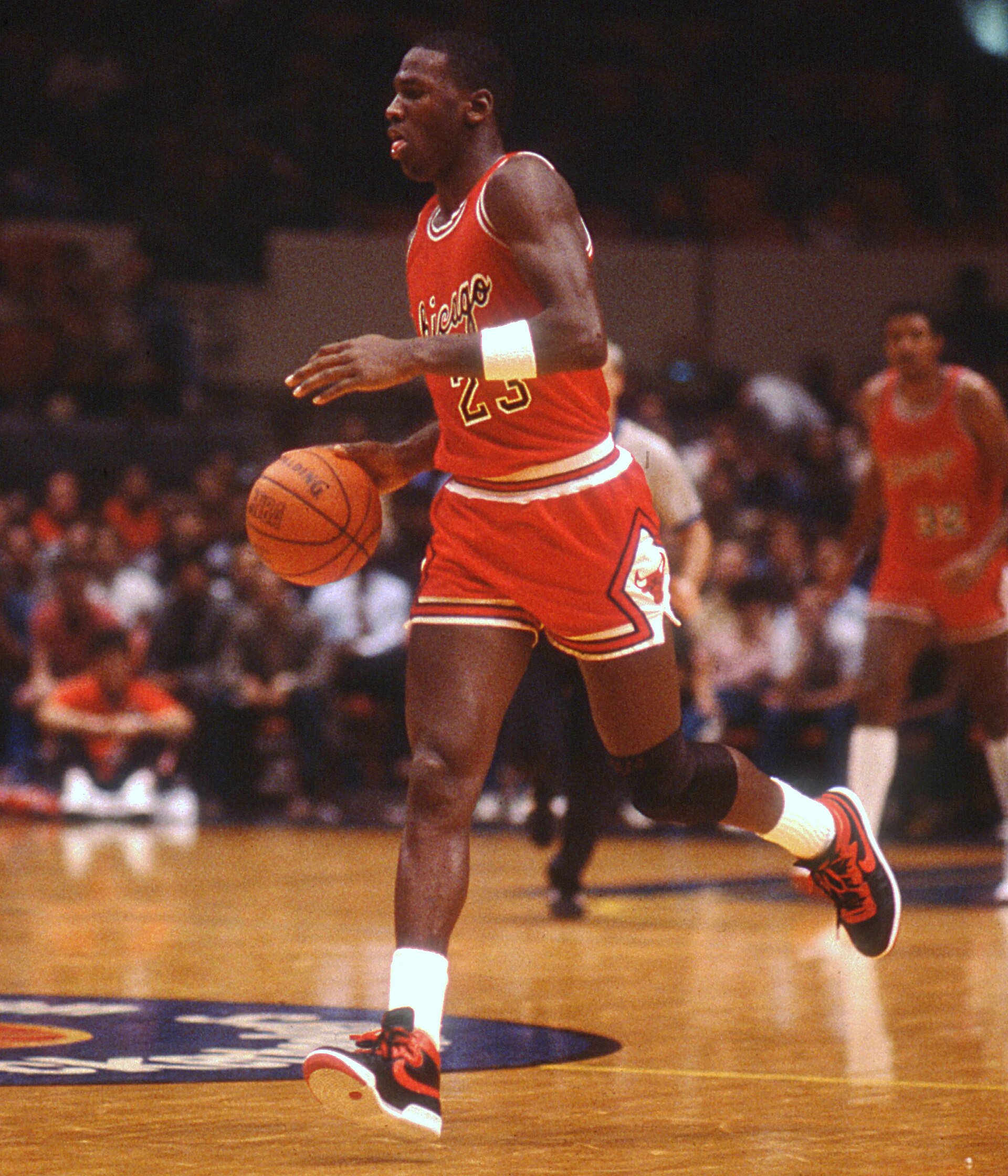
Answer-first summary
The best Michael Jordan choices for liquidity are usually recognizable graded cards with broad buyer demand, clear condition signals, reliable authentication, and enough completed sales to support realistic price comparisons.
What liquidity means for Michael Jordan collectors
Liquidity is not the same thing as popularity, rarity, or price. In Michael Jordan collecting, liquidity means a card can be understood, priced, compared, insured, traded, or resold with less friction than a thinly traded item. A liquid card has a visible buyer pool, recognizable identity, clear condition language, and enough sales history to make the market easier to read.
That matters because Jordan is a deep collecting category. There are famous benchmarks, common playing-era cards, premium 1990s releases, inserts, stickers, autographs, memorabilia, modern tribute pieces, and specialist early material. Some of these are liquid. Some are only liquid in certain grades. Some look scarce but have a narrow buyer base. Others are common but still useful because demand is broad and pricing is easy to benchmark.
Collectors often think about liquidity only when selling, but it affects buying too. A liquid Jordan card is easier to research before purchase. It is easier to compare across grades. It is easier to explain to another collector. It is easier to insure because there are references. It can also be easier to trade if collecting goals change.
This guide focuses on Michael Jordan choices that tend to offer better market clarity. It is not a prediction that any card will rise in value, and it is not financial advice. The goal is to help collectors choose Jordan cards with fewer pricing blind spots and more flexibility.
The liquidity framework
A liquid Jordan card usually has five traits.
First, it has recognition. Many collectors know the player, the card, the set, or the issue. Recognition reduces explanation risk because buyers do not need a long history lesson before understanding why the card matters.
Second, it has authentication confidence. The more famous the card, the more important this becomes. A card that buyers trust is easier to move than a card that requires debate.
Third, it has condition clarity. Graded cards often lead here because the holder creates a starting point for comparison. The grade does not replace visual review, but it gives the market a common language.
Fourth, it has transaction depth. One old sale is not enough. Liquid cards usually show repeated sales across time, grades, and marketplaces. Completed sales are more useful than ambitious asking prices.
Fifth, it has a broad buyer pool. A card can be scarce and still illiquid if only a few specialists care. A more available card can be liquid if many collectors search for it.
1. 1986-87 Fleer Michael Jordan #57
The 1986-87 Fleer Michael Jordan #57 is the clearest liquidity benchmark in the Jordan market. It is widely recognized, heavily researched, and central to basketball-card collecting. For liquidity-minded collectors, that broad recognition matters as much as the card's fame.
Many buyers know what the card is, why it matters, and how to compare examples. That shared language supports liquidity. Collectors can discuss grade, centering, print quality, eye appeal, authenticity, and recent sales without starting from zero. The card has enough visibility that price differences between grades can be studied with more confidence than many obscure Jordan issues.
The same visibility also raises the need for discipline. Counterfeits and altered examples exist. Raw copies require serious caution. Graded copies still need visual review because centering, print dots, color, registration, and overall eye appeal can differ within the same grade.
Why it can be liquid:
- broad recognition across the basketball-card market
- strong documentation and collector education
- repeated sales across multiple grade levels
- clear status as a central benchmark
What to watch:
- authentication risk with raw or questionable examples
- large price gaps between grades
- eye appeal differences inside the same grade
- emotional buying around famous-card status
For collectors who prioritize flexibility, the Fleer #57 is not automatically the right purchase, but it is the card every liquidity discussion should understand.
2. Recognizable graded playing-era Jordan cards
Graded cards from Jordan's playing era can be practical liquidity choices, especially when the issue is familiar and the grade is easy to compare. These cards often have a wider buyer base than obscure inserts or unusual memorabilia because collectors understand the connection to Jordan's active career.
This lane can include mainstream releases, respected brand issues, and cards with clear Chicago Bulls imagery. The strongest examples do not need a long explanation. A buyer can see the player, identify the era, read the grade, compare the condition, and review sales history.
The benefit is flexibility. A collector can choose a card that fits a lower or mid-range budget while still keeping the purchase researchable. There may be enough supply to compare different grades and enough demand to make resale less dependent on finding one very specific buyer.
The risk is assuming that every graded Jordan card is liquid. Some issues are common but not especially desired. Others have holder labels that look impressive while the card itself has limited demand. The best choices balance familiarity, condition, price, and sales frequency.
A useful test is whether the card can be explained in one sentence to a collector who does not already follow that exact issue. If the explanation is clear, the market is likely broader. If the explanation depends on tiny production details or a very specific nostalgia angle, liquidity may be more fragile.
Best fit: collectors who want a Jordan card that can be researched, compared, and moved with less specialist knowledge.
Main caution: do not confuse a slab with liquidity. The card still needs real demand.
3. Higher-grade examples of familiar cards
Liquidity often improves when a familiar Jordan card has a grade and eye appeal that collectors actively seek. A common card in ordinary condition may be easy to find but not especially compelling. A stronger example of that same card can attract more attention because buyers understand both the issue and the condition premium.
This is where grade spreads matter. A collector should compare how prices behave across several grades, not only the target grade. If the premium from one grade to the next is large, the card becomes more sensitive to eye appeal and market mood. If the spread is modest, the collector may have more room to prioritize the copy that looks best.
Eye appeal is especially important. Two cards in the same grade can have different centering, color, print quality, and overall presentation. A liquidity-minded buyer should ask whether the card would be easy to explain if compared with another copy in the same holder grade.
Best fit: collectors who want better quality without moving into more obscure material.
Main caution: make sure the condition premium is supported by completed sales, not just seller optimism.
4. Selected 1990s premium Jordan issues
Selected 1990s Jordan cards can be liquid when the set has a real collector following. This is an important distinction. The 1990s produced many visually appealing cards, but not every dramatic design has broad demand. The most liquid examples usually have recognizable set identity, strong Jordan imagery, and enough transaction history to compare.
Premium stock, foil, glossy surfaces, die-cuts, and insert formats can make these cards exciting. They can also make condition more complicated. Surface scratches, edge wear, foil problems, and print flaws may matter more than a casual buyer expects. That can narrow the buyer pool if the condition story is unclear.
Liquidity in this lane depends on specificity. A collector should know the set, the card's place in that set, the grade sensitivity, and how often comparable examples sell. If the only reason to buy is that the card looks impressive, more work is needed.
Best fit: collectors who want personality and are willing to study set identity before buying.
Main caution: a beautiful card can still be thinly traded.
5. The 1986-87 Fleer sticker as a related liquidity lane
The 1986-87 Fleer sticker can offer a related liquidity lane because it belongs to the famous Fleer environment and has recognizable Jordan appeal. It is not the same as the #57 card, and it should not be priced or evaluated as a simple substitute.
Sticker condition has its own issues. Centering, edges, surface, and presentation all matter. Buyers may compare the sticker to the main Fleer card emotionally, but the market still treats it as a distinct item. That means a collector should study sticker-specific sales and grade behavior.
The sticker can be attractive for collectors who want a recognizable Fleer-era Jordan item with broad hobby awareness. It can be less attractive if the buyer is only trying to find the cheapest way to say they own something from the famous year.
Best fit: collectors who understand the sticker's separate identity and want a recognizable related piece.
Main caution: use sticker-specific comparable sales.
6. Autographs only when authentication is market accepted
Jordan autographs can be desirable, but liquidity depends heavily on authentication and format. A signed card, photo, jersey, or memorabilia item can attract buyers if the proof is strong and the item is easy to present. Weak documentation can make the same category difficult to move.
For liquidity, authentication must be accepted by the likely buyer pool. A certificate that satisfies one seller may not satisfy future buyers. The item should have clear images, understandable provenance, and a format collectors know how to evaluate.
Autographs also have more personal taste involved than standard cards. Some buyers want signed cards only. Others prefer photos or display pieces. Some care strongly about inscription, placement, ink quality, or signing context. That can make the market less uniform.
Best fit: collectors who value display appeal and are disciplined about authentication.
Main caution: a famous signature with weak proof can be less liquid than a simpler graded card.
7. What is usually less liquid
Some Jordan items may be interesting but less liquid. This includes obscure oddball pieces, raw high-value cards, low-information autographs, modern tribute cards with limited established demand, and specialist material that only a small group follows.
Less liquid does not mean bad. A collector can absolutely enjoy a niche Jordan item. The issue is expectation. If flexibility matters, the buyer should not treat a niche item as if it will behave like a benchmark card.
Warning signs include:
- no clear recent comparable sales
- vague descriptions or weak photos
- seller emphasis on rarity without demand evidence
- unclear authentication
- condition problems that are difficult to price
- a buyer pool that requires specialist knowledge
If a card needs a long explanation before another collector understands why it matters, it may still be collectible, but it may not be the best liquidity choice.
Liquidity comparison table
| Choice | Liquidity strength | Best use | Main caution |
|---|---|---|---|
| 1986-87 Fleer #57 | Broad benchmark demand and deep sales history | Anchor liquidity reference | Authentication and grade sensitivity |
| Graded playing-era cards | Familiarity and researchable pricing | Flexible collecting across budgets | Not every slab has demand |
| Higher-grade familiar cards | Clear condition premium when supported by sales | Quality-focused collecting | Premiums can overheat |
| Selected 1990s premium cards | Strong identity when the set is followed | Personality plus liquidity | Condition and thin markets |
| 1986-87 Fleer sticker | Recognizable related Fleer lane | Alternative with its own identity | Do not price it like the #57 |
| Authenticated autographs | Display appeal with accepted proof | Personal centerpiece | Weak provenance hurts liquidity |
| Obscure oddball items | Specialist appeal | Niche collecting | Narrow buyer pool |
How to buy with liquidity in mind
Start with the buyer pool. Ask who would want the card besides you. If the answer is broad and obvious, liquidity may be stronger. If the answer depends on a small group of specialists, the card may still be good, but flexibility is lower.
Then check completed sales. Look for repeated transactions, not just one outlier. Compare the same card across grades and condition levels. Pay attention to whether clean examples sell differently from weak examples in the same grade.
Next, review authenticity and holder confidence. If the card is raw, ask why. If it is graded, evaluate the holder and the card. A recognized holder can support liquidity, but it does not erase eye appeal problems.
Finally, define the role. A liquidity choice should serve a purpose: anchor, tradeable card, learning piece, grade upgrade, or recognizable premium issue. The more clearly you can explain the role, the easier the purchase is to evaluate later.
For broader context, continue with the Michael Jordan complete collector guide, the safe buying guide for Michael Jordan, the complete card grading guide, and the safe buying guide for graded cards.
Common liquidity mistakes
The first mistake is treating rarity as liquidity. Scarcity can help only when enough buyers care.
The second mistake is relying on asking prices. A card can have many high asking prices and still few real transactions.
The third mistake is ignoring condition within the grade. Eye appeal can affect buyer confidence even when the label looks strong.
The fourth mistake is buying raw high-value Jordan cards without enough authentication comfort. The possible upside may be tempting, but uncertainty narrows the buyer pool.
The fifth mistake is choosing a card only because it is cheaper than the benchmark. Alternatives should have their own demand, not just a lower price.
Conclusion
The best Michael Jordan choices for liquidity are the cards and pieces that many collectors can recognize, verify, compare, and price. The 1986-87 Fleer #57 is the central benchmark, but liquid Jordan collecting can also include recognizable graded playing-era cards, stronger-grade familiar issues, selected 1990s premium cards, the Fleer sticker, and authenticated autographs with market-accepted proof.
Liquidity does not mean every purchase will be easy or profitable. It means the card has clearer market signals and a broader path to comparison. For collectors who value flexibility, that clarity is worth prioritizing. Buy the Jordan card that you can explain with evidence, not the one that only sounds rare in a listing title.