Answer-first summary
Michael Jordan is usually better for collectors who want the clearest basketball-card benchmark and are prepared for higher authentication, condition, and budget pressure. Kobe Bryant is often better for collectors who want more flexible entry points, more 1990s product variety, and a collection that can be built gradually.
The short answer
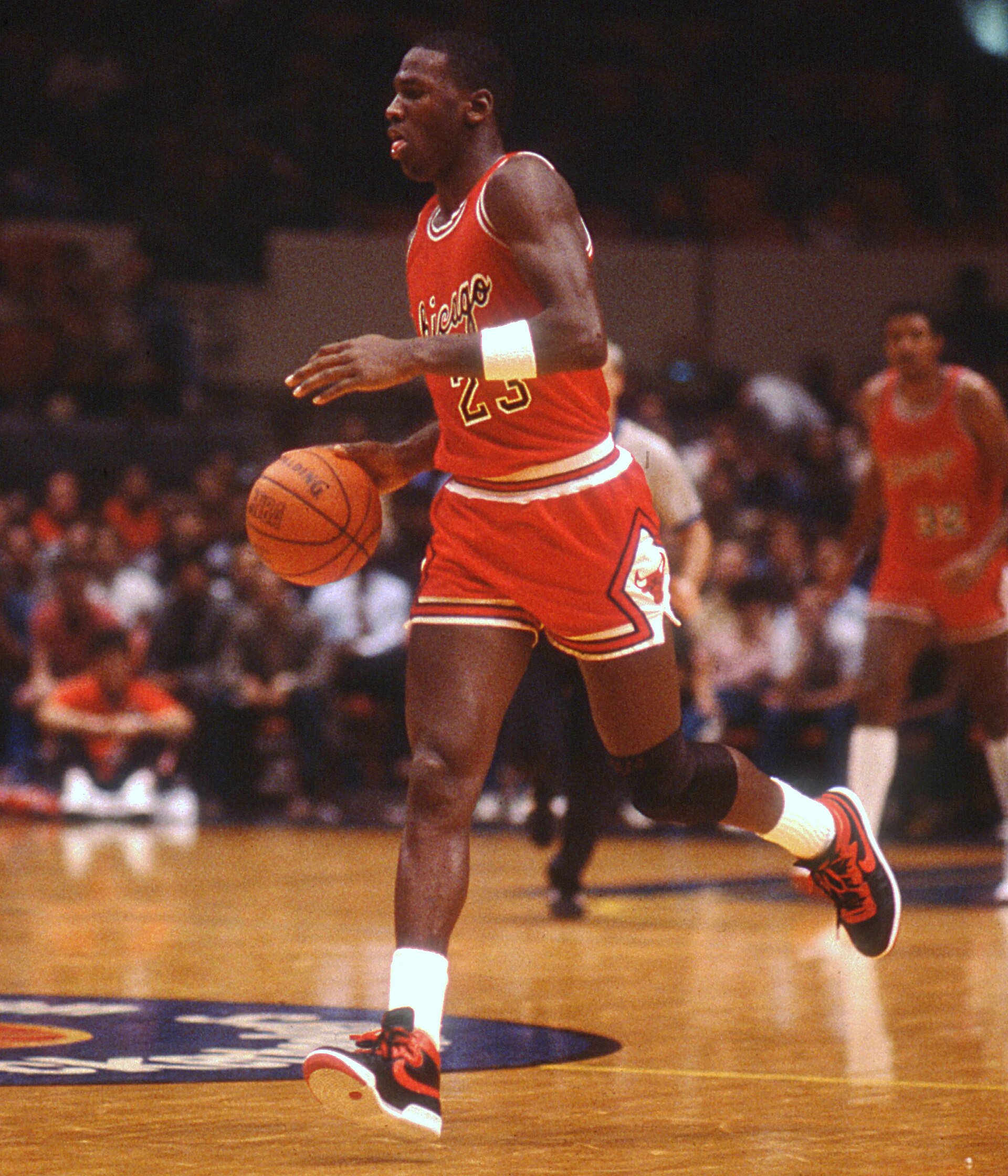
Michael Jordan is usually the better choice if the collector wants the clearest basketball-card benchmark. The 1986-87 Fleer Michael Jordan #57 carries a level of cross-hobby recognition that few modern sports cards can match. It is easy to explain, heavily researched, and central to how many collectors understand basketball-card history.
Kobe Bryant is often better if the collector wants more flexibility. Kobe has a major legacy market, but it is spread across more entry points: 1996 Topps, Topps Chrome, Bowman's Best, premium 1990s issues, Lakers-era cards, inserts, autographs, and graded mid-tier examples. That range lets a buyer build gradually instead of forcing one famous target.
The comparison should not become a universal winner-take-all answer. Jordan tends to win on benchmark power, simplicity of market story, and all-time recognition. Kobe tends to win on budget range, variety, and collection-building flexibility.
Choose Jordan if you want a basketball-card anchor that most collectors immediately understand and you can handle the authentication, condition, and price demands. Choose Kobe if you want a deep modern player market with more ways to match budget, taste, and learning stage.
Why this comparison is not only about greatness
Jordan and Kobe are often compared through basketball legacy, but collectors need a different lens. Card markets are shaped by product history, grading sensitivity, counterfeit risk, supply, nostalgia, and how easily other buyers can understand the exact item.
Jordan's card market is more concentrated around benchmark status. The Michael Jordan complete collector guide explains the broader category, but the core reality is simple: many collectors use Jordan as a reference point for modern basketball cards.
Kobe's market is more distributed. His legacy is enormous, but his card market gives collectors several legitimate routes. That can be helpful because the buyer is not forced into one flagship card. It can also be confusing because more options create more ways to buy randomly.
So the real question is not "Who was greater?" It is: which player gives this collector the cleaner purchase, in this exact budget, with this exact tolerance for risk?
What Michael Jordan does better
Jordan's strongest advantage is benchmark clarity. If a collector wants one player who summarizes basketball-card importance for a broad audience, Jordan is the cleaner answer. His famous cards are easier to explain to people outside the narrowest collecting circles.
The 1986-87 Fleer #57 is the center of that conversation. It is not the only Jordan card that matters, but it gives the market a clear anchor. Around it sit Star Co. debates, stickers, 1990s inserts, Upper Deck material, autographs, memorabilia, and modern tribute pieces. The map can become complex, but the center is obvious.
Jordan may be better for collectors who want:
- a clear all-time basketball-card benchmark
- stronger cross-category recognition
- a centerpiece-style collection
- easier explanation to future buyers
- a market with long memory and deep research
The trade-off is pressure. Famous Jordan cards attract scrutiny, counterfeits, ambitious asking prices, and sharp condition debates. A buyer cannot rely on the name alone. The more iconic the card, the more important authentication, grading, centering, edges, surface, and seller quality become.
That is why Jordan rewards patience. He is not automatically the safer choice just because the market is more famous. A strong Jordan card can be excellent. A compromised Jordan card bought too urgently can be a poor use of budget.
What Kobe Bryant does better
Kobe's strongest advantage is flexibility. A collector can enter the Kobe market through several legitimate lanes without treating one card as the only acceptable answer. That matters for newer collectors who are still learning condition, grading, set identity, and personal preference.
Kobe may be better for collectors who want:
- more entry points across different budgets
- 1990s rookie-card variety
- a player collection that can grow in stages
- more room for personal taste
- meaningful cards below the highest trophy tier
The 1996 Topps Kobe Bryant #138 is a useful mainstream reference, but it is not the whole market. Topps Chrome, Bowman's Best, E-X2000, Flair, inserts, refractors, and later Lakers imagery all create additional collecting lanes. A buyer can start simple and move deeper as knowledge improves.
The trade-off is focus. Kobe's variety can tempt collectors into scattered buying. A card should still have a clear role: starter rookie, graded anchor, favorite design, premium upgrade, or long-term centerpiece. Buying many affordable Kobe cards without a plan is not better than buying one overhyped Jordan card.
Rookie-card structure
The Jordan rookie conversation is concentrated. For most modern-card collectors, the 1986-87 Fleer Michael Jordan #57 is the main reference. PSA's CardFacts page documents it as part of the 1986 Fleer basketball set, and collectors treat it as the central Jordan card even while debates around earlier Star Co. material remain part of advanced hobby discussion.
That concentration helps. It gives buyers one obvious card to study. It also hurts. The obvious card is expensive, heavily watched, and risky to buy casually. Raw examples deserve extreme caution. Even graded copies require eye-appeal review.
The Kobe rookie conversation is broader. The 1996 Topps rookie is a mainstream anchor, but collectors also compare Topps Chrome, Bowman's Best, E-X2000, and other 1996-97 options. That makes Kobe easier to enter at several budgets, but it also requires more product knowledge.
Jordan is cleaner. Kobe is more flexible. That is the rookie-card trade-off in one line.
Condition and grading
Condition matters for both players, but it affects the decision differently.
Jordan's most famous card places heavy weight on authentication and condition. The 1986 Fleer design makes centering, edges, corners, print quality, and overall eye appeal important. Because the card is so famous, counterfeit and alteration concerns are part of the buying conversation. A collector should not treat a raw Jordan flagship as a casual purchase.
Kobe's condition risks vary by product. Paper rookies, chrome-style cards, glossy premium issues, and inserts each age differently. Surface flaws, greening concerns on certain chromium cards, chipping, centering, and print defects can matter depending on the product. A Kobe buyer needs card-specific knowledge.
The card grading complete collector guide is useful for both paths. The grade gives shared language, but it does not replace the card. Two copies in the same grade can differ in centering, print quality, surface, and overall appeal.
For Jordan, grading often protects against authenticity confusion. For Kobe, grading often helps compare across many product lanes. In both cases, the holder is a tool, not the whole decision.
Liquidity and price discovery
Jordan usually wins on broad recognizability. A major Jordan card is easier to explain, easier to search, and easier for many collectors to benchmark. That clarity supports liquidity, especially for the best-known cards.
Kobe also has strong liquidity, but it varies more by product. Mainstream rookie cards and recognizable graded copies are easier to compare than niche inserts or low-volume specialty pieces. The farther a Kobe card moves into specialist territory, the more careful the comp work needs to be.
Price discovery should be exact. Same player is not enough. Same card, same grade, similar grading company, similar eye appeal, and recent closed-sale context matter. This is especially important when comparing a lower-grade Jordan flagship against a cleaner Kobe card in a more affordable lane.
Liquidity is not only about selling. It also helps buying. A liquid market gives the buyer more evidence and fewer guesses.
Budget fit
Budget may decide the comparison before preference does. Jordan's flagship cards can quickly push collectors toward compromise: lower grade, weaker eye appeal, raw risk, or waiting. That does not make Jordan inaccessible, but it means the buyer must be honest.
Kobe gives more ways to avoid a forced purchase. A collector can buy a recognizable rookie, a graded mid-tier example, a favorite Lakers card, or a premium issue later. That makes Kobe attractive for gradual collection building.
But Kobe's flexibility is not permission to buy loosely. A cheaper card still needs a reason. A collector should not buy a Kobe card only because it avoids the price of Jordan. The card should stand on its own.
Jordan is better when the budget supports a clean, defensible copy of the desired card. Kobe is better when the budget would force too much compromise on Jordan but can buy a stronger Kobe example with clearer condition and better fit.
Emotional fit and collecting style
Jordan fits collectors who want concentration. A Jordan collection can be smaller, more deliberate, and built around cards with obvious historical weight. That appeals to people who want fewer decisions and more time spent researching each purchase.
Kobe fits collectors who want progression. A Kobe collection can begin with a mainstream rookie, move into graded upgrades, branch into Topps Chrome or Bowman's Best, and later include inserts or premium Lakers imagery. That appeals to people who enjoy building a player story over time.
Neither style is superior. The danger is choosing against your temperament. A collector who loves variety may find a single Jordan target too restrictive. A collector who wants one iconic anchor may find Kobe's many options distracting.
The best collection is the one you can keep disciplined while still enjoying.
Decision matrix
| Collector priority | Better fit | Why |
|---|---|---|
| Clearest all-time benchmark | Michael Jordan | The 1986-87 Fleer gives Jordan a central market anchor |
| More budget flexibility | Kobe Bryant | His market has more credible entry points |
| Simpler market story | Michael Jordan | Major Jordan cards need less explanation |
| Gradual player collection | Kobe Bryant | Multiple 1990s lanes can build over time |
| One-card centerpiece goal | Michael Jordan | Jordan is stronger for concentrated benchmark collecting |
| Design variety and personal taste | Kobe Bryant | More product types and eras can fit different collectors |
| Lower tolerance for complexity | Michael Jordan | The hierarchy is easier to map, though not always cheaper |
| Lower tolerance for price pressure | Kobe Bryant | A buyer can often find cleaner options without forcing the flagship |
This matrix is only a starting point. The exact card can overturn the general rule. A clean Kobe card with strong demand can be better than a weak Jordan copy. A carefully authenticated Jordan centerpiece can be better than a scattered Kobe collection.
Common mistakes
The first mistake is assuming Jordan always wins. Jordan often has the stronger benchmark, but a poor copy at the wrong price is still a poor decision.
The second mistake is assuming Kobe is the value alternative. Kobe cards have their own demand, product complexity, and condition risks. Flexibility is useful only when paired with discipline.
The third mistake is comparing player names instead of exact cards. Jordan versus Kobe is too broad. The real comparison might be a lower-grade 1986 Fleer Jordan versus a graded Topps Chrome Kobe, or a mainstream Jordan playing-era card versus a Kobe rookie.
The fourth mistake is ignoring safety. For Jordan-specific buying checks, use how to buy Michael Jordan safely. For grading and seller discipline, use how to buy card grading safely.
The fifth mistake is buying without a role. A card should be a centerpiece, learning card, upgrade target, personal favorite, or liquidity-focused holding. If the role is unclear, the purchase is usually early.
Final verdict
Michael Jordan is usually better for collectors who want the clearest basketball-card benchmark, a simpler market story, and the strongest all-time recognition. The cost is higher pressure around authenticity, condition, and price.
Kobe Bryant is usually better for collectors who want more entry points, more 1990s variety, and a collection that can develop in stages. The cost is more complexity and the risk of scattered buying.
The right answer depends on the exact card. Choose Jordan when the copy is clean, authenticated, fairly priced, and aligned with a benchmark goal. Choose Kobe when the available card is stronger for the money, easier to verify, and better suited to the collection you actually want to build.
Conclusion
The best collecting decisions usually come from structure rather than urgency. When you combine clear comparisons, strong context, and a disciplined buying framework, you give yourself a better chance to build a collection with both enjoyment and staying power.