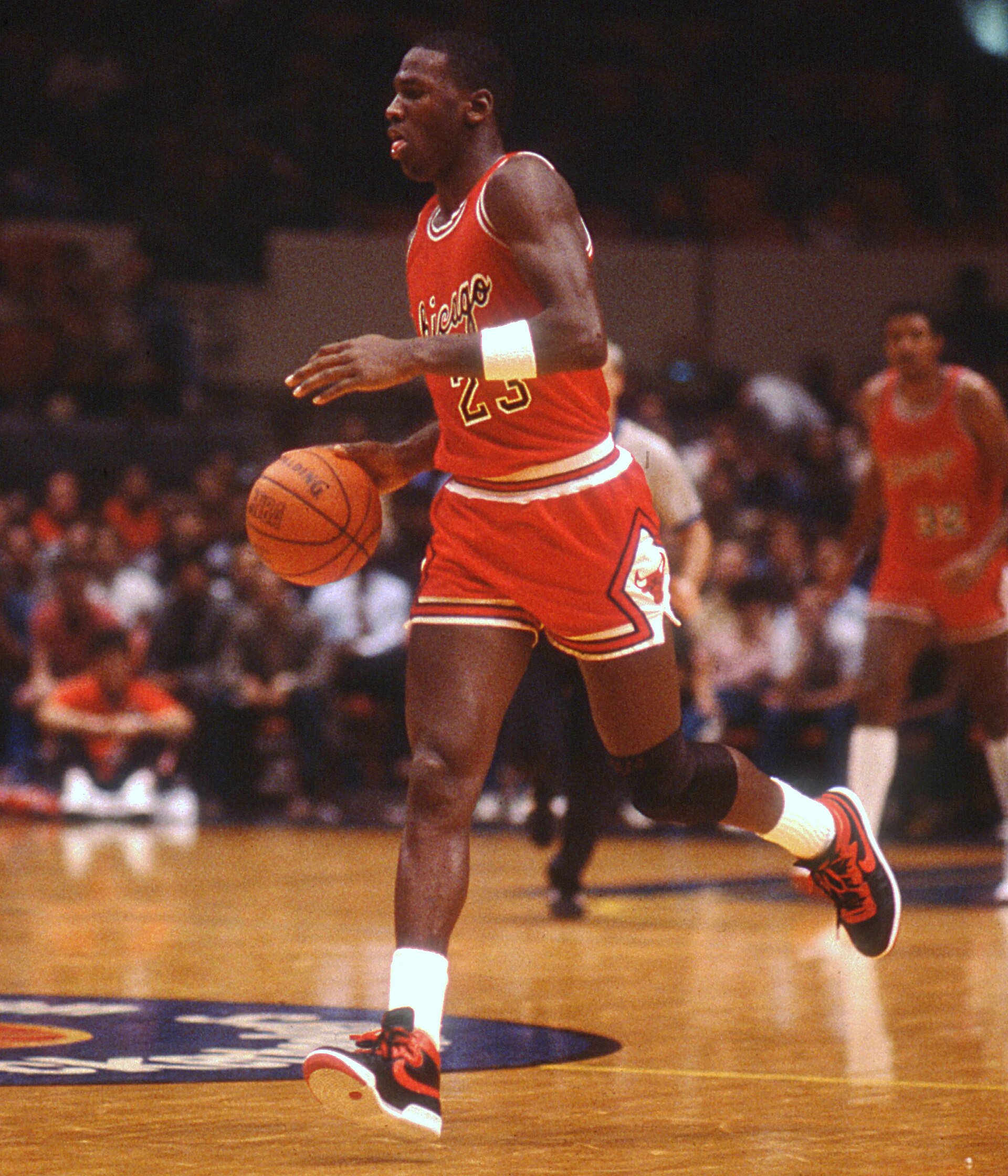
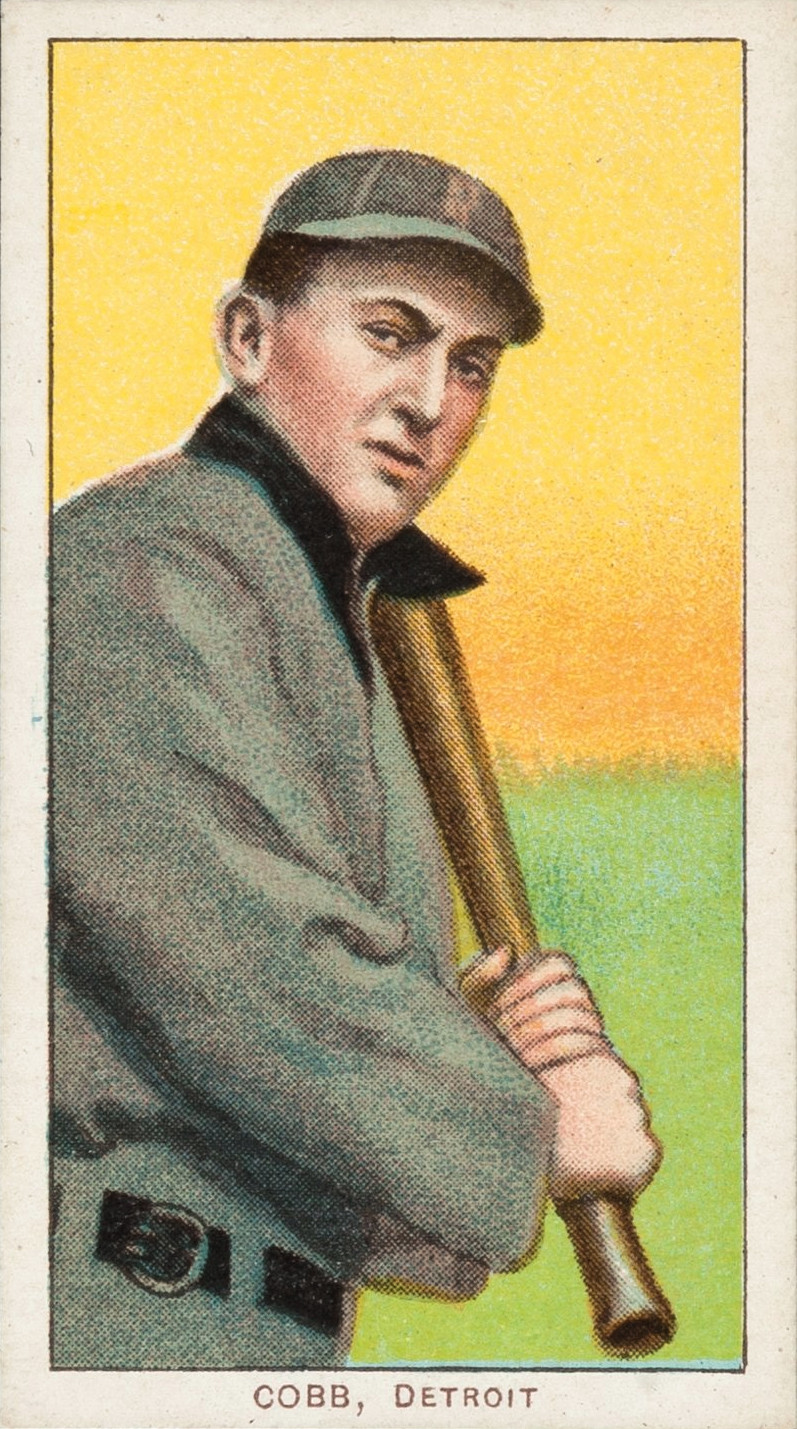
Answer-first summary
Michael Jordan is usually better for collectors who want the most mature basketball-card icon market, while LeBron James is usually better for collectors who want modern variety, active-era relevance, and more budget pathways.
Quick Verdict
Michael Jordan and LeBron James are both cornerstone basketball subjects, but they are not interchangeable collector choices. Jordan usually suits collectors who want the cleanest mature legacy market: a completed career, global recognition, and a card hierarchy that has been discussed for decades. LeBron usually suits collectors who want a broader modern map: 2003 rookies, chrome-style cards, parallels, autographs, later-career milestones, and an active historical debate that still shapes demand.
The better choice is not simply the player you rank higher. It is the card that gives you the clearest collecting reason at the price you are paying. A recognizable LeBron rookie with strong comps can be a better decision than a marginal Jordan card bought only for the name. A central Jordan card with durable demand can be stronger than a scarce-looking LeBron parallel that trades thinly.
For most collectors, the decision should start with role. If you want one basketball-card anchor that almost everyone understands immediately, Jordan may be the cleaner path. If you want more product variety and more ways to build gradually, LeBron may fit better. Then test the exact card against condition, price, liquidity, seller quality, and whether you would still respect the purchase if the market stayed flat for years.
Why This Comparison Needs a Collector Lens
Jordan versus LeBron is usually framed as a basketball argument. Collectors need a different lens. Card markets reward recognition, condition clarity, comparable sales, authenticity, and buyer depth. A player can be historically important and still appear on cards that are hard to price, hard to sell, or easy to overpay for.
Jordan's market is mature. The most important issues have long-standing hobby language, and collectors generally know which cards sit near the center of the market. That helps new buyers understand the hierarchy, but it also means obvious cards can be expensive.
LeBron's market is wider and more layered. His 2003 rookie class, premium modern products, serial-numbered cards, autographs, and later-career cards create many possible routes. That flexibility is useful, but it also creates more ways to confuse product decoration with lasting collector demand.
The practical question is not "Who is greater?" It is "Which exact card is more understandable, liquid, and fairly priced for my collection?"
Where Michael Jordan Usually Has the Edge
Jordan's biggest advantage is settled cultural weight. His career is complete, his place in basketball history is already established, and his strongest cards have been studied by multiple generations of collectors. That makes the core thesis easy to explain. You are not asking the market to discover Jordan. You are deciding which Jordan card deserves your money.
That maturity matters when the purchase is meant to anchor a collection. A central Jordan card can communicate basketball-card history in one object. It can also be easier to discuss with other collectors because the market already has shared language around famous issues, condition sensitivity, and grading premiums.
Jordan often fits collectors who want:
- a completed career narrative
- the most established basketball-card icon
- broad recognition beyond sports-card circles
- fewer active-career variables
- a clear hierarchy around the strongest cards
The risk is paying too much for a weak card. Jordan's name is powerful enough that sellers can attach ambitious prices to cards that do not have the same buyer depth as his most important issues. Collectors should avoid buying the name in isolation. The card still needs a reason: rookie status, set importance, visual appeal, grade, scarcity with demand, or a role that makes sense in the collection.
For deeper background on his market structure, use the Michael Jordan complete collector guide.
Where LeBron James Usually Has the Edge
LeBron's biggest advantage is flexibility. His market gives collectors more modern entry points and more ways to match a purchase to a budget. A collector can focus on 2003 rookies, chrome-style issues, flagship cards, premium parallels, autographs, inserts, team-era cards, or milestone-related later cards.
That breadth can be helpful for buyers who do not want the all-or-nothing pressure of chasing only the most obvious Jordan cards. LeBron gives collectors room to build in layers. A buyer can start with a recognizable graded card, study product hierarchy, and later decide whether a stronger rookie, autograph, or premium parallel deserves more attention.
LeBron often fits collectors who want:
- more modern-card variety
- a wider spread of price points
- active historical relevance
- more product-specific research opportunities
- multiple ways to build a collection gradually
The risk is complexity. A low serial number, shiny finish, autograph, or premium brand name does not automatically create deep demand. LeBron collectors have to ask whether the exact card is important within his market, not just rare within its checklist.
Liquidity and Buyer Depth
Liquidity should come before personal allegiance. A card is easier to own when other collectors can identify it quickly, compare it against recent sales, and understand why the grade matters. Both Jordan and LeBron have strong buyer bases, but liquidity is concentrated in different ways.
Jordan liquidity is often strongest around the cards the hobby already recognizes. Famous rookies, important inserts, and high-grade examples can have deep demand because the market has had decades to organize around them. That does not make every Jordan card liquid. It means the strongest Jordan lanes are unusually easy to explain.
LeBron liquidity is broader but more segmented. Some 2003 rookies and premium cards trade often enough to benchmark with confidence. Other cards look special but have fewer clean comps. The collector has to know whether the exact issue attracts repeat buyers or whether it only looks important because the design is flashy or the serial number is low.
The safest comparison is card against card. If the LeBron card has recent sales, strong photos, and a clear product role, it can beat a Jordan card with thin demand. If the Jordan card is central and the LeBron card is obscure, Jordan may be the stronger choice even if LeBron offers more modern variety.
Condition and Grading
Condition can change the entire comparison. Jordan cards from older eras can be sensitive to centering, edges, corners, print quality, and surface wear. High-grade copies of important cards can command major premiums because collectors understand how difficult strong examples can be.
LeBron cards can be just as condition-sensitive in different ways. Early-2000s chrome-style surfaces, centering, print lines, corners, and holder preference can all matter. Modern-card buyers may also pay attention to population reports, subgrades, autograph quality, and whether the card presents well inside the holder.
The grading question should start with the issue, not the player. Does the market reward the grade? Are strong copies genuinely hard to find? Is the holder accepted by the buyer pool for that card? Are the photos good enough to evaluate the copy, or are you trusting the label too much?
The card grading complete collector guide is useful when the decision depends heavily on holder, grade, and condition premium. For transaction habits, how to buy card grading safely gives a practical checklist.
Budget Fit
Jordan can be harder for collectors who want the most obvious cards at a modest budget. The cleanest legacy anchors often carry strong premiums. That can push buyers toward lower-demand cards that feature Jordan but do not carry the same market depth.
LeBron often gives collectors more budget flexibility. His market has more modern products, more graded population, and more card types. That can make it easier to find a card with a clear role at a chosen price level. It can also tempt collectors into buying too many secondary cards instead of one stronger card.
A useful rule is to avoid buying the cheapest way to own either player unless the card itself has a clear reason to be in the collection. Cheap exposure is not the same as a good collector decision. The card should make sense because of recognition, condition, product importance, visual appeal, liquidity, or personal fit.
Buying Safety
Both players attract weak listings because both names are famous. Jordan buyers need to watch for counterfeits, altered raw copies, overgraded examples, poor photos, and prices that lean too heavily on the player's fame. LeBron buyers need to watch for confusing parallel names, misleading serial-number emphasis, unclear autograph language, and product lines that sound premium without deep demand.
The buying process should be methodical. Confirm the year, set, card number, parallel, grade, certification number, seller history, return policy, and recent sales before deciding. If the card is raw, assume more uncertainty. If it is graded, still inspect the card inside the holder.
For Jordan-specific transaction habits, start with how to buy Michael Jordan safely. The same discipline applies to LeBron: identify the exact card, verify the seller, compare recent closed sales, and avoid listings where the story has to do too much work.
Which Is Better for Beginners?
Beginners should choose the clearer card. That may sound simple, but it prevents many mistakes. A first collector purchase should be easy to identify, easy to compare, and easy to explain. It should not require a complicated argument about scarcity, population, or future demand.
Jordan can be beginner-friendly when the card is recognizable and the price is realistic. LeBron can be beginner-friendly when the product is understood and the comps are clean. In both markets, beginners should be careful with obscure inserts, raw cards with weak photos, and cards whose main appeal is that they are less expensive than the famous alternatives.
The first decision is not a lifetime commitment. A collector can start with one clear card, learn how the market behaves, and adjust over time. Discipline is more valuable than choosing the "right" player on the first try.
Which Is Better for Advanced Collectors?
Advanced collectors can make strong arguments for both. Jordan can serve as a concentrated legacy anchor, especially when the card is historically central and condition is strong. LeBron can serve as a layered modern build, especially when the collector understands product hierarchy and buyer depth.
Advanced buyers should also think about exit path. A major Jordan card may have a wider audience but a higher entry price. A specialized LeBron card may be more distinctive but may need a more specific buyer. Neither structure is wrong if the collector understands it before buying.
The more advanced the purchase, the more important it is to separate thesis from evidence. The thesis may be "Jordan is the ultimate basketball icon" or "LeBron's modern-card market has more room to study." The evidence still has to be card-level: sales, condition, scarcity with demand, and realistic buyer depth.
Practical Decision Framework
Choose Jordan if you want the most mature basketball-card legacy market, a completed icon story, and cards that many collectors understand immediately. Choose LeBron if you want modern variety, active-era relevance, and more ways to match a card to a specific budget.
Then ask five card-level questions:
- Can most basketball-card collectors identify the card quickly?
- Are there enough recent sales to understand the price?
- Does condition or grade meaningfully affect demand?
- Is the card important within that player's market?
- Would you still respect the purchase if prices stayed flat for years?
That last question is important. A strong collection should not depend entirely on price movement. The card should make sense as an object, not only as a hoped-for outcome.
Final Verdict
Michael Jordan is usually better for collectors who want the most established basketball-card icon market, a completed legacy story, and the clearest cultural recognition. LeBron James is usually better for collectors who want modern-card variety, active historical relevance, and more flexible entry points.
The strongest answer is still card-specific. A great Jordan card beats a weak LeBron card. A great LeBron card beats a weak Jordan card. The collector's edge is staying disciplined enough to evaluate the exact card, not just the name on the front.
Conclusion
The best collecting decisions usually come from structure rather than urgency. When you combine clear comparisons, strong context, and a disciplined buying framework, you give yourself a better chance to build a collection with both enjoyment and staying power.