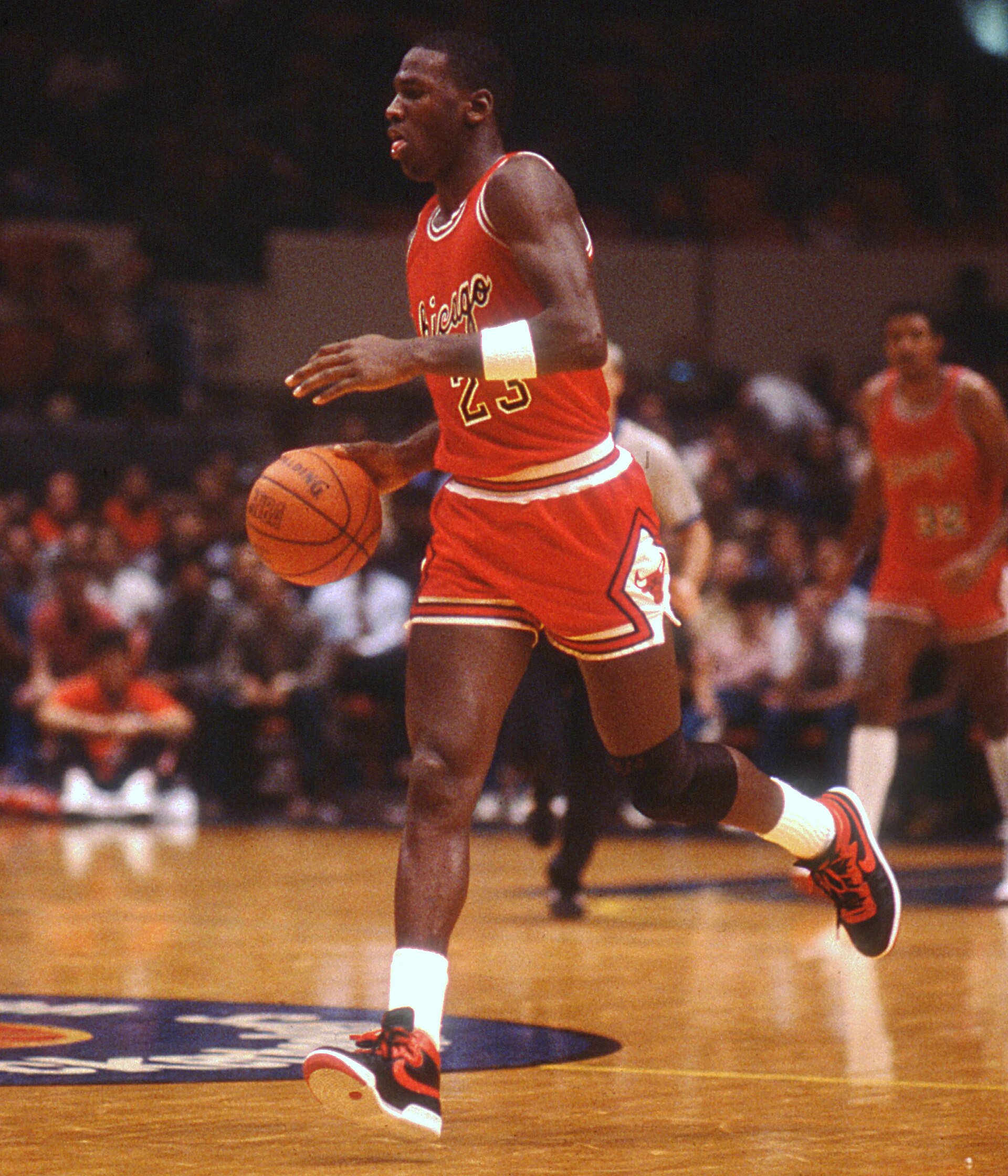
Answer-first summary
Michael Jordan is usually the better collecting frame for broad benchmark status, while Upper Deck is best treated as a specialized Jordan lane that can be excellent when the exact card has strong design, condition, liquidity, and brand-specific demand.
The Short Answer
Michael Jordan is usually the better choice if the collector wants the broadest basketball-card benchmark. Jordan is the subject. Upper Deck is one important lane inside that subject. That distinction matters because a collector can buy a Michael Jordan card from many brands, years, and formats, while an Upper Deck Jordan card is a more focused choice tied to a specific brand identity.
Upper Deck can still be an excellent choice. Many collectors associate Upper Deck with strong photography, premium presentation, 1990s hobby nostalgia, inserts, autographs, memorabilia cards, and later Jordan storytelling. A well-chosen Upper Deck Jordan issue can feel more distinctive than a basic card from a less memorable release.
The practical answer is not "Jordan or Upper Deck" as if they are equal categories. It is "Should this collector buy Jordan broadly, or should this collector focus on the Upper Deck part of the Jordan market?" Beginners usually do better by learning the broader Jordan market first. More focused collectors can use Upper Deck as a brand lane once they understand condition, issue identity, liquidity, and price evidence.
Why This Comparison Is Tricky
Michael Jordan is a player market. Upper Deck is a card brand. Comparing them directly can blur the decision. Jordan cards exist across many products, from famous benchmark issues to everyday playing-era cards, premium 1990s releases, stickers, inserts, autographs, memorabilia cards, and modern tribute pieces. Upper Deck is one of the brands that helped shape the later part of that map.
That means Upper Deck should not be treated as automatically better or worse than "Michael Jordan." A collector is usually comparing a broad player thesis against a narrower product thesis. The broad thesis says: Jordan matters so much that the best card is the one with the clearest market role. The Upper Deck thesis says: within Jordan collecting, certain Upper Deck issues offer photography, design, brand history, or premium features that make them especially appealing.
Both can be true. A collector might start with a straightforward Jordan card that is easy to benchmark, then later add a selected Upper Deck card for personality. Another collector might already understand the Jordan market and choose Upper Deck because the exact issue fits their taste and budget better than the obvious benchmark cards.
For the broader map, the Michael Jordan complete collector guide is the better starting point.
Where Michael Jordan Usually Has the Edge
Jordan's biggest advantage is universal recognition. When collectors talk about basketball-card anchors, Jordan is one of the easiest names to explain. His appeal is not limited to one manufacturer, one set, or one design era. That gives collectors more flexibility and usually a broader future buyer pool.
A Jordan-first approach also helps beginners avoid getting trapped by brand complexity too early. Before deciding whether Upper Deck is the right lane, a buyer should understand why Jordan cards are collected in the first place: legacy, playing-era demand, condition sensitivity, iconic imagery, famous issues, and the way different card types fit different budgets.
Jordan is usually the better frame when a collector wants:
- the broadest basketball-card benchmark
- a card that many collectors can understand quickly
- more freedom across brands and years
- a simpler first buying framework
- a collection anchor rather than a brand theme
The trade-off is that broad recognition can make obvious Jordan cards expensive. It can also tempt buyers into weak cards simply because the name is powerful. A random Jordan card is not automatically a strong purchase. The card still needs an identifiable role, clean condition, reasonable price evidence, and enough buyer demand.
Where Upper Deck Usually Has the Edge
Upper Deck's advantage is focus. Instead of trying to own Jordan in the abstract, a collector can build around a brand lane with a recognizable personality. Upper Deck is often associated with premium presentation, strong photography, memorable 1990s design, authenticated autograph and memorabilia concepts, and a more curated feeling than many basic releases.
That can matter for collectors who already know they want personality, not just exposure. A selected Upper Deck Jordan card may have stronger visual appeal than a generic Jordan base card. It may also connect to a specific period of hobby history, especially when the card comes from a set or insert line that collectors still discuss.
Upper Deck can be the better lane when a collector wants:
- a focused Jordan subcollection
- strong photography or premium design
- 1990s hobby identity
- autograph or memorabilia-card context
- a card that feels more distinctive than a basic issue
The risk is overvaluing the brand without checking the exact card. Not every Upper Deck Jordan card has the same demand. Some are widely understood. Others are attractive but thinner. A collector still needs to ask whether the specific issue has recent sales, condition-sensitive demand, and enough recognition beyond brand nostalgia.
Liquidity and Buyer Depth
Liquidity favors clarity. A broad Jordan card with easy comps may be more liquid than a specialized Upper Deck issue. That does not mean the broad card is more interesting. It means more buyers can quickly understand what it is, what grade means, and how to compare the price.
Upper Deck liquidity varies by issue. Some Jordan cards from Upper Deck are recognizable enough to attract steady interest. Others require more set knowledge. That can be fine for a collector who enjoys research, but it adds responsibility. The thinner the market, the more careful the buyer must be with price, condition, and exit expectations.
The clean comparison is not brand against player. It is exact card against exact card. A memorable Upper Deck Jordan card with recent sales and strong presentation can be a better choice than a low-demand Jordan card from another brand. A simple, widely understood Jordan card can be better than a visually impressive Upper Deck card that few buyers can price confidently.
Condition and Grading
Condition matters in both lanes. Jordan cards from earlier and playing-era releases can be sensitive to centering, edges, corners, surfaces, print defects, and overall eye appeal. Upper Deck cards can add their own condition questions depending on stock, foil, inserts, surface sensitivity, and how well the card presents in the holder.
Grading can help, but it should not replace inspection. A holder gives a common market language, yet two cards with the same grade can still look different. One may have stronger eye appeal, cleaner centering, or better surface presentation. Another may technically fit the grade but feel weaker to future buyers.
Collectors comparing Jordan broadly with Upper Deck specifically should ask:
- Does the market care about the grade on this exact issue?
- Are recent sales available in the same holder and grade?
- Is the card visually strong for the assigned grade?
- Does the issue have known condition problems?
- Would buyers understand the card without a long explanation?
The card grading complete collector guide can help with the holder and condition side of the decision.
Budget Fit
Budget often determines which lane feels sensible. A collector with a modest budget may not be able to reach Jordan's most famous cards in strong condition. That can make Upper Deck and other 1990s or playing-era issues attractive because they may offer more visual personality and a clearer collection theme without forcing the buyer into the top benchmark tier.
At the same time, a lower-cost Upper Deck card should not be bought only because famous Jordan cards are expensive. It should have its own reason. Maybe the photography is strong. Maybe the set is recognizable. Maybe the grade is clean and recent sales are understandable. Maybe it fits a larger Upper Deck or 1990s Jordan collection.
A bigger budget does not remove the need for discipline. Higher-end Upper Deck Jordan cards, especially autographs, premium inserts, and memorabilia-related issues, can be exciting but require sharper authentication and pricing work. The more specialized the card, the more important it becomes to understand the buyer pool before paying a premium.
Buying Safety
Jordan cards attract weak listings because the name is famous. Upper Deck cards can add another layer of detail because collectors may need to identify the exact set, insert, parallel, autograph format, memorabilia language, or condition-sensitive feature. The safer process is slow and specific.
Before buying, confirm the year, set, card number, variation, grade, certification number, seller history, return policy, and recent closed sales. If the card is raw, inspect photos carefully and leave room for uncertainty. If it is graded, compare the card inside the holder rather than trusting the label alone.
For Jordan-specific transaction habits, use how to buy Michael Jordan safely. If grading is central to the purchase, how to buy card grading safely gives a useful checklist for holder review, seller checks, and price comparison.
Best Choice for Beginners
Beginners should usually start with Michael Jordan as the broader category. That does not mean buying the most expensive Jordan card. It means learning how the Jordan market works before narrowing into a brand lane. A beginner should understand the difference between famous benchmarks, accessible playing-era cards, inserts, modern tribute cards, and premium issues.
Once that structure makes sense, Upper Deck becomes easier to evaluate. A beginner can ask whether an Upper Deck card is appealing because it is truly recognized, visually strong, and reasonably priced, or merely because it feels more interesting than a basic card.
The best beginner purchase is usually the card that can be identified and compared without strain. If that card is Upper Deck, fine. If it is another Jordan issue with cleaner comps, that may be better.
Best Choice for Focused Collectors
Focused collectors may prefer Upper Deck because it gives the collection a clearer personality. A Jordan collection built around Upper Deck photography, inserts, autographs, or premium 1990s design can feel more intentional than a scattered group of unrelated cards.
That kind of focus works best when the collector defines the lane. Is the goal playing-era Upper Deck cards? Premium inserts? Autographs? Graded examples with strong eye appeal? A full brand run? Without a defined lane, Upper Deck can become just another broad shopping filter.
Focused collecting is strongest when every card supports the theme. A less expensive Upper Deck card can be satisfying if it fits the lane. A more expensive card can still be a poor fit if it only adds price, not meaning.
Practical Decision Framework
Choose Michael Jordan broadly if you want the clearest basketball-card benchmark, the widest buyer recognition, and freedom to compare cards across brands and eras. Choose Upper Deck if you already want a more focused Jordan lane built around brand identity, photography, premium presentation, or a specific 1990s collecting style.
Then test the exact card:
- Can another informed collector identify it quickly?
- Are there enough recent sales to judge price?
- Does condition or grade matter in a way buyers understand?
- Is the Upper Deck identity adding real appeal, or just a label?
- Does the card fit your collection better than a simpler Jordan alternative?
That last question keeps the comparison honest. Upper Deck can be a great lane, but the brand should add a reason. If it does not, the broader Jordan market may offer a cleaner choice.
Final Verdict
Michael Jordan is usually better for collectors who want the broadest and most recognizable basketball-card benchmark. Upper Deck is usually better for collectors who already want a focused Jordan lane with brand identity, strong presentation, and 1990s or premium-card personality.
The best answer is still card-specific. A strong Upper Deck Jordan card can beat a generic Jordan card. A clear, liquid Jordan card can beat an obscure Upper Deck issue. Start with the role, verify the exact card, and let condition, comps, and collection fit decide the winner.
Conclusion
The best collecting decisions usually come from structure rather than urgency. When you combine clear comparisons, strong context, and a disciplined buying framework, you give yourself a better chance to build a collection with both enjoyment and staying power.