Answer-first summary
LeBron James cards are strongest when player recognition is matched by card-level evidence: meaningful issue, clean condition, grading context, liquidity, realistic comps, and a clear collection role.
Why LeBron James is a core basketball collecting category
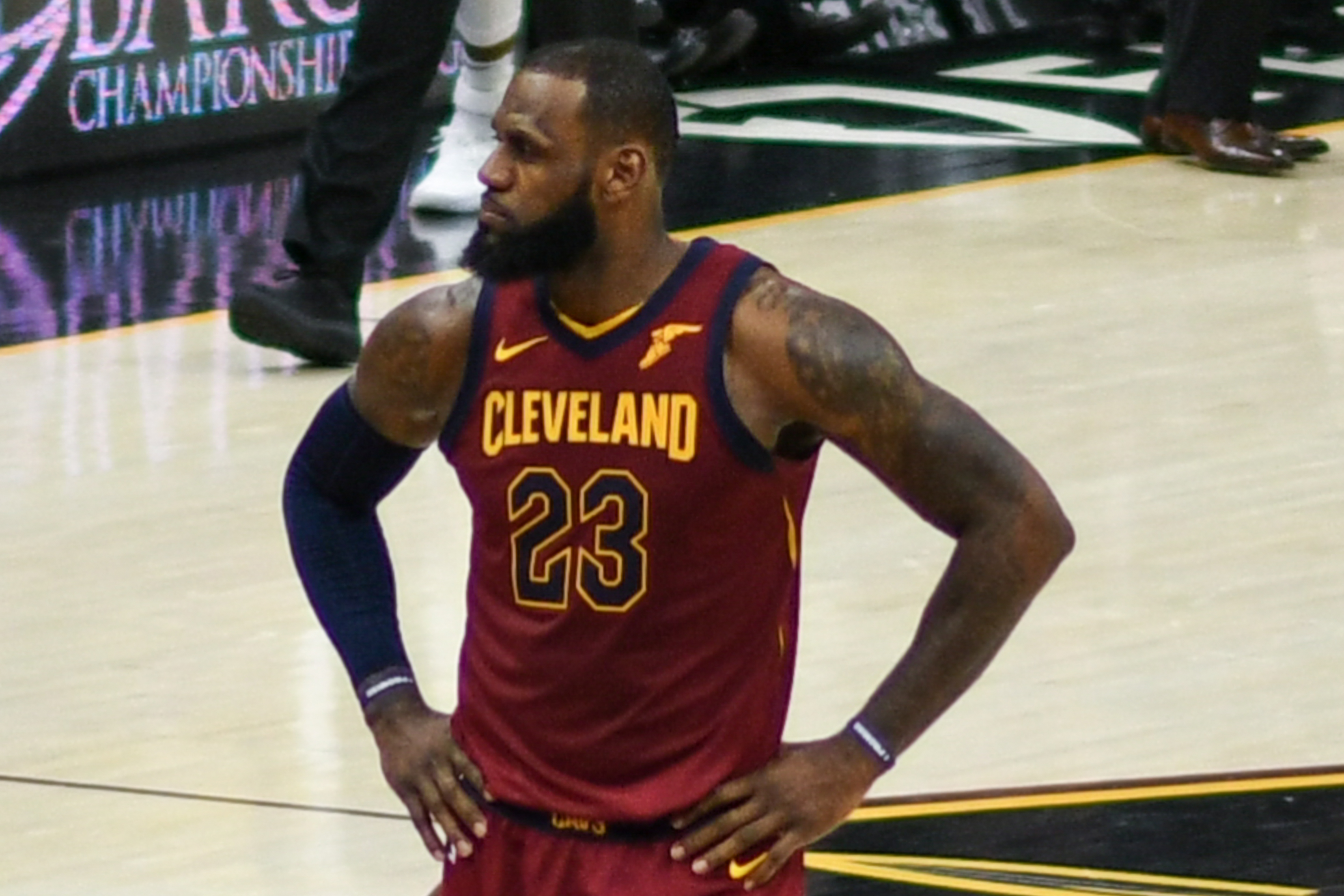
LeBron James is one of the clearest modern basketball collecting categories because his market combines career achievement, cultural recognition, rookie-card demand, and a long public record of collector interest. He is not a short-term prospect or a narrow hobby story. He is a player whose cards are studied by beginners, advanced basketball collectors, graded-card buyers, and collectors who compare modern legends across eras.
That breadth gives the LeBron market real depth, but it can also make the category noisy. Many cards carry the LeBron name. Only some have the recognition, liquidity, condition sensitivity, and comparable-sales history that make them easy to evaluate. A strong LeBron decision starts by separating the player from the exact card.
The core answer is simple: LeBron James cards are easiest to evaluate when collectors focus on card identity, condition, grading context, authenticity, and realistic demand. The name creates attention. The specific issue, grade, copy quality, and price determine whether that attention is useful.
What collectors should evaluate first
Collectors should begin with recognition. Can the broader market understand the card quickly? Is it tied to a meaningful release, rookie year, premium brand, or widely collected segment? Recognition matters because it affects how easily buyers can research, compare, and eventually resell the card.
The second filter is liquidity. A liquid LeBron card has enough sales history to support a believable price range. That does not mean every sale will be identical, but it does mean the collector is not relying on one isolated result or a seller's story. Liquidity makes it easier to judge whether the current price is fair.
The third filter is condition. LeBron's most watched cards often trade in highly graded markets where centering, surface, corners, edges, and eye appeal can change demand. A slab can help buyers compare, but the card inside the holder still matters. Two cards with the same grade can look and feel different.
The fourth filter is role. Is the card meant to be a collection cornerstone, a lower-cost entry point, a visual favorite, a graded benchmark, or a speculative side lane? A collector who knows the role can set a better buying standard.
Why the 2003 rookie class matters
LeBron's 2003 rookie class is central to his collecting market because it gives the category a clear starting point. Collectors understand why rookie cards matter: they connect the player to the beginning of a professional career and usually become the first place buyers look when they want a foundation card.
Within that rookie-card conversation, Topps Chrome has special weight. It is widely recognized, condition-sensitive, and easy for collectors to compare across grades. That does not make every Topps Chrome LeBron copy a good buy at any price, but it explains why the card acts as a reference point for the broader market.
The PSA CardFacts page for 2003 Topps Chrome LeBron James is useful because it shows how much grading, population context, and realized prices matter when collectors analyze a famous modern rookie. The lesson is broader than one card. Major LeBron cards are not valued only because the player is famous. They are valued through a mix of card identity, condition, demand, and transaction history.
How condition and grading shape LeBron cards
Condition is one of the strongest forces in LeBron collecting. Modern basketball cards can be unforgiving: surfaces can show scratches, corners can soften, centering can vary, and chromium cards can reveal print lines or refractor issues. Small flaws may not matter much to a casual owner, but they can matter a lot when buyers compare graded copies.
Grading helps by creating a shared language. A PSA, BGS, SGC, or other recognized holder can reduce uncertainty, especially for online transactions. It can also make comparable sales easier to interpret. Yet grading does not remove judgment. A grade is an opinion within a framework, not a guarantee that every copy at that grade deserves the same price.
Collectors should look carefully at the premium between grades. Sometimes the jump from one grade to another is supported by demand and population context. Sometimes it reflects temporary excitement or a thin set of recent sales. The card grading complete collector guide is a useful companion because LeBron cards often show both the value and the limits of grading.
Raw cards require a different kind of discipline. A raw LeBron card can be appealing when the price reflects uncertainty and the photos are strong. But raw buying also carries risks: hidden surface problems, trimming concerns, altered cards, poor seller images, and unrealistic grading expectations. The buyer should price those risks instead of assuming the best-case outcome.
Demand drivers beyond the player name
LeBron demand starts with the player, but it does not end there. His long career, championships, records, longevity, and place in basketball debate all support broad collector interest. That gives his market a strong base of attention. Still, the strongest cards usually have additional demand drivers.
Card identity is one. A card from a well-known release with a clear place in the hobby is easier to understand than a card that requires a long explanation. Visual appeal is another. Some cards become more memorable because the design, photo, or finish gives the card a strong ownership experience.
Scarcity can matter, but only when it connects to buyer depth. A low-numbered parallel may be exciting, yet if the market is thin, pricing can be difficult. Scarcity is more powerful when the card is already recognized and when enough collectors care about the specific issue.
Documentation also matters. A clear purchase record, strong listing images, grading certification, and saved comparable sales can make ownership easier to explain later. In a category as emotional as LeBron collecting, documentation helps keep the decision grounded.
Comparing LeBron with Kobe and Jordan
Collectors often compare LeBron James with Kobe Bryant and Michael Jordan because all three names sit near the center of basketball collecting. The comparison can be useful, but only if it is used carefully. The goal is not to declare one universal winner. The goal is to understand how different buyer bases behave.
Jordan's market often represents cultural permanence and vintage-modern bridge demand. Kobe's market brings emotional legacy, 1990s card appeal, and deep Lakers-era nostalgia. LeBron's market is different because his career spans a long modern-card era with many releases, parallels, autographs, and graded-card data points.
That breadth is both a strength and a challenge. LeBron collectors have many options, but more options mean more ways to overpay. A disciplined collector compares exact cards, not only legacies. The better question is not whether LeBron is more collectible than another legend. It is whether the specific card in front of you has the recognition, condition, liquidity, and price to justify its role.
Where beginners usually go wrong
Beginners often make the mistake of assuming every LeBron card benefits equally from his career. The player is important, but the market still sorts cards by issue, condition, grade, scarcity, and demand. A weak card does not become strong simply because the player is historic.
Another mistake is buying a label without studying the card. A high grade can be meaningful, but eye appeal still matters. Centering, surface quality, and the overall look of the copy can affect buyer preference even within the same grade.
Collectors also overpay when they rely on asking prices instead of completed sales. Sellers can ask any number. Completed sales show where money actually changed hands. The best decisions usually come from a group of relevant sales rather than one dramatic result.
Finally, newer collectors sometimes buy too many marginal cards instead of one card with a clearer role. A focused collection usually teaches more than a scattered group of cards bought only because they were affordable.
A practical buying framework
Before buying a LeBron card, ask five questions:
- Does the card have clear market recognition?
- Are there enough recent comparable sales to build a realistic range?
- Does the condition or grade justify the price?
- Is the card liquid enough for the role it will play?
- Would the purchase still make sense if market attention cooled?
Those questions are intentionally practical. They do not remove emotion from collecting. They keep emotion from doing all the work. A collector can love LeBron's career and still demand a sensible entry point.
Buying safety also matters. Check seller history, photos, certification numbers, return policies, shipping protection, and whether the listing describes the exact card honestly. The LeBron buying safety guide goes deeper on the purchase checklist, while the safe card grading buying guide is especially useful when the purchase depends on the slab, the certification, or the premium attached to the grade.
How to build a stronger LeBron collection over time
A stronger LeBron collection usually starts with purpose. Some collectors want one clear rookie-card anchor. Some want a broader timeline of teams and eras. Some prefer graded examples. Others care more about visual cards, inserts, autographs, or lower-cost pieces that still feel connected to the player.
None of those approaches is automatically wrong. The key is consistency. If the collection is built around recognized cards, do not drift into obscure issues without a reason. If it is built around eye appeal, do not let the grade label override the card's look. If it is built around liquidity, keep checking whether the market actually supports that claim.
Collectors should also review the collection periodically. A card that made sense as an entry point may no longer fit after the collector learns more. Another card may become more important because it anchors the collection better than expected. Good collecting is not only buying. It is also editing.
Bottom line
LeBron James is one of the most important modern basketball names for collectors, but that does not make every LeBron card equally strong. The best decisions come from separating player greatness from card quality.
Start with recognition, liquidity, condition, grading context, and realistic comparable sales. Then decide what role the card should play in your collection. If that role is clear and the price is supported by evidence, the LeBron market becomes much easier to navigate with confidence.
Conclusion
The best collecting decisions usually come from structure rather than urgency. When you combine clear comparisons, strong context, and a disciplined buying framework, you give yourself a better chance to build a collection with both enjoyment and staying power.