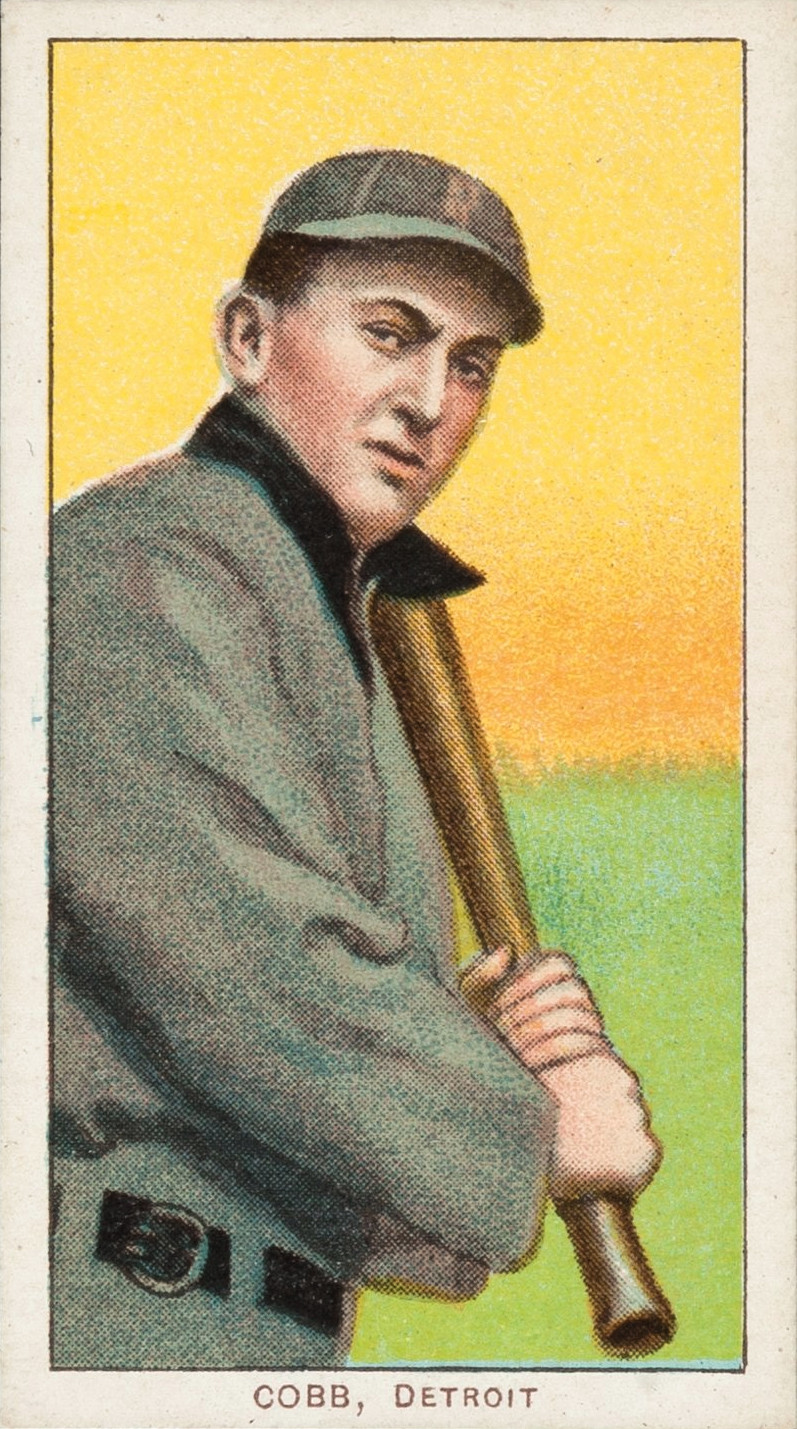
Answer-first summary
To understand Tom Brady cards, read the market in five layers: Brady's significance as the subject, the collecting lane a card belongs to, the exact issue, the quality and authenticity of the individual copy, and the evidence from comparable transactions. This prevents common category errors. A rookie-year card is not automatically scarce, a low population is not the same as a low print run, a high grade does not create demand, and an asking price does not establish value.
The short answer: learn the layers before learning the prices
Tom Brady cards are easier to understand when you stop treating them as one market. The name on the front may be the same, but a premium card from 2000, a later numbered parallel, an authenticated autograph, and an ordinary career base card are different kinds of collectibles. They attract overlapping but not identical buyers and cannot be compared through one price ladder.
A useful mental model has five layers: the athlete, the collecting lane, the exact issue, the individual copy, and the transaction evidence. Each layer answers a different question. Brady's career explains why collectors pay attention. The lane explains what role the card can play. The issue defines what was produced. The copy determines condition and authenticity. Completed transactions show what closely matched buyers have recently accepted.
Most confusing claims come from collapsing those layers. A seller may use Brady's fame to imply that a plentiful card is scarce, cite a high grade without establishing demand, or compare a numbered parallel with the visually similar base version. Learning the categories gives you a way to slow the claim down and test it.
Layer one: understand the subject without valuing the card yet
Brady's broad recognition helps explain why his cards have many possible audiences. A collection might focus on quarterbacks, a team era, championship seasons, career milestones, autographs, rookie-year issues, or a complete playing timeline. Those stories create attention and make cards culturally legible to more people.
Recognition is not card-level scarcity. Thousands of different cards can feature a famous athlete, and many individual products were designed to be widely available. Begin with the statement “collectors know the subject,” then postpone every conclusion about rarity or price until the exact card is identified.
Patrick Mahomes and Peyton Manning are useful reference points only at this broad layer. Each has a recognizable quarterback story, but each entered a different card-production environment. Comparing their career narratives may explain collector interest; comparing their card prices without matching product structure, supply, and era usually explains very little.
Layer two: choose the collecting lane
A collecting lane is the role a card serves. Brady collectors commonly organize around rookie-year cards, later base cards, inserts and parallels, autographs, memorabilia cards, team or season themes, and graded type examples. A lane is not automatically a quality ranking. It is a boundary that makes research and budgeting manageable.
For example, a collector seeking one representative card may prioritize an appealing photograph and a clear connection to a favorite season. A rookie specialist may care more about 2000 issues and hobby recognition. An autograph collector needs to distinguish manufacturer-certified signatures from later third-party authentication. Each person can make a coherent choice without chasing the same object.
Define your lane in one sentence: “I want one recognizable Brady card for a career display,” or “I want to study accessible cards from his rookie year.” Then set a total budget that includes shipping, tax, authentication, grading, and insurance where relevant. The complete Tom Brady collector guide develops these lanes into fuller collection plans.
Layer three: identify the exact issue
“Tom Brady card” is a subject description, not an identity. Record the year, manufacturer, product, set or insert name, card number, base or parallel status, serial numbering, autograph or memorabilia designation, and any recognized variation. This fingerprint should agree across the card, listing, checklist information, and grading label when present.
The vocabulary matters because similar terms answer different questions:
- Rookie-year connects a card to the beginning of a professional career; it does not say how many were printed.
- Base card identifies the standard issue within a product; it does not necessarily mean worthless or unlimited.
- Insert belongs to a separately designed subset distributed within a product.
- Parallel is an alternate version of another card, often distinguished by color, finish, or numbering.
- Serial-numbered means the copy carries a production number; it does not reveal how many unnumbered alternatives exist.
- Short print should describe intentionally lower availability supported by reliable product information, not merely a seller's impression.
Bowman Chrome is a recognizable name within Brady collecting, but the label is still incomplete without year, number, version, and condition. Product recognition can support demand, yet it cannot be borrowed by a different issue that happens to share a player or design element.
Layer four: judge the individual copy
After identifying the issue, evaluate the object in front of you. Centering, corners, edges, surface, print quality, color, autograph quality, and overall eye appeal can separate two copies of the same card. Different constructions expose different problems: glossy surfaces show scratches and print lines, dark borders reveal chipping, and thick cards can be vulnerable at corners and layers.
A grade is a third party's summarized opinion of a copy under its standards at the time of evaluation. It can make condition and authenticity easier to communicate, but it is not the card's identity and does not guarantee an attractive example. Inspect the card inside the holder, verify the certification through the grading company's official tool, and compare the label details with the card.
Population is another frequently misunderstood term. A grading population counts recorded grading events or outcomes for a specified issue at one company. It is not automatically the total number produced or surviving. Ungraded cards, cards graded elsewhere, resubmissions, crossovers, and differences in submission incentives all affect interpretation. The card-grading collector guide explains how to use a holder and population information without asking them to prove too much.
Layer five: read demand and transaction evidence
Scarcity and demand must be considered together. A card may be genuinely difficult to find but wanted by only a few specialists. Another may be more available yet have many active buyers. The first is scarce; the second may be more liquid. Liquidity means the practical ability to find a buyer within a reasonable period and price range, not a promise that any card can be sold instantly.
Use several completed sales of closely matched copies. Match year, product, number, version, autograph status, grading company, grade, qualifiers, and visible eye appeal. Note the sale date, marketplace, buyer's premium, shipping, and whether the displayed result was an auction, fixed price, or accepted offer. A single result is a clue; a consistent group is better evidence.
Asking prices measure seller expectations. They do not show an agreement between buyer and seller. Population totals measure submissions. They do not measure the number of buyers. Serial numbers describe stated production for that version. They do not guarantee demand. Keeping these measures separate prevents a precise-looking number from answering the wrong question.
How to read a listing from top to bottom
Use the same sequence every time you encounter a card:
- State your purpose. Decide what role the card would serve and the maximum total cost you can accept.
- Build the fingerprint. Confirm year, product, set, number, version, special features, and holder details.
- Test each claim. Ask what proves “rookie,” “rare,” “short print,” “autograph,” or “high grade.”
- Inspect the copy. Look beyond the headline and label for defects, alteration signs, visual appeal, and image quality.
- Verify trust signals. Check certification, seller history, return terms, payment protection, and shipment arrangements.
- Find matched sales. Prefer several recent, genuinely comparable transactions and include all costs.
- Make the fit decision. Buy only if the identity, copy, evidence, and price serve the collection you defined.
The guide to buying Tom Brady cards safely expands this sequence for real transactions. If the card is graded, the guide to buying graded cards safely adds holder-specific checks.
Common category errors
Beginners do not usually lack information; they struggle with information assigned to the wrong layer. “Brady is famous” is evidence of recognition, not proof that one card is rare. “Only ten are in this grade” describes a grading population, not total surviving supply. “It is numbered to 100” describes production for one version, not the number of interested buyers. “The seller wants this amount” is an offer, not a completed market comparison.
Another error is assuming a universal best card. A scarce premium rookie may be central to one collection and completely unsuitable for another collector's budget or purpose. A modest career card with a favorite image can be an excellent fit even when it has little scarcity. Decision quality comes from matching the object to the goal, not from forcing every collector into the same hierarchy.
Finally, do not confuse a framework with a prediction. These layers help you describe what a card is, why people may want it, and what evidence supports a current comparison. They cannot guarantee future demand or a resale outcome.
A collector's working definition of value
For practical purposes, value is the range that informed buyers and sellers have recently accepted for genuinely comparable copies under known transaction conditions. That definition is deliberately narrower than personal importance, an insurance estimate, a seller's hope, or a future forecast.
Understanding Tom Brady as a collector therefore means asking disciplined questions in order. Why does the subject matter? Which lane does the card occupy? What exactly is the issue? How good and trustworthy is this copy? What do matched transactions reveal? Once those questions stay separate, the market becomes less mysterious and your choices become easier to explain.
Conclusion
The best collecting decisions usually come from structure rather than urgency. When you combine clear comparisons, strong context, and a disciplined buying framework, you give yourself a better chance to build a collection with both enjoyment and staying power.