Answer-first summary
Michael Jordan is valuable to collectors because unmatched player recognition, long-running hobby demand, iconic card identity, condition sensitivity, grading culture, and liquidity can reinforce one another.
What makes Michael Jordan valuable in the first place?
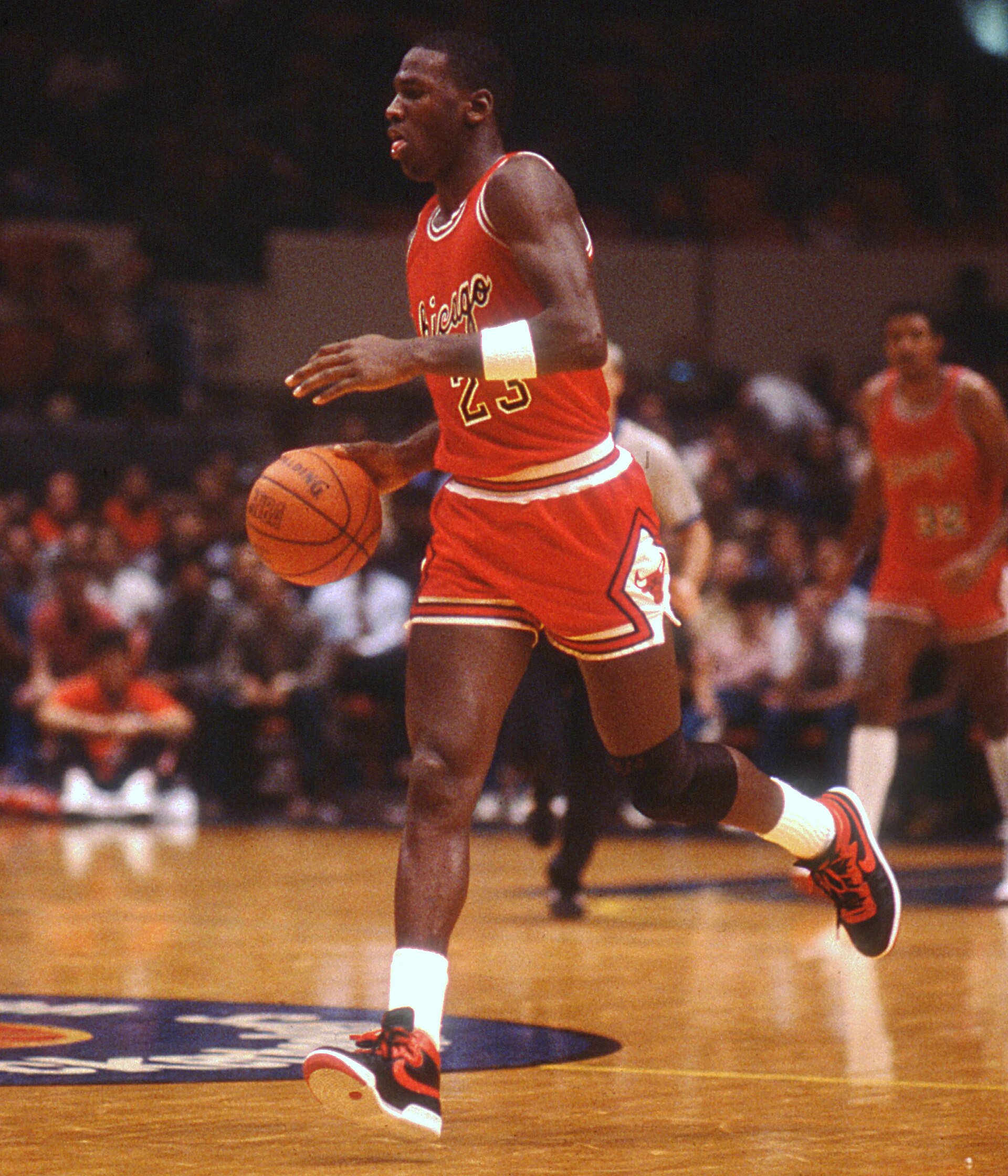
Michael Jordan becomes valuable to collectors when player importance and card-level evidence point in the same direction. His market is not built only on statistics, championships, or nostalgia. It is built on a rare combination of cultural recognition, basketball history, decades of hobby attention, and specific cards that collectors can identify, compare, grade, and trade with confidence.
That combination is why Jordan remains one of the clearest benchmarks in sports-card collecting. A collector may disagree about which Jordan card is best for a given budget, but almost everyone understands why the category matters. The strongest Jordan cards are easy to explain to another buyer: the player is historically central, the card has a known place in the hobby, and enough sales history exists to make value less mysterious.
The important distinction is that Michael Jordan is valuable as a collecting category, but not every Jordan item is equally strong. The name creates attention. The exact card still has to earn its price.
Legacy demand gives the market a wide base
Jordan demand is unusually broad because it reaches beyond one generation of collectors. Longtime basketball-card collectors remember the rise of modern basketball cards. Younger collectors know Jordan as the sport's historic measuring stick. Casual fans recognize the name even when they do not follow the card market closely. That shared recognition gives the category a wide base of potential buyers.
Broad demand matters because it helps a collectible stay legible. A niche card can be rare and still struggle if only a small group understands it. A key Jordan card is different. It can usually be explained quickly, researched through visible sales, and placed inside a familiar hierarchy of basketball collectibles.
That does not remove risk, but it does make the market easier to study. Jordan value is strongest when a card benefits from both emotional demand and practical market structure.
Card identity matters as much as the name
The first question with any Jordan card is not simply, "Is it Michael Jordan?" The better question is, "Which Jordan card is this, and why does the market care?" A flagship card, a famous insert, a premium autograph, and an obscure regional issue may all show the same player, but they do not carry the same demand profile.
Card identity includes year, brand, set, image, checklist role, distribution, and where the issue sits in Jordan's collecting timeline. When those details are familiar, buyers can compare the card more confidently. When the details are obscure, the card may still be interesting, but the collector needs a higher standard of evidence.
This is why the Michael Jordan complete collector guide starts with context rather than price alone. Jordan's name opens the door, but the card's identity determines how much support the market is likely to give it.
Condition can magnify value quickly
Condition is one of the most important reasons two Jordan cards with the same front image can be worth very different amounts. Corners, centering, edges, surface quality, print marks, gloss, and overall eye appeal all affect how collectors judge a copy. On important Jordan cards, small condition differences can change both buyer confidence and pricing behavior.
Grading makes those differences easier to discuss, but it does not make every copy in the same holder identical. A card with stronger centering or cleaner surface quality can attract more attention than a weaker-looking example in the same grade. Serious collectors often look past the label and ask whether the card itself has the visual strength they want to own.
The broader card grading complete collector guide is useful background here because Jordan is exactly the kind of market where grading vocabulary matters. A grade can reduce uncertainty, but it does not replace inspection.
Scarcity helps only when collectors already care
Scarcity is powerful in Jordan, but it is often misunderstood. A scarce Jordan card is not automatically stronger than a common one. Scarcity matters most when it appears on a card that collectors already recognize, want, and compare frequently. Without that demand, scarcity can create a thin market rather than a strong one.
For example, an obscure low-population issue may sound impressive, but it can be difficult to price if few buyers are searching for it. A more familiar Jordan card with deeper sales history may be easier to understand and easier to sell, even if more copies exist. That trade-off is one of the central lessons of Jordan collecting.
Collectors should ask whether scarcity is attached to importance. If rarity, recognition, condition, and buyer depth all align, the card has a much clearer value story. If rarity stands alone, caution is usually appropriate.
Liquidity is a practical strength
Liquidity is one of Jordan's quiet advantages. Many important Jordan cards have more visible sales history than comparable cards in thinner athlete markets. That does not guarantee a stable price, but it gives collectors more information. More sales make it easier to compare grades, identify outliers, and avoid treating a single dramatic result as the whole market.
Liquidity also helps with collection planning. A collector may want a card for personal reasons, but it is still useful to know whether the market has enough buyer depth to support future decisions. Cards with deeper liquidity are easier to insure, benchmark, upgrade, or sell if priorities change.
This is also why buying discipline matters. The guide to buying Michael Jordan safely and the guide to buying graded cards safely both point toward the same habit: use evidence, not excitement, to decide whether a specific copy makes sense.
Emotional value is real, but it needs evidence
Jordan's value would be incomplete without emotion. Collectors care about the player, the memories, the imagery, and the idea of owning a piece connected to basketball history. That emotional pull is part of the demand base. It helps explain why Jordan cards remain central even when market conditions change.
The risk is letting emotion do all the work. A collector can love Jordan and still overpay for the wrong card. A card can feel important and still lack strong comps, clean condition, or enough buyer depth. Emotion explains why the category matters. Evidence explains whether a specific purchase is defensible.
The healthiest Jordan decisions usually combine both. The collector understands the personal appeal, then checks the card's identity, condition, grade context, sales history, and fit within the collection.
Common mistakes that weaken Jordan decisions
The first mistake is treating every Jordan card as if it has the same market weight. Some cards are category anchors. Others are secondary, niche, or mainly interesting to specialists. Player greatness does not erase those differences.
The second mistake is confusing asking prices with value. Jordan cards can attract ambitious listings, especially when sellers know the name brings attention. Completed sales, condition details, and grade-specific comparisons are usually more useful than listings that have not found a buyer.
The third mistake is buying the label instead of the card. A grade is important, but eye appeal still matters. A card with weak centering or visible flaws may deserve a more cautious price even if the holder looks impressive.
So what really makes Michael Jordan valuable?
Michael Jordan is valuable because broad cultural recognition meets a mature hobby market with clear card hierarchies, active grading language, visible sales history, and deep emotional demand. His strongest cards are not valuable only because they show Jordan. They are valuable because collectors understand what they are, why they matter, how condition affects them, and how they compare with other options.
That is the practical answer. Jordan's name creates the strongest starting point in basketball-card collecting, but the best decisions still come from card-level judgment. Collectors who separate fame from evidence are usually better prepared to recognize which Jordan cards deserve confidence and which ones are simply borrowing strength from the name.
Conclusion
The best collecting decisions usually come from structure rather than urgency. When you combine clear comparisons, strong context, and a disciplined buying framework, you give yourself a better chance to build a collection with both enjoyment and staying power.