Answer-first summary
The Michael Jordan market is strongest when broad cultural recognition is paired with exact-card clarity, condition confidence, authentication, and repeatable comparable sales. Collectors should use market signals as context, not as a promise about future prices.
The Short Answer
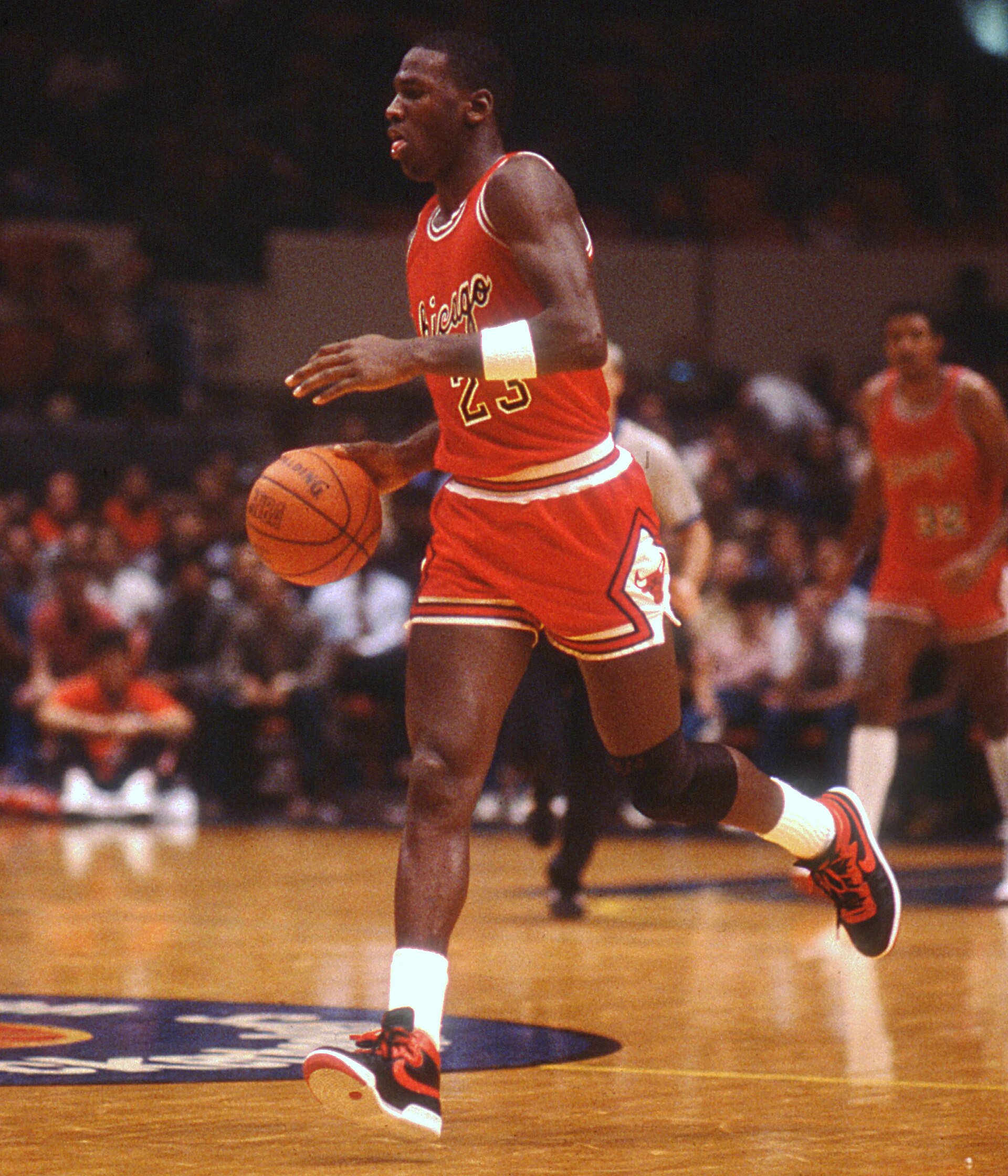
The Michael Jordan market remains one of the deepest areas in modern basketball-card collecting, but the strength of the name can hide the weakness of a specific purchase. A collector is not buying "Jordan" in the abstract. The real decision is the exact card, the exact copy, the condition profile, the holder or authentication path, and the evidence behind the asking price.
That is the main point of this second market guide. Jordan's recognition creates a large audience, but buyer depth is not evenly spread across every card. Some cards are easy to explain, easy to compare, and easy to place within a collection. Others depend on a thin group of specialists or on a seller's story. Both can be valid, but they require different levels of patience and risk tolerance.
For a broader foundation, use the Michael Jordan complete collector guide. This edition is more focused on reading the market before a purchase.
Why Jordan Demand Has Unusual Depth
Jordan demand is durable because it comes from several collector groups at once. Basketball collectors understand his place in the sport. Card collectors understand the role of famous issues and condition rarity. Nostalgia buyers understand the cultural pull. Newer collectors often use Jordan as a starting point because the subject is familiar before the technical card details are.
That mix supports liquidity, but liquidity is not automatic. The most flexible Jordan cards usually have a clear identity: year, set, card number, image, grade, and market role. When many buyers can identify the card quickly, the market has more comparison points and fewer explanations are needed.
Weak liquidity often appears when the listing leans too heavily on the name. If a card needs a long argument to explain why it matters, the buyer should slow down. Niche cards can be rewarding, but the purchase should be priced for a narrower future audience.
Segment the Market Before Comparing Prices
A common mistake is comparing all Jordan cards as if they belong to one lane. They do not. A benchmark rookie, a playing-era base card, a 1990s insert, a modern tribute issue, an autograph, and a low-cost collector card each behave differently.
Benchmark cards are easier to research, but they are scrutinized heavily. Playing-era cards can offer a more accessible path, but condition and set recognition still matter. Inserts and premium issues can carry strong collector interest, yet thin sales make patience more important. Autographs and memorabilia cards require close attention to product legitimacy and documentation. Lower-cost cards can be excellent personal collection pieces, but they should not be forced into the same role as a market anchor.
Before comparing prices, name the lane. Then compare within that lane. This keeps the collector from using a famous sale in one category to justify a weaker card in another.
The Benchmark Role of 1986 Fleer
The 1986-87 Fleer Michael Jordan #57 remains the central basketball-card benchmark because collectors can study it from many angles. The PSA CardFacts page for the card gives the issue a clear reference point, and the card's long market history gives buyers a shared language for grade, centering, authenticity, and demand.
That benchmark role does not mean every collector needs to own one. It means the card helps explain the market. It shows why authentication matters, why small condition differences matter, why recent comparable sales matter, and why famous cards can still be risky if the buyer ignores the copy in front of them.
Collectors who are not buying the Fleer rookie can still learn from it. The habit is transferable: identify the card precisely, understand condition sensitivity, study true comparables, and separate broad demand from copy-specific quality.
Condition Is Often the Real Market
Jordan collecting frequently becomes condition collecting. Corners, centering, edges, surface quality, print defects, holder condition, and eye appeal can change the way buyers respond to the same issue. A slab label helps, but it does not remove the need to inspect the card.
The card grading complete collector guide is useful here because many Jordan decisions turn on grading judgment. A technically graded card can still look weak for the grade. A raw card can look attractive but carry authenticity, alteration, and grading-risk questions. A holder can add confidence, but it can also invite a premium that is larger than the card deserves.
The practical habit is to judge the copy first and the label second. Ask whether the card looks strong for its grade, whether recent sales involve similar copies, and whether the price already assumes a best-case outcome.
What Strong Comparables Look Like
Useful comparables are narrow. Same card is the starting point, not the finish line. The stronger comparison is same issue, same grade, similar eye appeal, similar holder confidence, similar sale venue, and recent timing.
Asking prices are weaker evidence than closed sales. A dramatic listing can show seller optimism, but it does not prove buyer demand. One unusually high sale can matter, but only after checking whether the copy was exceptional, the venue was unusual, or the buyer was highly motivated.
Collectors should also watch the relationship between grades. If one grade moves sharply while adjacent grades do not, the signal may be narrower than it appears. If several grades show consistent demand, the market may be easier to understand. None of this predicts the future; it simply helps the buyer avoid treating noise as evidence.
Buyer Depth Beats a Scarcity Story
Scarcity is useful only when enough collectors care. A scarce Jordan card with clear demand can be compelling. A scarce Jordan card with no repeatable sales may be difficult to price, difficult to exit, and difficult to insure confidently.
Buyer depth is the quieter strength. It means more people understand the card, more sales can be studied, and more future buyers may recognize the listing. For collectors who value flexibility, buyer depth can matter more than a dramatic rarity claim.
That does not make niche cards bad. It means niche cards need a different standard. The buyer should want the card for the collection first, accept a slower resale path, and leave more margin for uncertainty.
How to Buy With More Discipline
Jordan's market rewards patience because another card usually appears. Before buying, confirm the exact issue, grade, certification number, seller reputation, return terms, and recent sales. Review images carefully. For raw cards, assume uncertainty. For graded cards, verify that the holder and card both match the listing.
The how to buy Michael Jordan safely guide covers transaction habits in more detail. If the purchase depends on grading, the how to buy card grading safely guide is the better companion.
One useful rule is to write the purchase thesis before paying. The note can be simple: what the card is, why this copy is acceptable, what comparables support the price, what risks remain, and what role the card will play in the collection. If that note is hard to write, the purchase may be early.
Signals Worth Discounting
Some signals deserve less weight. Social attention is not the same as demand. A high asking price is not a comparable sale. A single sale without condition context is not a market trend. A seller's statement about rarity is not enough without issue research.
Collectors should also discount vague phrases like "investment grade" or "museum quality" when they are not tied to specific evidence. A strong Jordan card does not need inflated language. It needs clear identity, clear condition, clear documentation, and a price that can be defended with actual market data.
Where Collection Fit Changes the Decision
Two collectors can look at the same Jordan card and make different good decisions. One may need a liquid, recognizable anchor. Another may want a favorite image, a Bulls-era theme, or a lower-cost card that makes the collection more personal. Market discipline does not mean every purchase must be maximally liquid.
The key is being honest about the role. A personal favorite can be priced with more emotion if the buyer accepts limited resale flexibility. A collection anchor should face a stricter test: stronger comparables, cleaner condition, better documentation, and broader buyer recognition.
Final Framework
The Jordan market is best approached with respect and restraint. Respect the depth of demand, the cultural permanence, and the collector interest. Restrain the urge to let the name solve every problem.
Start with the lane, then the exact card, then the exact copy. Confirm condition and authenticity. Compare only against relevant sales. Decide whether the card gives the collection something clear: a benchmark, a favorite design, a condition goal, a nostalgic piece, or a specialized study area.
Jordan cards can support many collecting styles, from affordable personal favorites to serious market anchors. The stronger path is specific, documented, and patient. The name opens the conversation; the card still has to earn the purchase.
Conclusion
The best collecting decisions usually come from structure rather than urgency. When you combine clear comparisons, strong context, and a disciplined buying framework, you give yourself a better chance to build a collection with both enjoyment and staying power.