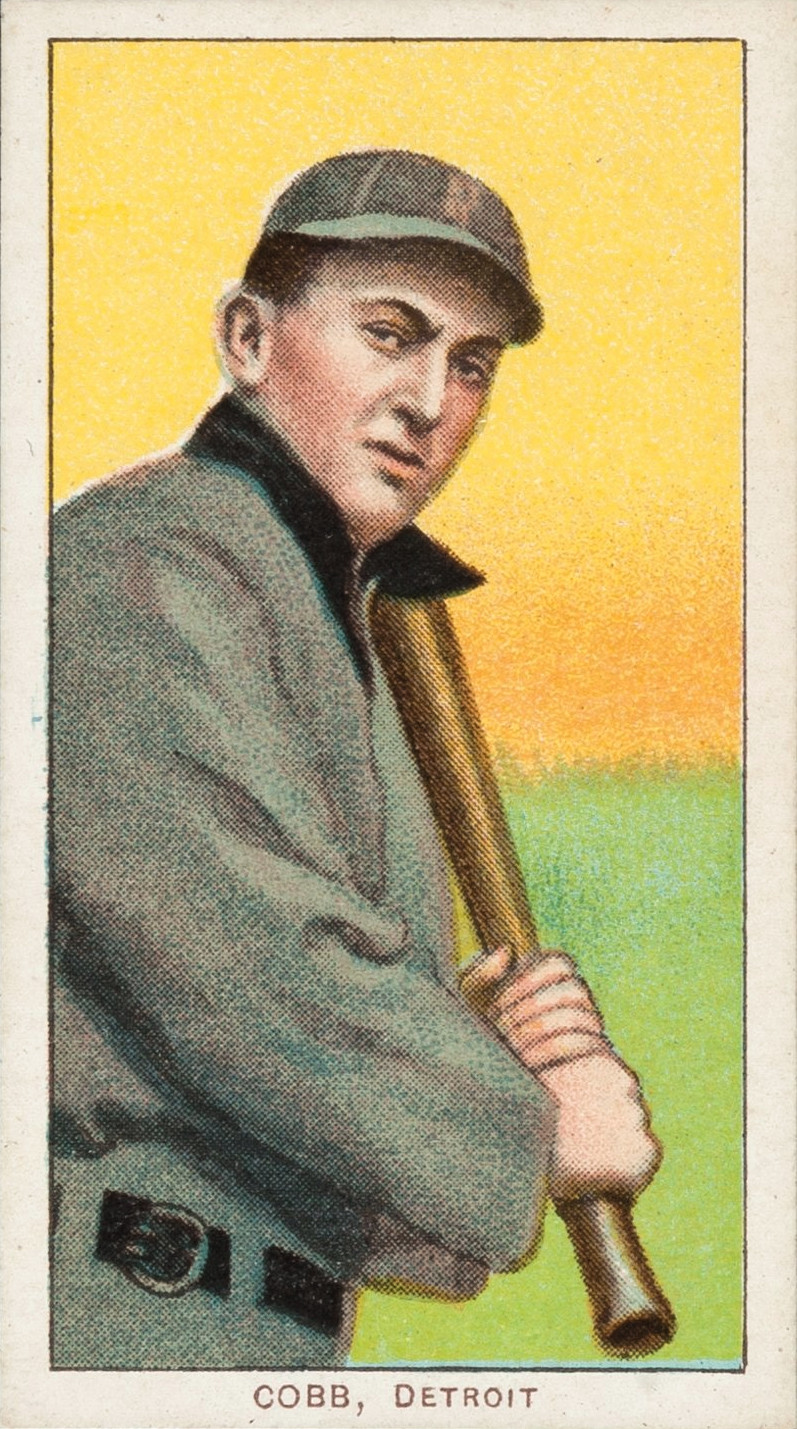
Answer-first summary
The Tom Brady card market has deep recognition but no single price trend: accessible career cards, mainstream 2000 rookies, condition-sensitive premium rookies, and scarce autographs or parallels behave differently. Start by identifying the exact lane, then compare the same version and grade, inspect eye appeal, verify certification, and judge whether completed sales show a realistic buyer base.
The short answer
The Tom Brady card market is broad, recognizable, and highly segmented. Demand for the player can be deep while demand for one exact card remains thin. An inexpensive later-career card, a widely understood 2000 rookie, a high-grade premium rookie, and a scarce autograph may all feature Brady, but they do not share the same buyer pool, condition risk, or pricing evidence.
Collectors should begin by identifying the lane rather than asking whether “Brady is up or down.” The practical questions are more specific: Is the card a rookie or later-career issue? Is it a base card, insert, parallel, or autograph? Can the version be verified? How sensitive is it to grade? Are there recent completed sales for the same card and condition?
This guide does not predict prices. It explains how to read the market without letting a famous name or a dramatic auction result replace card-level research.
Why Brady demand reaches several audiences
Brady has a career story that casual sports fans can understand, which gives his cards recognition beyond specialist football collectors. That recognition matters because a potential buyer does not always need a long explanation of why the player is relevant. It can support interest across rookie collectors, Patriots and Buccaneers collectors, autograph buyers, set builders, modern-football specialists, and people assembling displays around major quarterbacks.
Recognition is only the first layer. Product identity determines whether two buyers are discussing the same object. The PSA rookie checklist currently contains 44 required 2000 issues, ranging from accessible cards to premium releases and an important autograph. The master checklist extends much further across parallels, inserts, later seasons, and specialized variants. “A Brady rookie” therefore describes a category, not a single market.
Multiple audiences can improve buyer depth in well-known lanes. They can also create misleading spillover. Attention around a scarce Contenders autograph does not automatically change the fair price of an unrelated later-career insert. Collectors need to connect demand to the exact card.
The main Brady market lanes
Accessible career cards
Later-career base cards, mainstream inserts, and cards tied to recognizable Patriots or Buccaneers seasons offer the broadest entry point. Their value is usually driven more by image, design, set interest, condition, and personal relevance than by extreme scarcity.
These cards can be easy to buy but inefficient to resell individually after shipping and fees. That is not a flaw if the purpose is display or completion. It means collectors should buy selectively, calculate delivered cost, and avoid assuming that a famous player makes every low-priced card liquid.
Mainstream 2000 rookies
Brady's rookie year contains many products, creating a ladder of recognition and cost. More accessible issues can provide a clearly documented rookie without requiring the budget or expertise of the premium end. Card number, product name, condition, and whether the card is raw or graded remain central.
This lane often offers useful comparable sales because several issues are widely recognized. Still, different products cannot be blended. A Score result does not price an Upper Deck card, and a Bowman paper result does not price Bowman Chrome. A collector should prefer a card whose exact identity and condition can be explained in one sentence.
Premium and condition-sensitive rookies
Cards such as Bowman Chrome, SP Authentic, and other premium 2000 issues attract buyers seeking a more concentrated rookie centerpiece. Here, surface, centering, print quality, edges, serial-number context where applicable, and grade premiums become more important.
Bowman Chrome also demonstrates version risk: the base card and Refractor belong to separate markets. A sale from one cannot support the other. Premium recognition may help produce demand, but it also raises the cost of an identification or condition mistake.
Autographs and scarce parallels
Autographs and low-supply parallels occupy the specialist end. PSA's 2000 Playoff Contenders profile identifies Brady #144 as the key signed card in that set. Such cards require attention to card condition, signature quality, version, certification, seller history, and transaction protection.
Scarcity alone is not liquidity. The rarer the card, the fewer truly comparable sales may exist. A thin market can produce wide results based on copy quality, venue, bidder participation, and timing. The appropriate response is a wider uncertainty range, not a more confident forecast.
How the market developed
The Brady market did not begin with today's established hierarchy. His 2000 cards entered the hobby around a player without the professional résumé later associated with his name. As his career story became clearer, collectors revisited a rookie class spread across many products. Recognition accumulated unevenly: a handful of issues became widely understood centerpieces, while others remained accessible or specialist.
Later, the market broadened beyond rookies. Career-era cards gained meaning through team chapters, designs, championship seasons, inserts, autographs, and set projects. Grading created more standardized descriptions for condition, while online marketplaces made exact-card comparisons easier. Neither development removed uncertainty; each made it more important to distinguish the actual copy and label.
Today the market is mature enough to contain several collecting goals at once. A new collector can build a modest five-card career display, while a specialist can study one rare 2000 parallel. Those activities share a player but not necessarily a market.
What moves attention and prices
Brady card attention can respond to anniversaries, documentaries, major public appearances, record discussions, prominent auctions, product releases, and changes in the wider sports-card market. These events can increase searches and listings without changing every card's durable buyer base.
Card-specific factors matter more over a complete buying decision:
- exact year, product, number, and version
- rookie, later-career, autograph, insert, or parallel status
- raw condition or assigned grade
- centering, surface, edges, corners, and overall eye appeal
- signature presentation and authentication when applicable
- number and quality of recent completed sales
- seller reputation, venue, fees, and return protection
Asking prices show what sellers hope to receive. Completed sales show that a buyer and seller actually met, although premiums, taxes, shipping, accepted offers, and copy quality still need adjustment. Neither one spectacular result nor one distressed sale defines the whole lane.
Condition and grade premiums
Condition affects demand differently across products. A common later card may have many substitutes, allowing buyers to reject weak centering or surface wear. A genuinely scarce card may force trade-offs, but scarcity does not make damage irrelevant. Premium rookies can be especially sensitive because buyers compare both the label and the physical eye appeal.
PSA's grading standards provide general grade definitions, but the number is not the entire card. Two examples in the same holder grade can differ in centering, print quality, surface, or image balance. Compare the copy first, then decide whether the premium over an adjacent grade improves the ownership experience.
For raw cards, do not pay as though a favorable future grade has already been earned. For graded cards, verify the certification number and match the record to the holder and card. The card grading and condition guide explains how to separate confidence in a grading service from the visible quality of the collectible.
Reading liquidity correctly
Liquidity means finding a real buyer at a defensible price without requiring ideal circumstances. Strong signals include repeated completed sales of the same issue and grade, clear card identity, multiple credible sellers, and a price range that does not depend on one old transaction.
Weak signals include vague listings, mixed versions, raw cards priced from graded results, rare parallels with no close comparisons, and listings that use Brady's name instead of card-specific evidence. High population can reduce scarcity but improve benchmarking. Low population can indicate rarity, low submission interest, or both. Population data needs demand context.
If resale flexibility matters, consider the likely exit before buying. Would the card sell alone through a broad marketplace, require a specialist auction, or work better inside a player lot? The answer belongs in the purchase decision rather than being discovered later.
A practical comparable-sales process
Start with the complete identity: year, brand, set, card number, and version. Then match grading company and grade, or compare raw copies with similar visible condition. Separate autographs, serial-numbered parallels, qualifiers, and authentic-only labels.
Use several completed sales when possible. Record date, venue, stated price, buyer's premium, shipping, and any uncertainty around an accepted offer. Inspect photographs because eye appeal and signature quality can explain why equal labels sold differently. Remove results with incorrect titles or ambiguous versions.
The output should be a range, not a single magic number. Set a maximum delivered cost for the specific copy, including tax and fees. If evidence is too thin to support that range, waiting is a valid market decision.
Budget strategy by lane
At an entry budget, prioritize a coherent story, clean condition, and recognizable products. One card from an early Patriots chapter, one later Patriots card, and one Buccaneers card may offer more satisfaction than a pile of near-duplicates.
At a middle budget, compare accessible 2000 rookies, strong-looking graded copies, and selected career cards. Decide whether one rookie centerpiece or a curated group better fits the display. Do not let a grade label consume the budget unless the visible improvement matters.
At higher budgets, evidence should become stricter. Premium rookies, autographs, and scarce parallels require exact version checks, independent certification verification, specialist seller review, insured delivery, secure storage, and realistic transaction costs. A higher price increases the need for discipline; it does not reduce it.
Common mistakes
The first mistake is treating every Brady card as one market. Headlines about one elite rookie do not price a different card.
The second is confusing scarcity with buyer depth. A card can be difficult to find and also difficult to sell.
The third is ignoring condition because the player name is powerful. Buyers still distinguish centering, surface, edges, corners, signature quality, and eye appeal.
The fourth is mixing asking prices with completed sales or mixing versions and grades inside a comparison set.
The fifth is buying before defining the collection. The complete Tom Brady collector guide helps set a scope, while the safe Brady buying guide and safe graded-card buying guide cover seller, certificate, and transaction checks.
Final view
The Tom Brady market has durable recognition and enough product depth to support beginners, set builders, rookie specialists, autograph collectors, and high-end buyers. That breadth is useful only when the collector narrows it to one card lane.
Identify the exact card. Understand why buyers recognize it. Inspect the actual copy. Verify any certification. Compare like with like, calculate delivered cost, and decide what role the card serves. Those steps cannot promise a future price, but they can turn a noisy player market into a clear collecting decision.
Conclusion
The best collecting decisions usually come from structure rather than urgency. When you combine clear comparisons, strong context, and a disciplined buying framework, you give yourself a better chance to build a collection with both enjoyment and staying power.