
Comparisons
Raw vs. Graded Card
Raw and graded cards can both make sense, but they serve different buyers and become mistakes for different reasons.
April 9, 2026Raw cards
Entity Cluster
Condition drives a huge share of card-market pricing. This cluster helps readers connect grading vocabulary with real buying decisions instead of treating slab labels as automatic truth.
Better condition analysis reduces overpaying, improves resale clarity, and makes market comps more trustworthy.
This cluster answers
Connected Pages
This set combines evergreen guides, comparisons, and practical buyer education.
Raw and graded cards can both make sense, but they serve different buyers and become mistakes for different reasons.

PSA is often the easier default, but BGS can still be the better fit when the card, likely grade, and buyer pool all point the same way.
A useful tracker does more than list cards. It shows cost basis, storage, concentration, and the records you will wish you had later.

A listed price is only the start of a resale story. Follow the evidence from an offered card to a reported sale and, where available, a recorded seller payment.

A better-looking Gretzky card can be worth more to you without carrying a proven resale premium. Build a feature-specific comparison before paying extra.
Two reported sales can differ without proving a trend. This edition shows how to check the sample, the individual copies, and the costs behind the numbers.

Gretzky's collecting history includes distinct rookie editions, different sale formats, and sealed products. The dates matter, but so does identifying what actually changed hands.
A useful Gretzky market comparison starts with the exact card, a dated sale, and consistent costs. Exceptional auction results belong in a separate historical context.
An Edmonton centerpiece and a Pittsburgh rookie anchor serve different collections. Compare exact copies, or define a two-player project with its own spending limit.

A player and a manufacturer are overlapping collecting interests. Define the card or set you want before comparing listings and budgets.
The choice is about how to collect. Set your own Gretzky boundaries or follow an O-Pee-Chee checklist, then budget for the gaps that remain.
Gretzky and Crosby suit different collecting projects. Compare named issues and individual copies before letting career prestige determine the purchase.
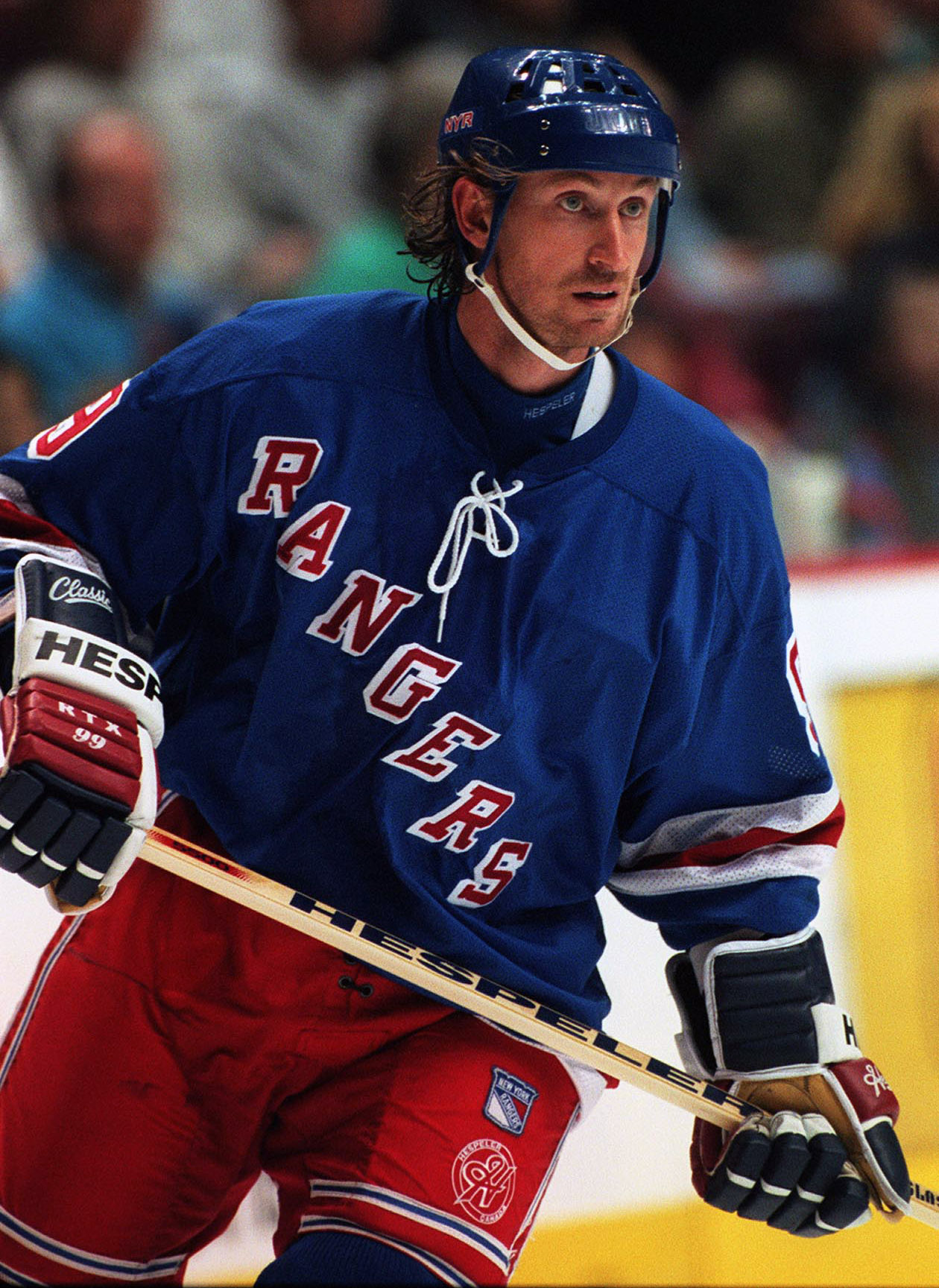
A genuine card can still be the wrong purchase. Match the collecting goal, individual copy, sale evidence, and full delivered cost before committing.

A rookie, a second-year card, or a signed photograph can anchor a Gretzky collection when identity, condition, and documentation support the choice.
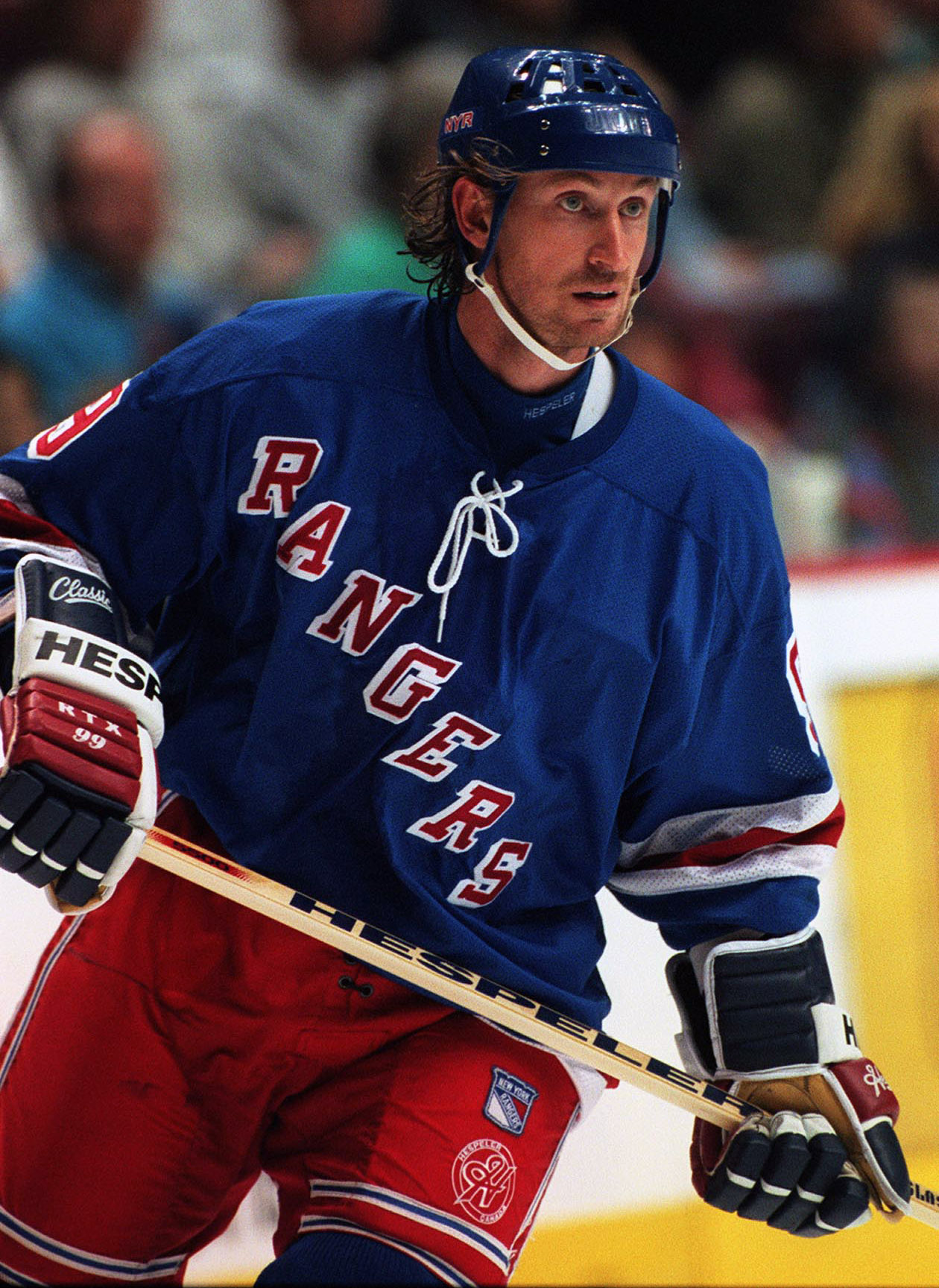
Choose a first Gretzky card by its job in your collection, then check the exact edition, actual copy, and full delivered cost.
Set a delivered-cost limit, then choose between a later-career card, an early issue, and the rookie edition you actually want.
A Gretzky collection can bring together public history and private memories. Its purpose becomes clearer when each object adds something you can explain.
Start with the information on the card and its label, then connect each piece to a collecting theme you can explain.
Gretzky's legacy creates exceptional recognition, while rookie status, exact issue, scarcity, condition, trust, and buyer depth determine what a collectible can support.
A safe Gretzky purchase depends on matching the exact card to credible evidence and preserving protection from the listing through delivery.
Wayne Gretzky cards span a defining condition-sensitive rookie pair, four team eras, and decades of affordable issues; clear identification should come before price.

Tom Brady card demand grew with his career, then matured into separate lanes where recognition, condition, scarcity, and buyer depth carry different weight.
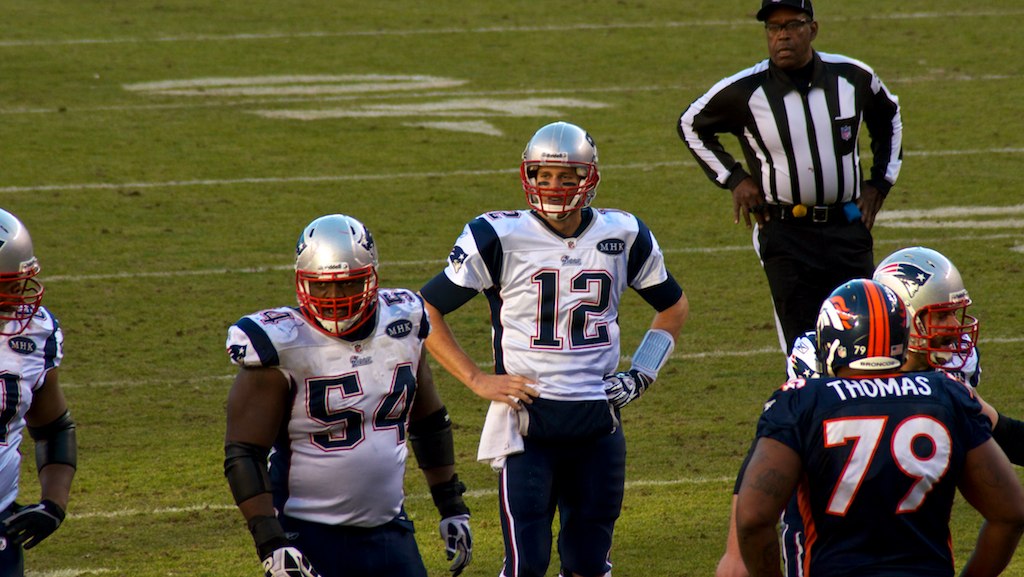
Tom Brady cards attract several kinds of buyers, but each rookie, autograph, parallel, and career-era issue has its own supply, condition, and liquidity profile.

The useful choice is not Brady or a separate brand—it is a varied Brady collection versus committing heavily to his defining Playoff Contenders rookie autograph.
The choice is not Brady or a different subject—it is a varied Brady collection versus concentrating money and research on Bowman Chrome #236.

Brady offers deeper headline demand and a challenging 2000 rookie market; Manning offers established 1998 choices that can be easier to approach.
The best long-term Brady pieces pair a clear hobby identity with condition you can defend, enough evidence to compare, and a specific job inside the collection.
The better quarterback collection depends on whether you value Brady's established 2000 rookie hierarchy or Mahomes's wider modern product landscape.
The strongest first Tom Brady card is usually not the rarest one. It is the card a collector can identify, compare, inspect, and understand before paying.
A larger Brady budget should buy clearer identity, stronger condition, or deeper demand—not simply a more complicated card.

Tom Brady cards become easier to understand when collectors separate the athlete's importance from card identity, copy quality, demand, and transaction evidence.
Brady matters to collecting because one widely understood career connects rookie cards, team eras, autographs, modern products, and buyers with very different goals.

Condition can transform demand for a key Brady card or barely move an ordinary issue; the difference lies in the card, the flaw, and the available alternatives.
Brady's historic career attracts attention, but a card becomes valuable through its exact identity, significance, supply, condition, authenticity, and buyer market.
Buying a Brady card safely requires more than recognizing the player: identify the exact issue, inspect the evidence, match real sales, and protect the transaction from listing to delivery.
Brady's fame connects many card categories, but each issue has its own identity, supply, condition profile, buyer base, and price evidence.
Tom Brady cards range from attainable career issues to scarce premium rookies; the essential skill is identifying the exact card before interpreting condition, demand, or price.

The right format depends less on a card's headline value than on how the collection is viewed, handled, expanded, transported, and recorded.

Top loaders are often the best rigid layer for selected raw cards, but they work best inside a measured system of sleeves, boxes, shelves, labels, and handling rules.
The right sports card storage is not one universal product. It is a measured chain of sleeves, holders, containers, shelving, environment, and inventory that makes each card safer to handle and easier to find.

A beginner storage system works best as a sequence of small compatible upgrades, not a single oversized order made before the collection has taken shape.
The safest-looking holder is not automatically the safest choice; protection depends on matching the card, risk, handling routine, outer container, and room.
The costly storage mistake is often not buying too little protection; it is ordering an untested combination that does not fit the cards, workflow, outer boxes, or return window.

Start with fit, safe materials, and orderly boxes; add rigid holders, binders, portable cases, or a safe only when the collection creates a specific need.
Storage supports liquidity when it lets a collector locate, inspect, document, and pack the exact card quickly without exposing it to unnecessary handling.
The right beginner setup is not one universal product; it is a small group of compatible supplies chosen for the cards, the workflow, and the room.

The strongest storage budget starts with sleeves, top loaders, and a fitted box; extra money should improve organization or display only where the collection needs it.
The best long-term storage system uses replaceable sleeves and holders inside fitted boxes, keeps cards accessible for periodic inspection, and separates preservation from display.
The best sports card storage system is not one product. It is a layered setup chosen around card value, thickness, handling frequency, display needs, and environmental risk.
The best sports card storage system is layered, correctly sized, easy to maintain, and matched to how often each part of the collection is handled.

Sports card storage is valuable when it protects condition, reduces avoidable handling, keeps inventory searchable, and supports better future decisions.
Sports card storage is valuable when it protects condition, reduces handling, improves organization, and keeps future grading or selling choices open.
Sports card storage is valuable when it protects condition, lowers handling risk, improves organization, and gives collectors better evidence for future decisions.

Sports card storage is valuable when it protects condition and turns a pile of cards into a collection that can be found, reviewed, documented, graded, sold, or enjoyed with less friction.
Sports card storage is valuable when it protects condition, reduces handling risk, and makes the collection easier to review, document, grade, sell, or enjoy.
Sports card storage is valuable when it preserves condition, lowers handling risk, and makes the collection easier to review, grade, insure, sell, or enjoy.
Sports card storage matters because it protects condition, reduces handling risk, and keeps a collection organized enough to evaluate with confidence.
Sports card storage is easier to understand when you separate the card's role, the condition risk, and the level of protection the card actually needs.
Sports card storage is valuable when it protects the card, supports grading or resale decisions, and keeps the collection organized enough to use.
Sports card storage does not create value on its own, but it can preserve or weaken the condition signals that buyers and graders use.
Buying sports card storage safely means choosing supplies that fit the card, the collection, and the real risk instead of buying the most expensive holder by default.

Sports card storage is not just about buying holders. It is a system for protecting condition, reducing handling, and keeping the collection understandable.
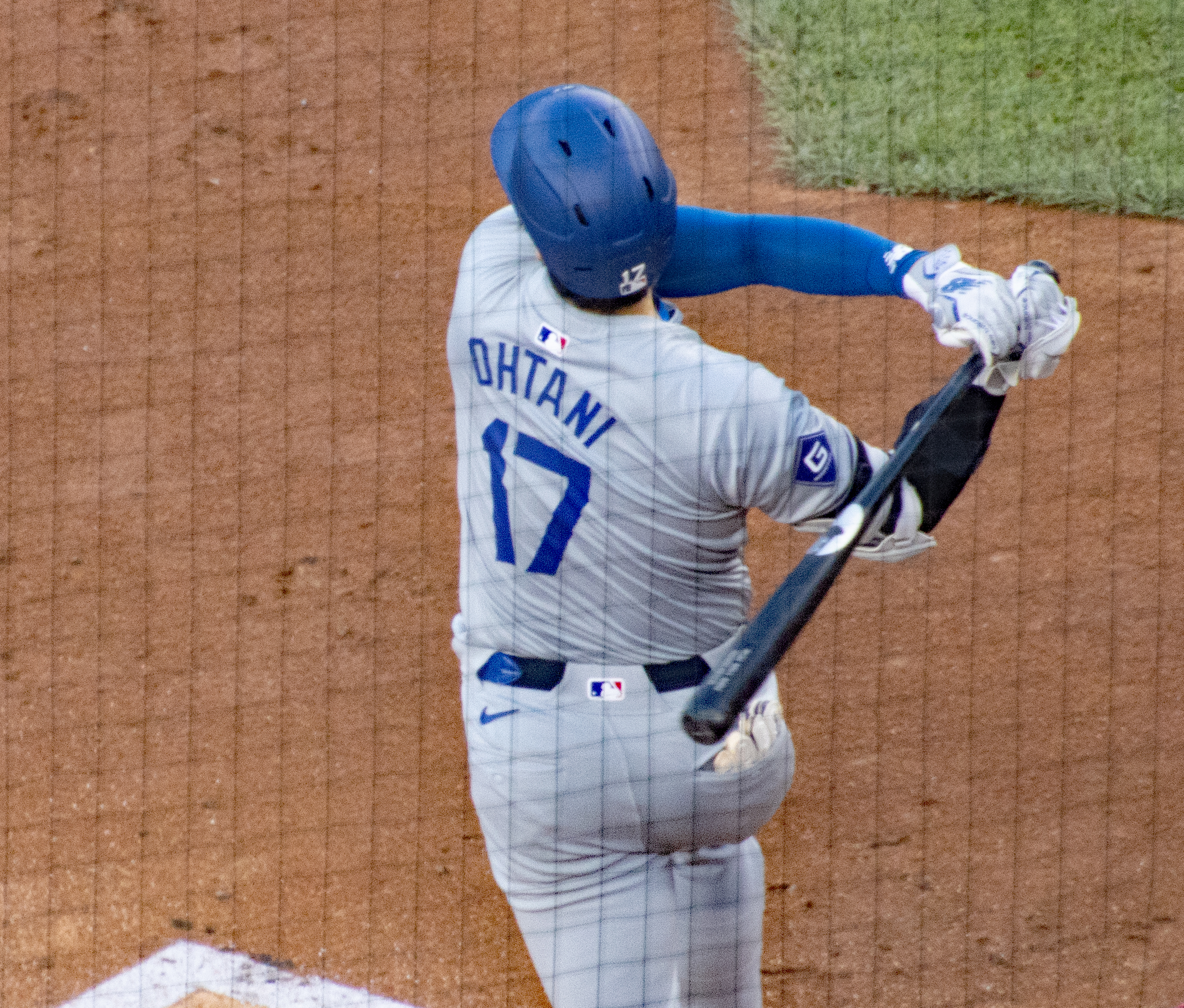
The Ohtani market has expanded, but collectors still need to evaluate exact issue, condition, grade, liquidity, and realistic comparable sales.

The Ohtani card market is broad, active, and story-driven, but collectors still need discipline around exact issue, grade, condition, and price.
Ohtani and Judge both matter to modern baseball-card collectors, but they solve different collecting problems depending on narrative, condition, liquidity, and budget.
Ohtani and Trout both matter to modern baseball-card collectors, but they solve different collecting problems depending on narrative, condition, liquidity, and budget.
Topps Chrome can be one of the clearest Ohtani lanes for collectors who understand surface quality and exact issue identity, but it is not automatically better than collecting Ohtani broadly.
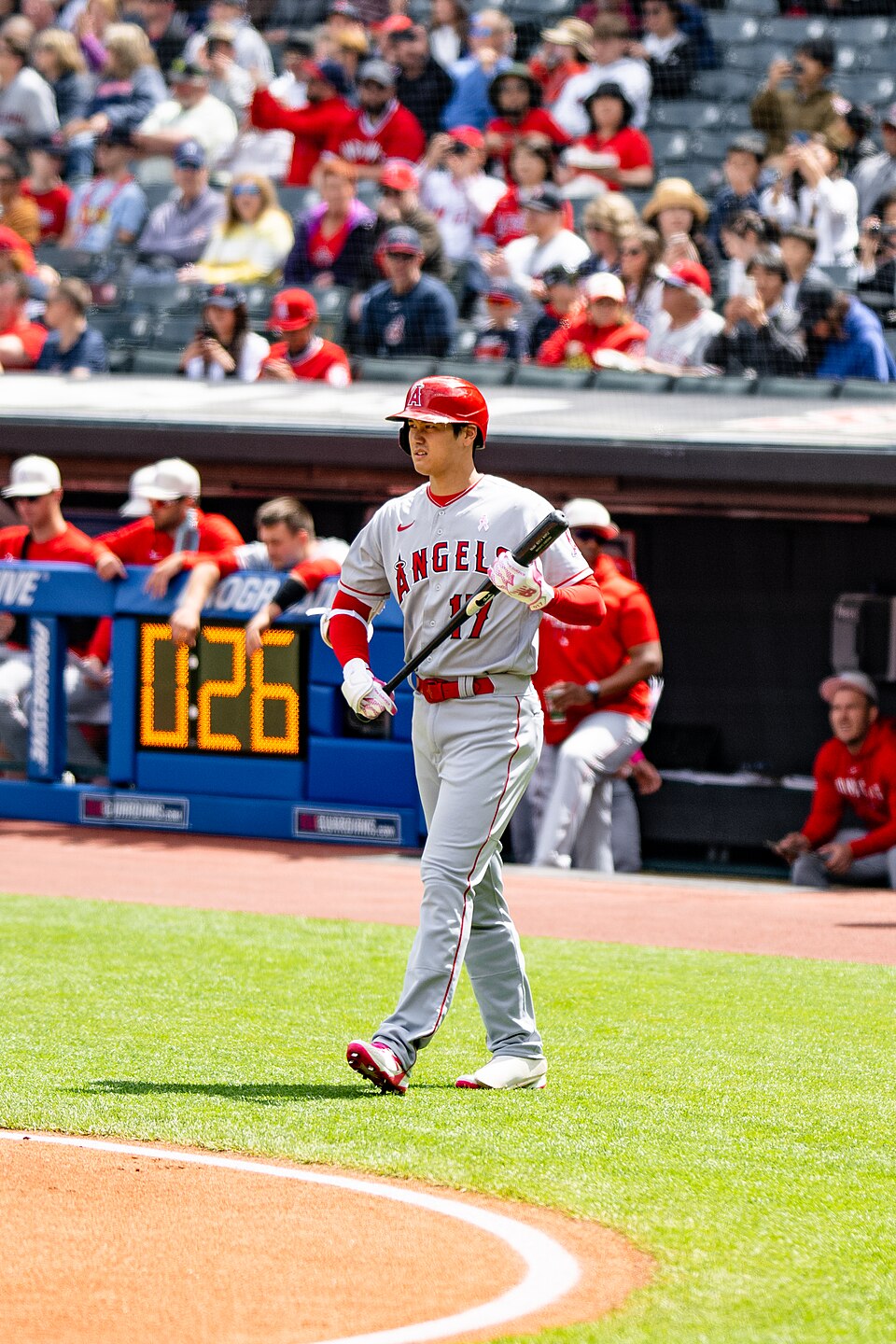
Bowman Chrome can be one of the clearest Ohtani lanes for collectors who understand exact issue identity, but it is not automatically better than collecting Ohtani broadly.
Before buying Shohei Ohtani cards, collectors should understand what the exact card is, how condition drives value, and whether the price is supported by real market evidence.
Collectors evaluating shohei ohtani usually need context on recognition, demand, and the trade-offs that affect long-term satisfaction.
Collectors evaluating shohei ohtani usually need context on recognition, demand, and the trade-offs that affect long-term satisfaction.
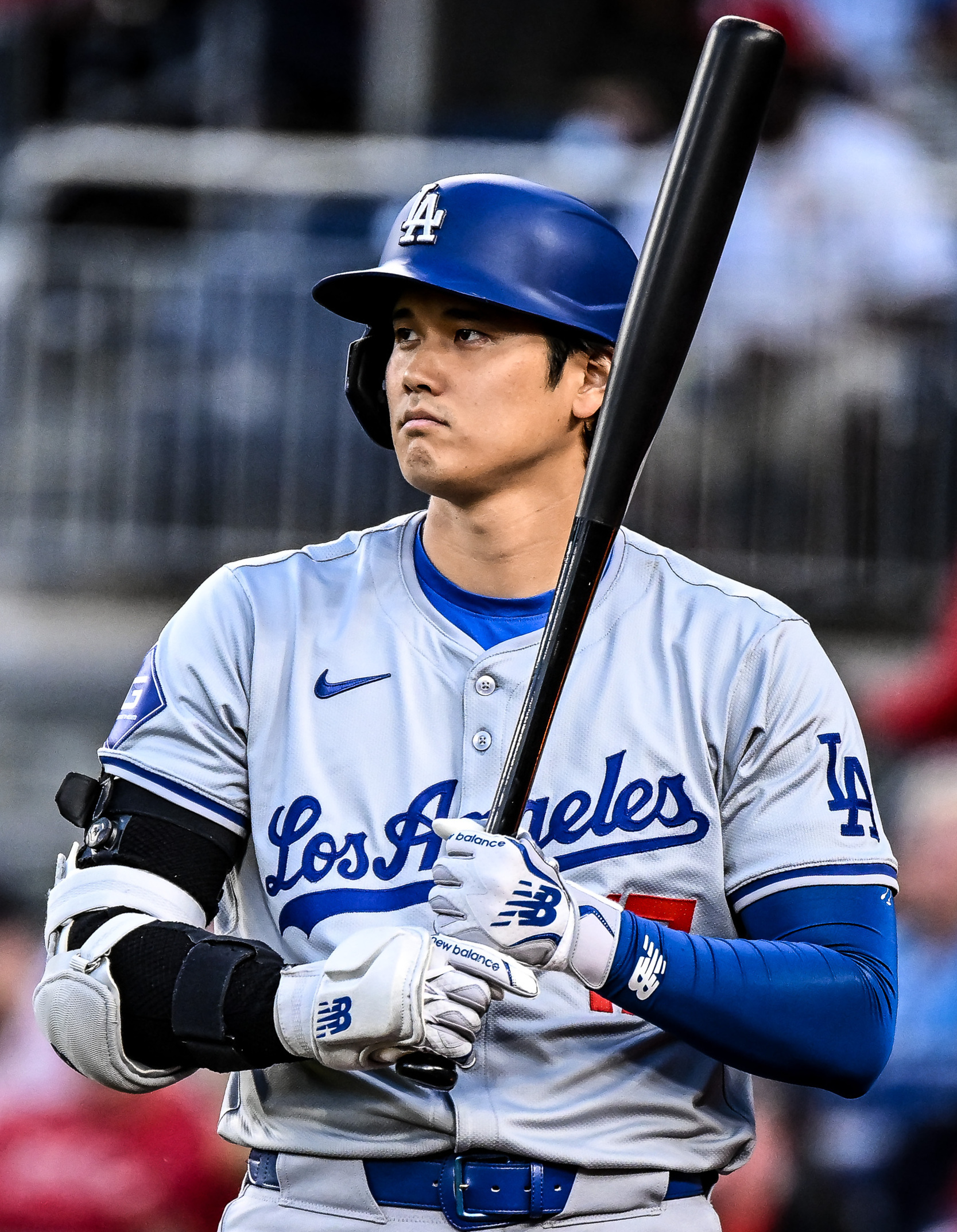
The best Ohtani options for new collectors are the cards that can be identified, inspected, compared, and kept for a clear reason.
The best Ohtani options for new collectors are the cards that can be identified, inspected, compared, and upgraded with patience.
The strongest Ohtani options for new collectors are the cards that can be identified, inspected, compared, and upgraded with discipline.
Ohtani has enough collector demand to make the obvious cards expensive and enough variety to make the obscure cards tempting. The best entry point sits between those extremes.
A new Ohtani collection works best when each card has a job: one to learn with, one to anchor the player story, and one to upgrade only after the evidence is clear.
The most liquid Ohtani cards are the ones collectors can identify quickly, compare against repeated sales, and evaluate with clear condition evidence.

The most iconic Ohtani options combine instant recognition, clear issue identity, condition evidence, and enough market depth to stay understandable.
The best Ohtani pick changes by budget: low-cost cards teach the market, rookie-year cards create a clear anchor, graded copies add condition language, and premium cards require much tighter research.
The best long-term Ohtani pieces combine recognition, condition clarity, liquidity, and a role that will still make sense when the market mood changes.
The best Ohtani options for new collectors are the ones that combine recognition, clean condition, clear pricing evidence, and a role you can explain.
Collectors evaluating Shohei Ohtani need a framework that separates player excitement from card-level evidence.
Evaluating Shohei Ohtani cards confidently means checking the exact issue, condition, grade context, liquidity, and collection role before price.
Shohei Ohtani value comes from a rare player story, global demand, recognizable cards, condition sensitivity, grading clarity, and liquidity.
Shohei Ohtani cards are easier to buy well when collectors avoid vague rookie claims, inspect condition, verify slabs, and compare exact sales.
Shohei Ohtani card values can change sharply by condition when the exact issue has strong recognition, buyer depth, and clear demand for cleaner examples.
Buying Shohei Ohtani cards safely means separating player excitement from card-level proof: exact issue, condition, grade, liquidity, and seller trust.
Collectors evaluating Shohei Ohtani cards need context on recognition, rookie-year demand, condition, liquidity, and the trade-offs that affect long-term satisfaction.

Michael Jordan cards remain a deep collecting category, but strong purchases depend on knowing which demand signals are durable and which are only noise.
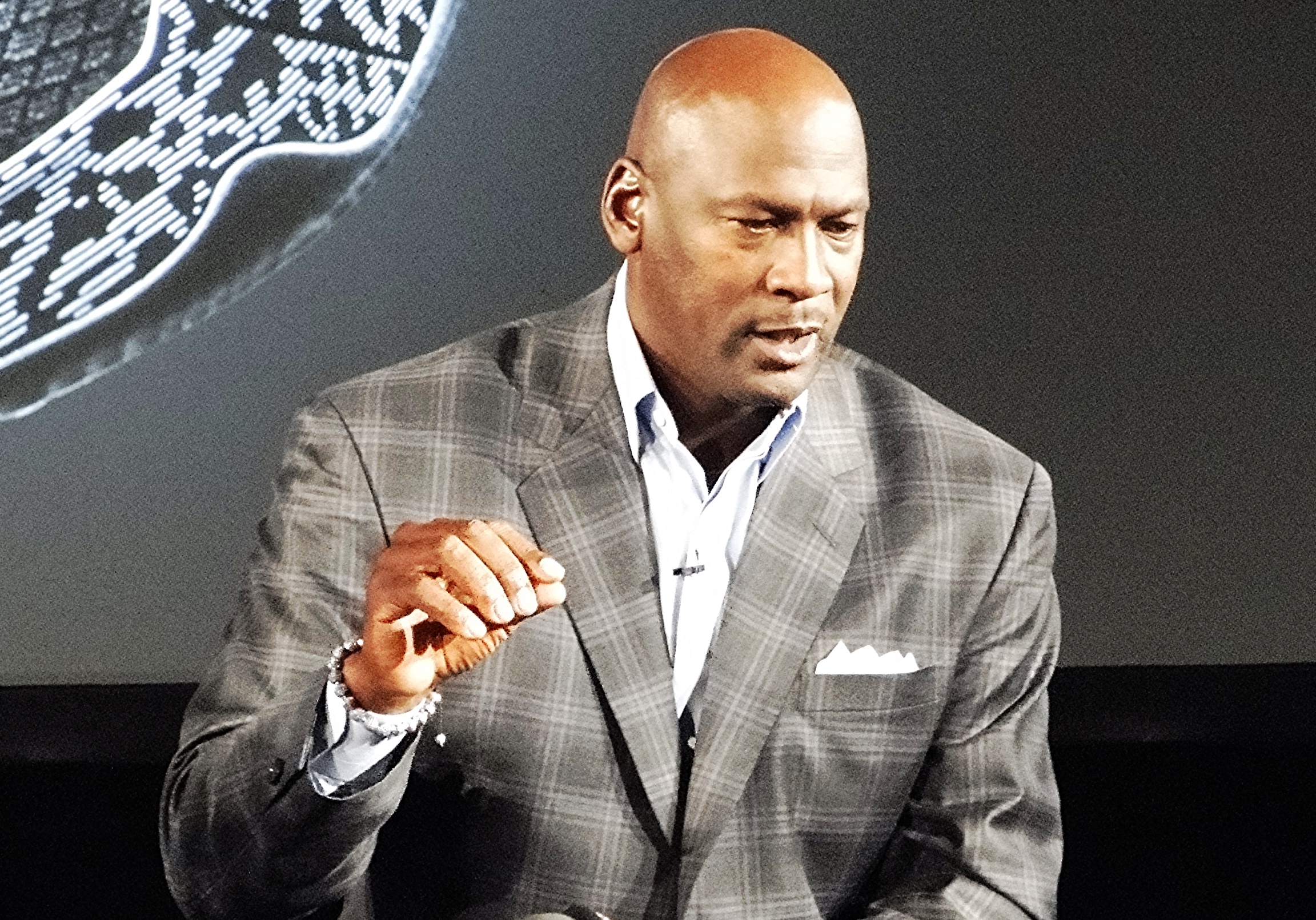
Jordan cards can look obvious from a distance, but the best decisions come from knowing which market segment, grade, and buyer pool you are actually entering.

The Jordan market is deep, but strong decisions still depend on exact-card comparison, condition evidence, and realistic buyer depth.
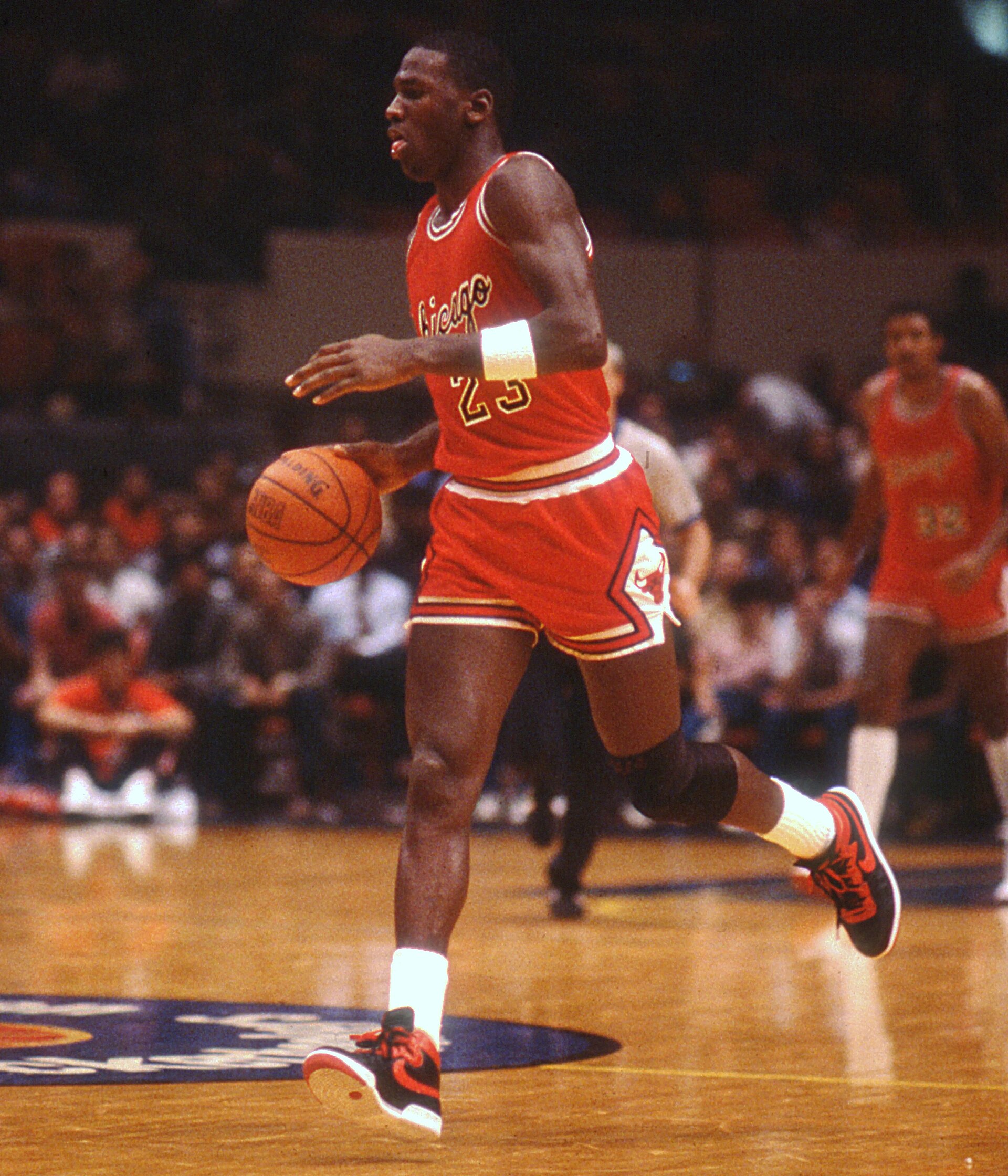
The Jordan market rewards collectors who can separate strong cards from weak listings, vague comps, and seller-driven urgency.
Jordan demand is deep, but collectors still need to judge the exact card, exact copy, and evidence behind the asking price.
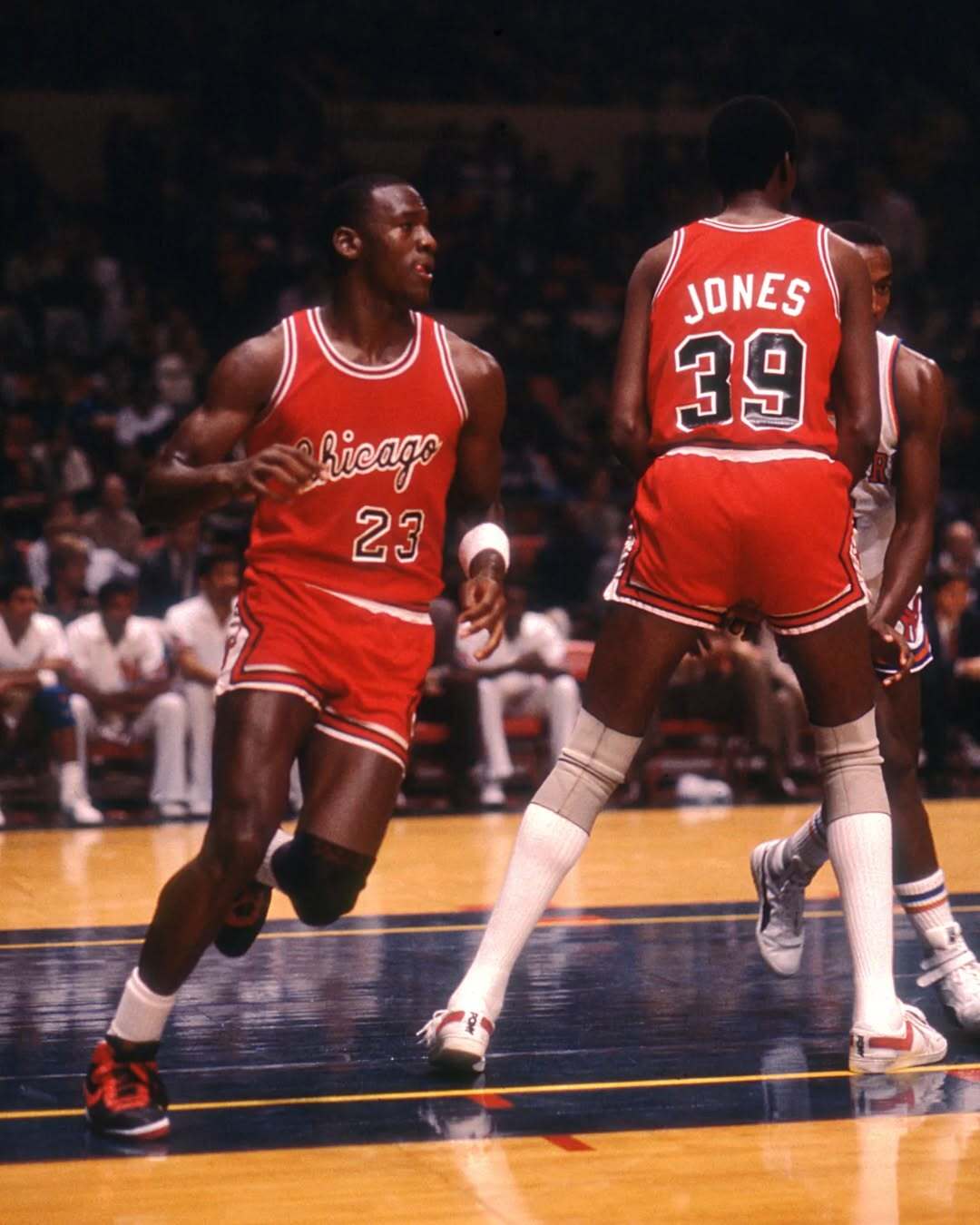
The Jordan market rewards specificity: exact card, exact copy, condition evidence, and realistic sales comparisons.
Collectors evaluating Michael Jordan need to separate name recognition from the exact card, exact copy, and evidence supporting the price.
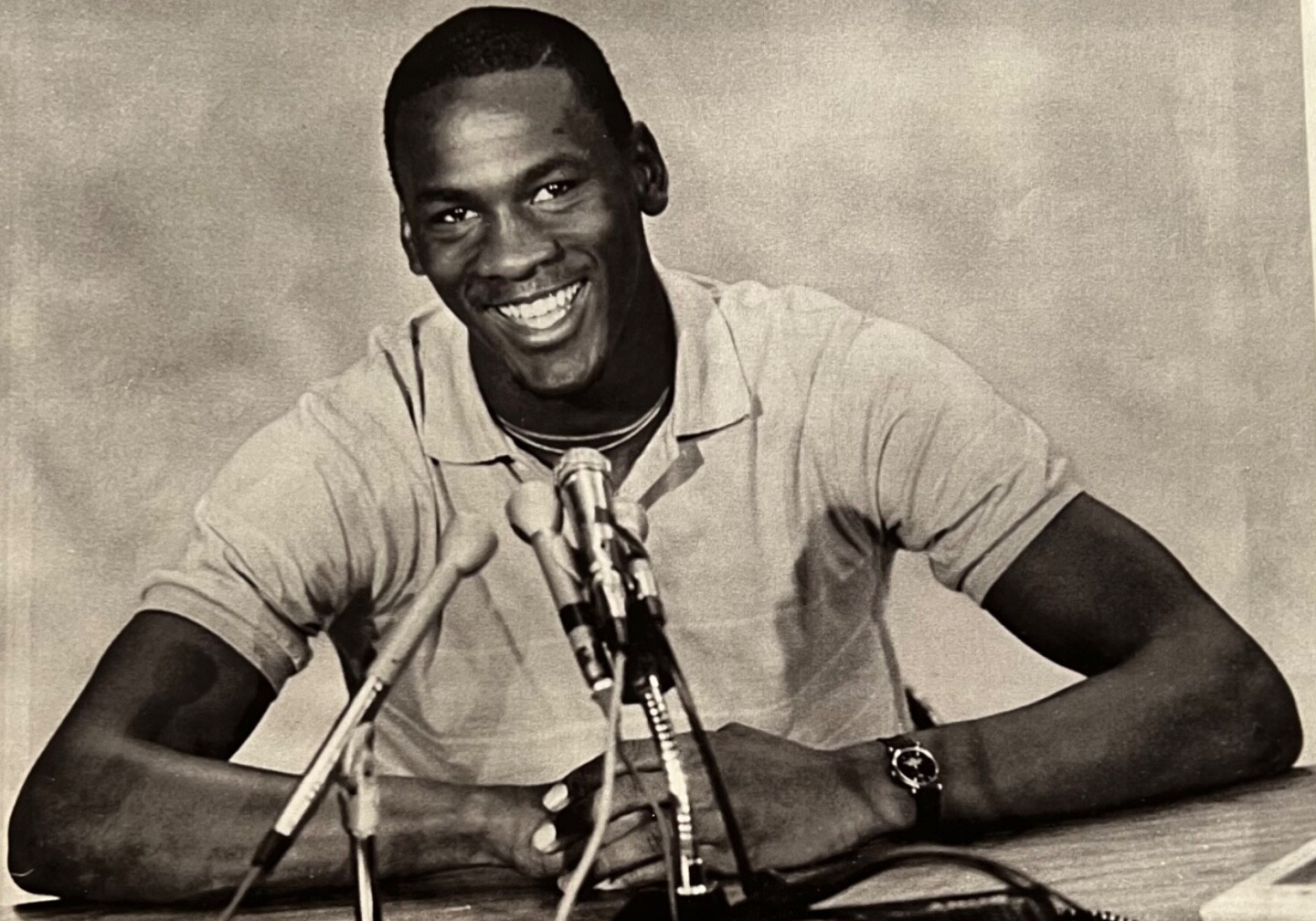
The Jordan market is still built on broad recognition, but mature collectors now separate the athlete's legacy from the exact card, grade, condition, and liquidity.
The Jordan market is deep, but collectors still need to separate broad name recognition from exact-card quality, condition, and liquidity.
Jordan is the broader collecting anchor, while Fleer Metal can be a strong lane when design, condition, and exact-card demand all line up.
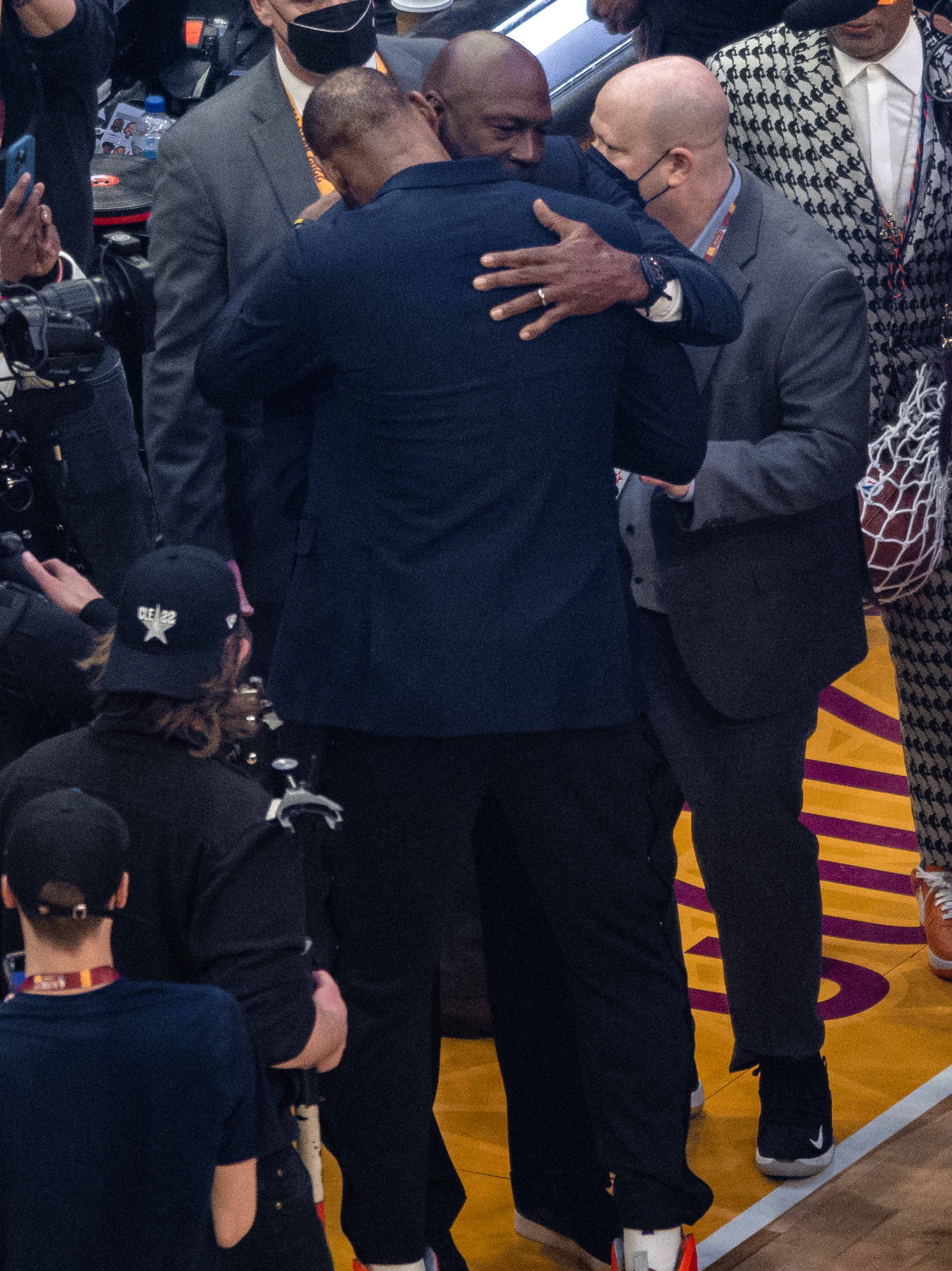
Jordan and LeBron both matter deeply to basketball collectors, but they reward different budgets, research habits, and collection goals.
Jordan is the broader collecting anchor, while Upper Deck can be a strong lane when the exact issue has identity, condition, and demand.
Jordan is an obvious collecting name, but the best beginner option is the card whose identity, condition, price, and role are easiest to defend.
Jordan usually wins on universal benchmark status, while Kobe can win on flexibility, budget range, and the ability to build gradually.
The best Michael Jordan entry points are not always the rarest cards. They are the cards that help collectors learn the market with cleaner evidence and fewer avoidable risks.
New Jordan collectors do better when early cards each have a job: one teaches grading, one teaches 1990s demand, one anchors the benchmark, and one stays personal.
Liquid Michael Jordan collecting favors cards with broad recognition, visible sales history, grading clarity, and enough demand to make pricing less speculative.
The most iconic Michael Jordan options are not just expensive cards. They are the cards collectors can recognize, authenticate, compare, and explain.
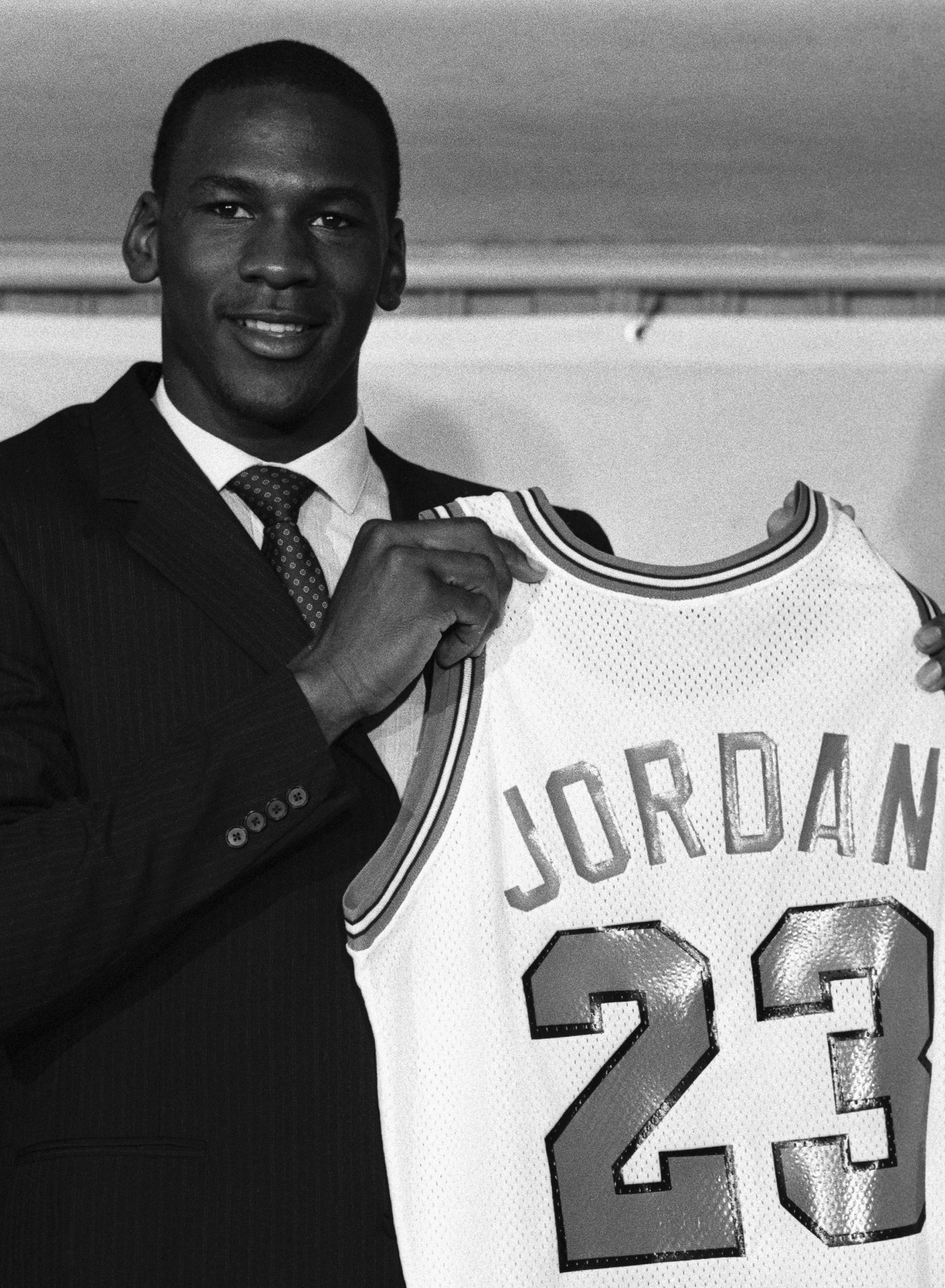
Michael Jordan collecting works best when budget decisions are paired with condition discipline, authenticity checks, and a clear sense of each card's role.
Long-term Michael Jordan collecting works best when buyers prioritize pieces that are recognizable, condition-transparent, authentic, and easy to explain.
New Michael Jordan collectors usually do better when they start with recognizable, easy-to-benchmark cards before moving into thinner or more speculative parts of the market.
Collectors evaluating Michael Jordan need to separate broad player importance from the specific card, condition, grade, and market evidence in front of them.
Collectors evaluating Michael Jordan need to understand card lanes, condition sensitivity, grading context, and buyer depth before comparing prices.
Collectors evaluating Michael Jordan need to separate player greatness from the specific card's identity, condition, liquidity, and role in the market.
Jordan cards reward careful collecting, but beginners can still overpay when they confuse player greatness with card-level strength, condition quality, and real buyer depth.
Michael Jordan cards are easier to judge when collectors separate player greatness from issue-level demand, condition quality, grading evidence, and realistic market depth.
Michael Jordan demand is powerful, but condition determines how much of that demand a specific card can actually capture.
Jordan cards can be highly collectible, but safe buying still depends on exact issue research, condition review, trustworthy certification, and realistic comparable sales.
Collectors evaluating Michael Jordan need a framework for separating player greatness from card-level strength, condition risk, liquidity, and long-term collection fit.
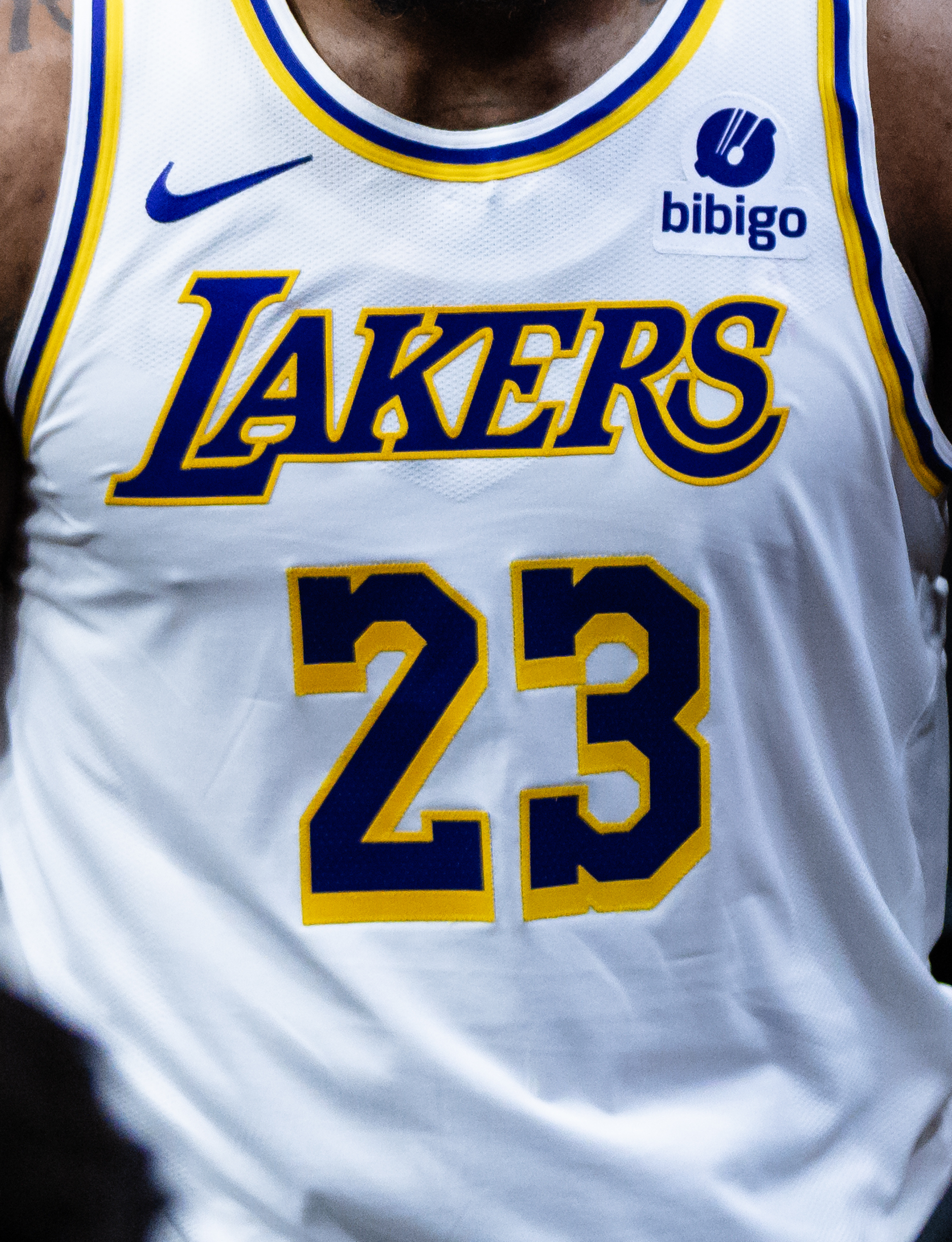
The LeBron James market has moved from broad star demand toward a more selective structure where exact card, condition, liquidity, and comparable sales matter more.
Collectors evaluating LeBron James need context on recognition, liquidity, condition sensitivity, and the trade-offs that shape real buying decisions.
Topps Chrome can be one of the clearest LeBron lanes, but it is not automatically better than a broader LeBron strategy for every collector.
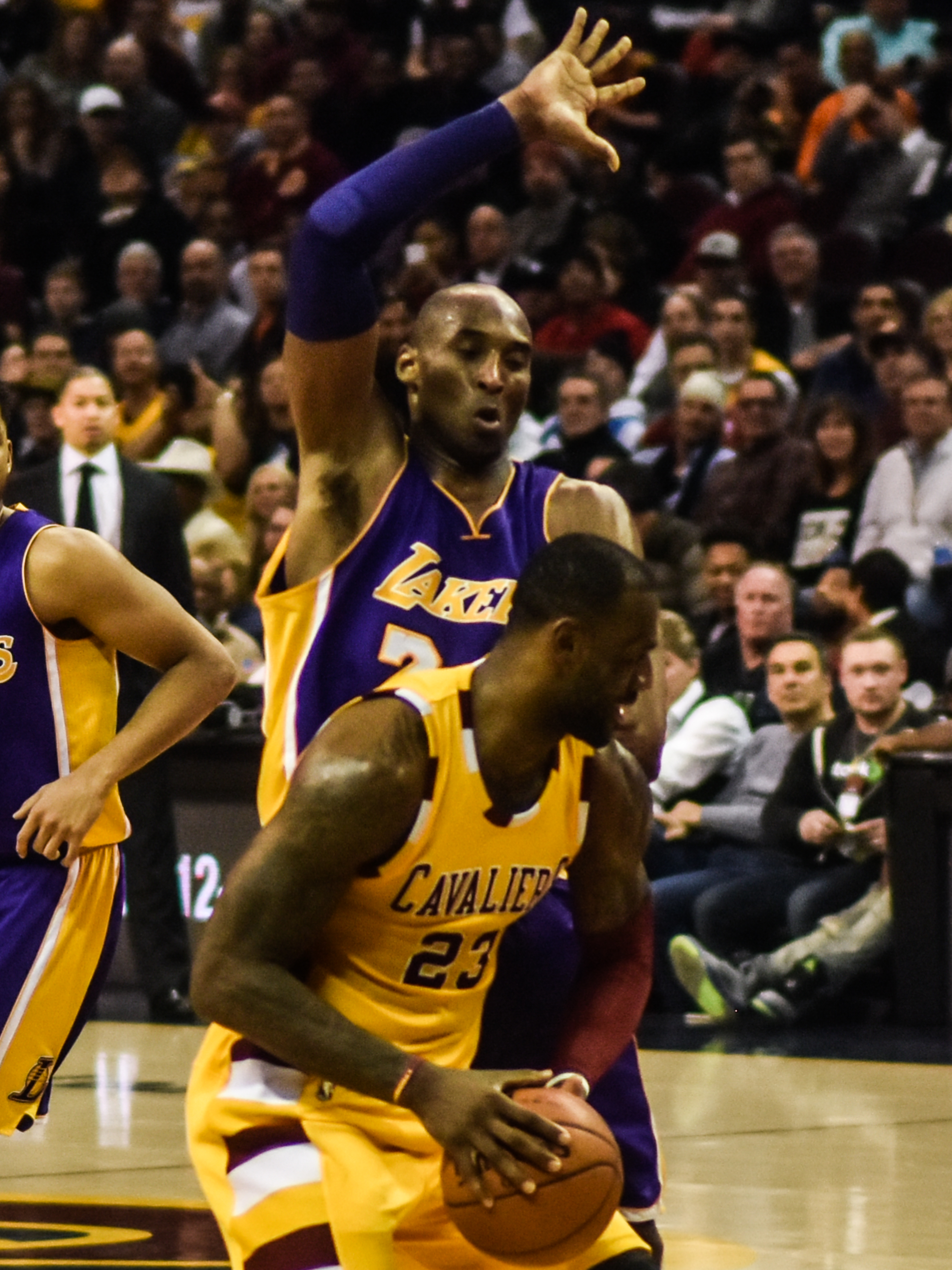
LeBron and Kobe can both anchor serious basketball collections, but they reward different budgets, research habits, and collecting goals.
Jordan and LeBron both matter deeply to basketball collectors, but their card markets reward different budgets, timelines, and research habits.

LeBron James cards and Exquisite cards can both matter, but they serve different collectors, budgets, and risk tolerances.
Before buying LeBron James cards, collectors should understand what the exact card is, how condition drives value, and whether the price is supported by real market evidence.
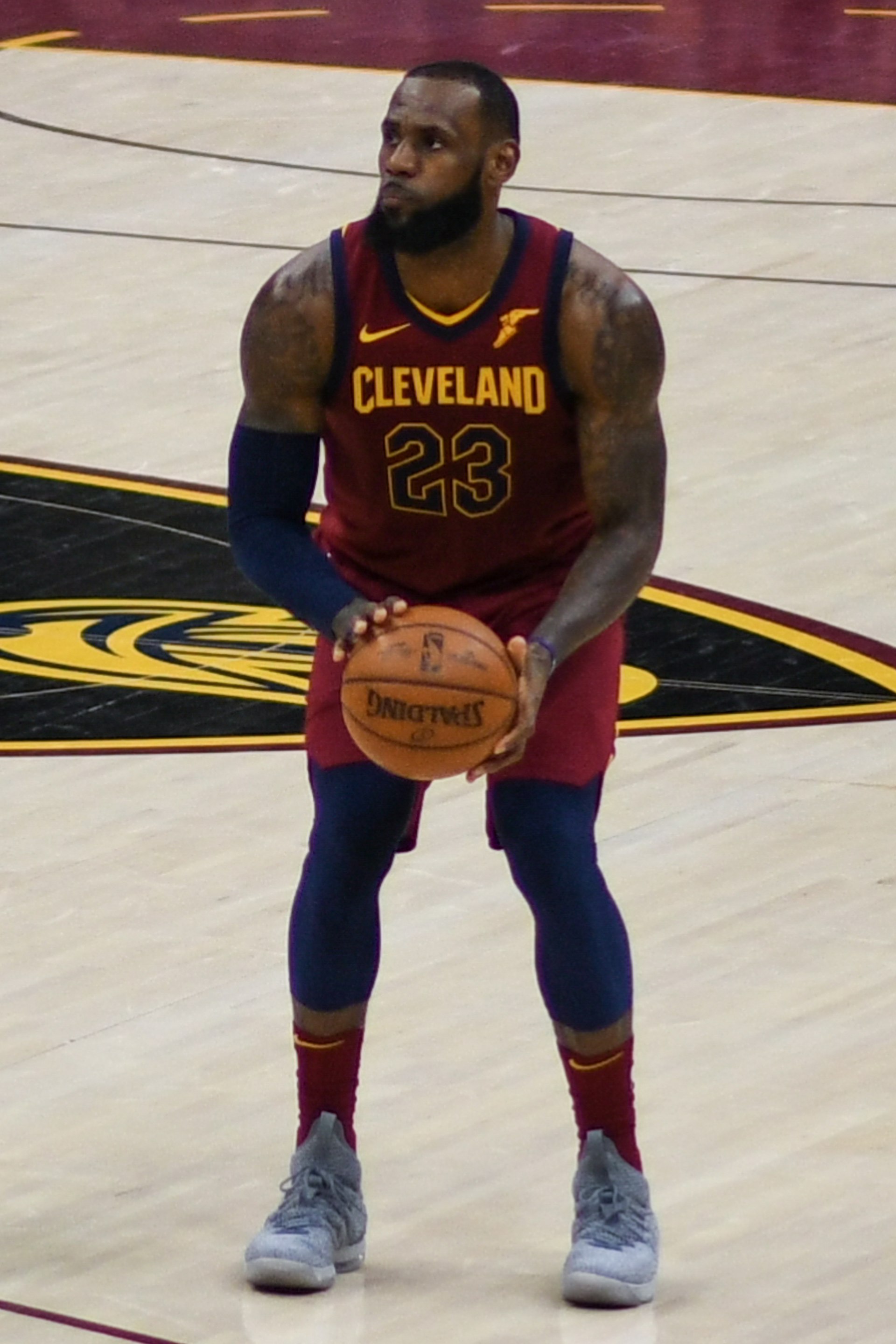
New LeBron James collectors can make better first choices by matching each card to a role, checking exact identity, and testing liquidity before chasing rarity.
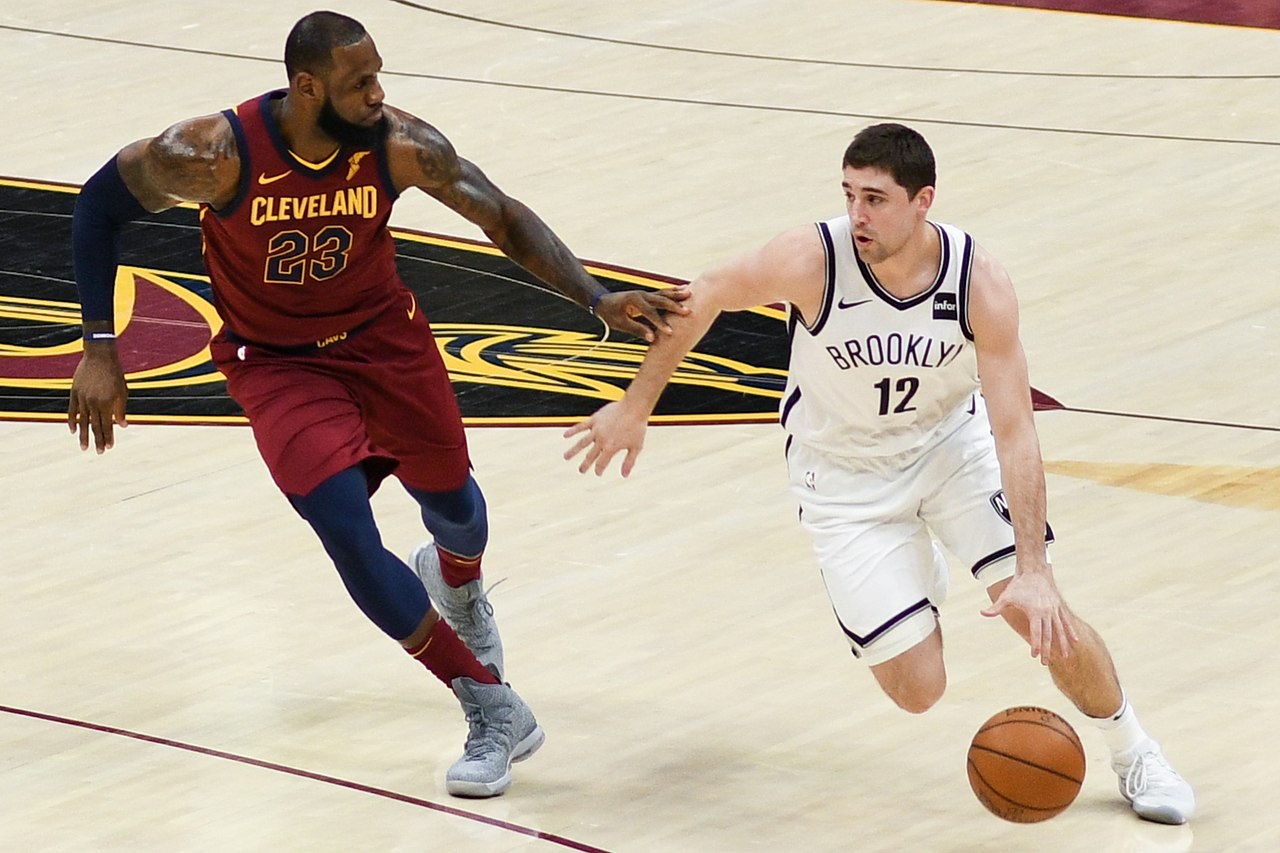
Buying LeBron James cards well means slowing down before the bid, proving the exact card, and making sure condition and market evidence justify the price.
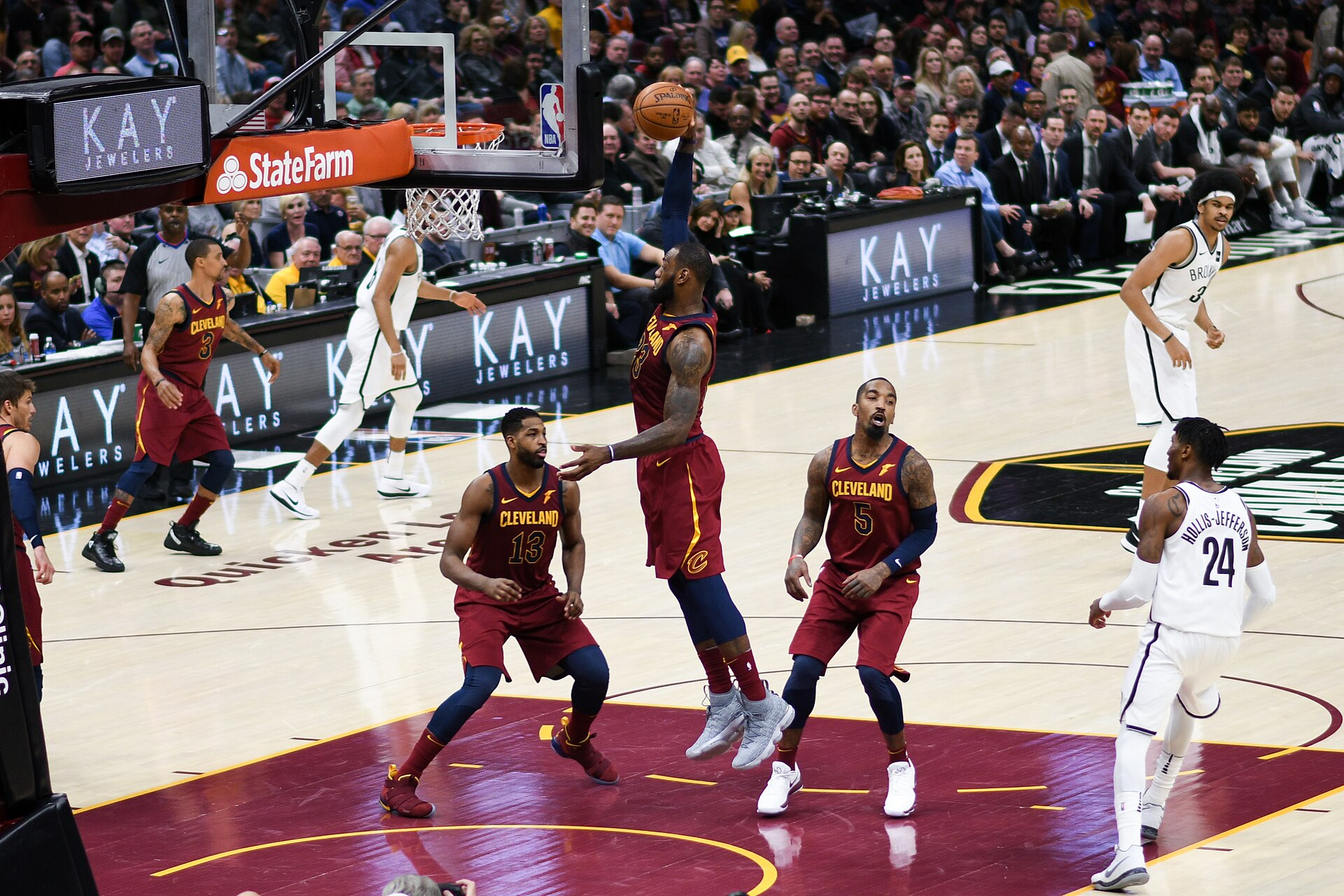
New LeBron James collectors usually make stronger choices when they build a short list by role, then compare exact card identity, condition, grade, and liquidity before buying.
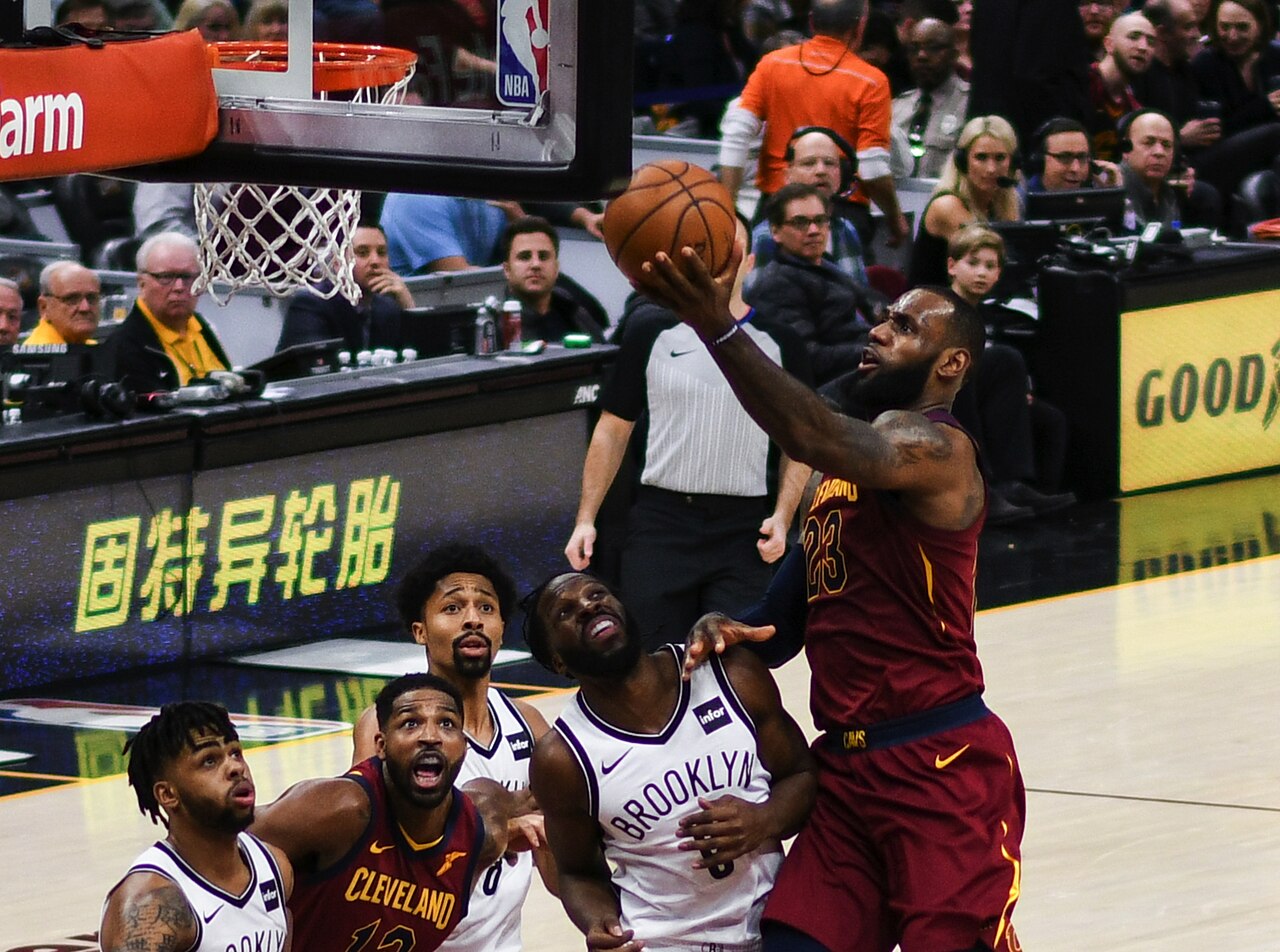
New LeBron James collectors can make calmer first purchases by choosing a card lane, checking exact identity, and comparing condition and liquidity before price.
New LeBron James collectors usually make better choices when they start with recognizable rookie-era cards and well-documented graded examples before moving into thinner premium lanes.
New LeBron James collectors usually make stronger choices when they build a short list by role, then compare exact card identity, condition, grade, and liquidity before buying.
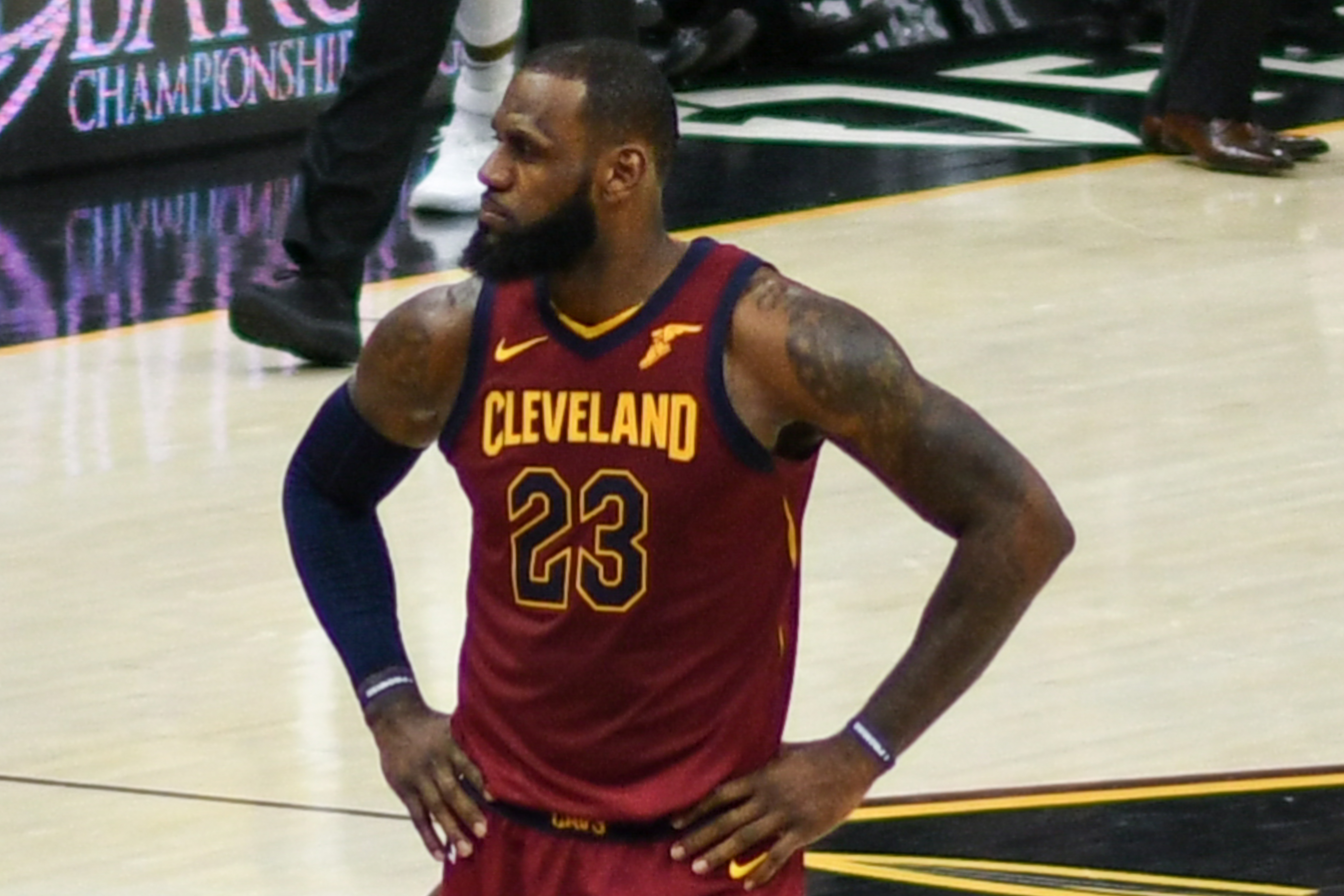
The strongest entry points into LeBron James cards are not always the flashiest choices. They are the cards that help collectors learn the market with cleaner evidence.
Liquid LeBron James cards are not always the rarest cards. They are the cards collectors can recognize, compare, explain, and move with less friction.
Long-term LeBron James collecting is strongest when the card can be explained by identity, condition, liquidity, and role rather than hype alone.
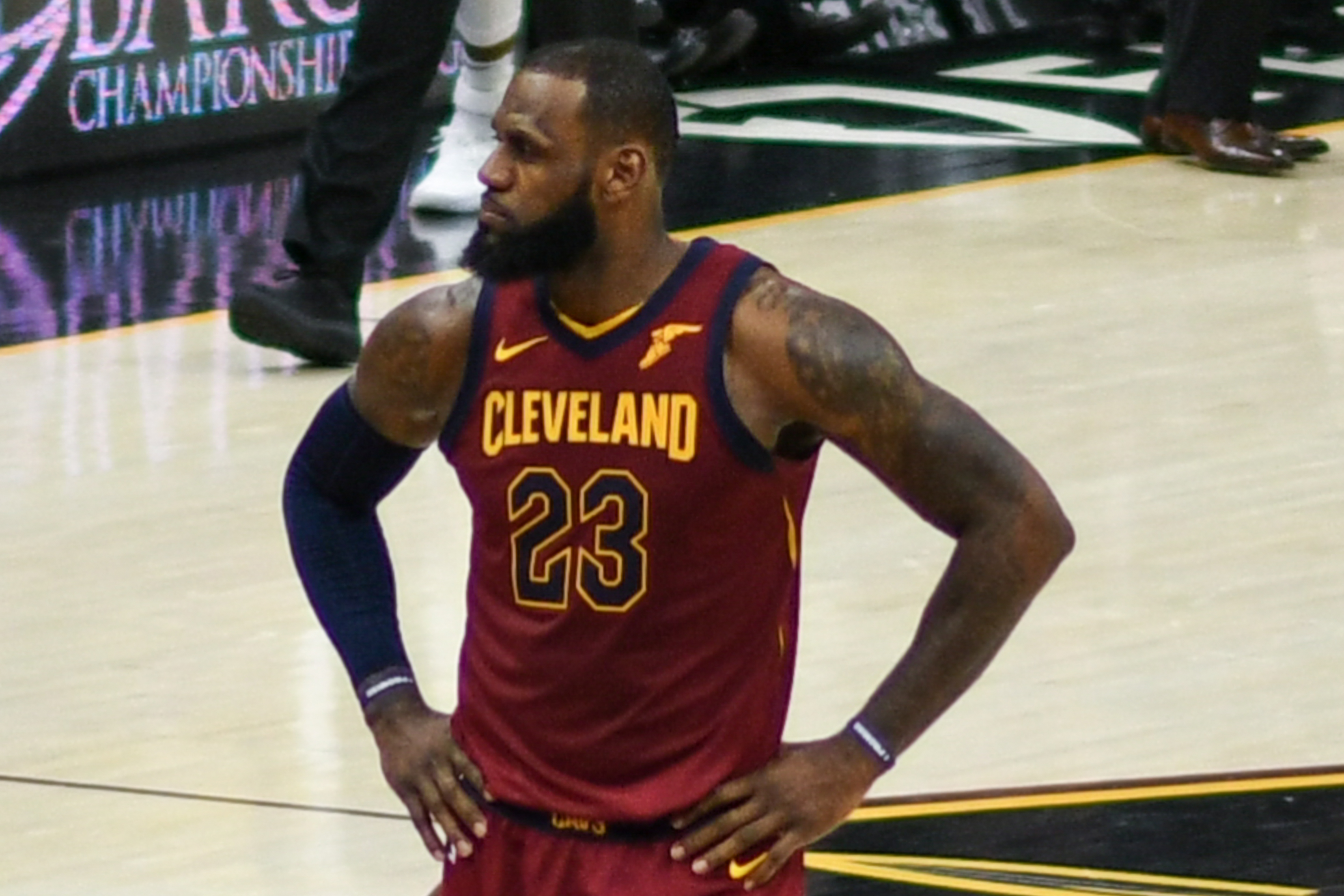
The most iconic LeBron James options are the ones collectors can recognize, explain, compare, and connect to his rookie year or larger career story.
New LeBron James collectors usually do better when they start with recognizable rookie-era cards and well-documented graded examples before moving into thinner or more expensive lanes.
LeBron James cards exist at many budget levels, but every tier still requires discipline around recognition, condition, grade, and comparable sales.
Collectors evaluating lebron james usually need context on recognition, demand, and the trade-offs that affect long-term satisfaction.
Collectors evaluating lebron james usually need context on recognition, demand, and the trade-offs that affect long-term satisfaction.
LeBron James card values can move sharply by condition because collectors price the exact copy, not only the player name.
Buying LeBron James cards safely means slowing down, checking the exact copy, and making sure the evidence supports the price.
Collectors evaluating LeBron James need context on recognition, demand, condition, liquidity, and the trade-offs that affect long-term satisfaction.
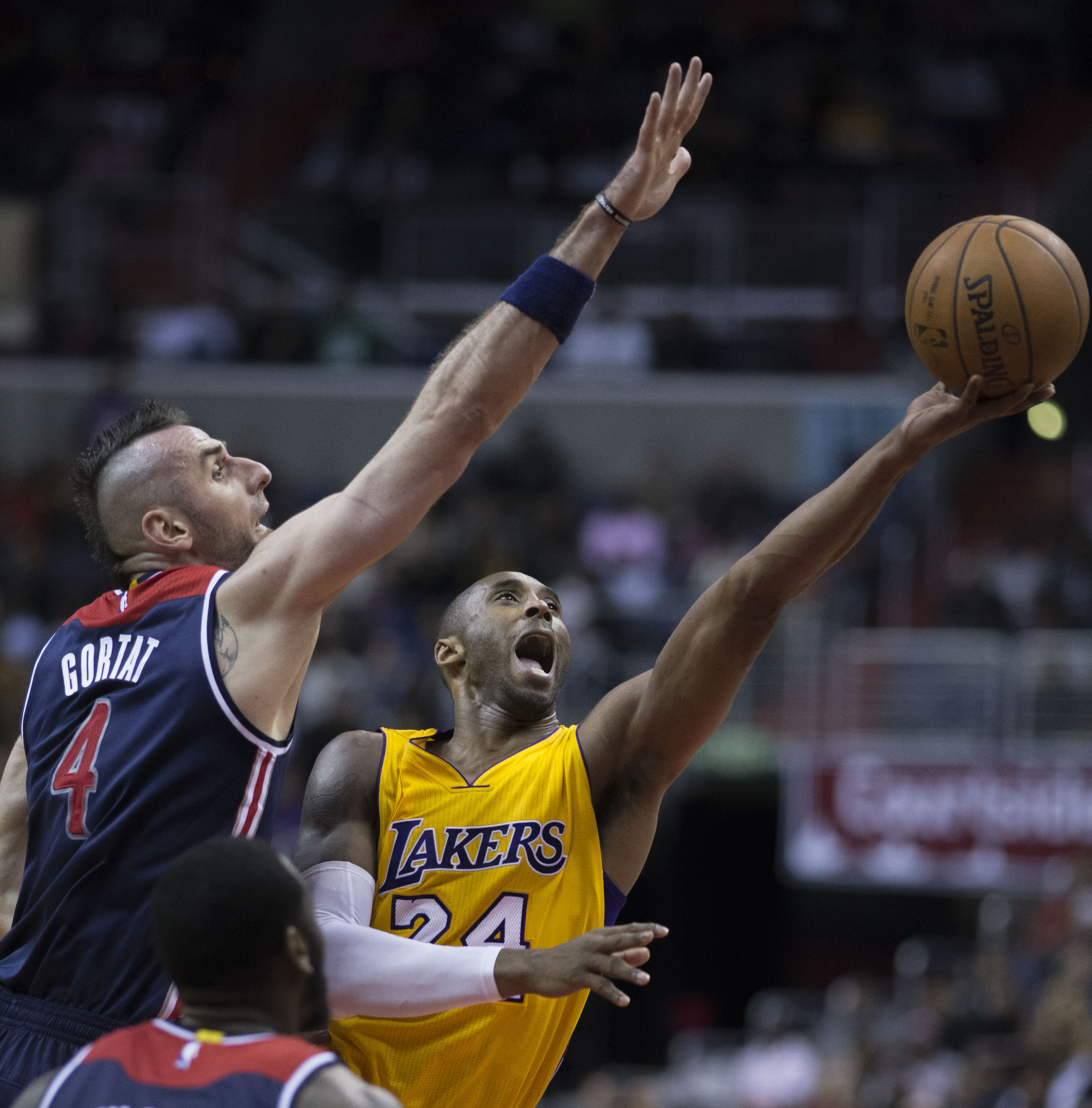
Collectors evaluating Kobe Bryant need context on recognition, demand, liquidity, and the trade-offs that affect long-term satisfaction.

The Kobe Bryant market has evolved from broad emotional demand into a more selective collector category where recognition, condition, and liquidity carry more weight.
Collectors evaluating Kobe Bryant need context on recognition, liquidity, condition sensitivity, and the trade-offs that affect long-term satisfaction.

Bowman's Best can be a smart Kobe lane for collectors who understand its base, refractor, and atomic refractor tiers, but it is not automatically better than collecting Kobe Bryant more broadly.
Jordan often wins on all-time card recognition, while Kobe can win on flexibility, budget range, and the ability to build a more varied 1990s basketball collection.
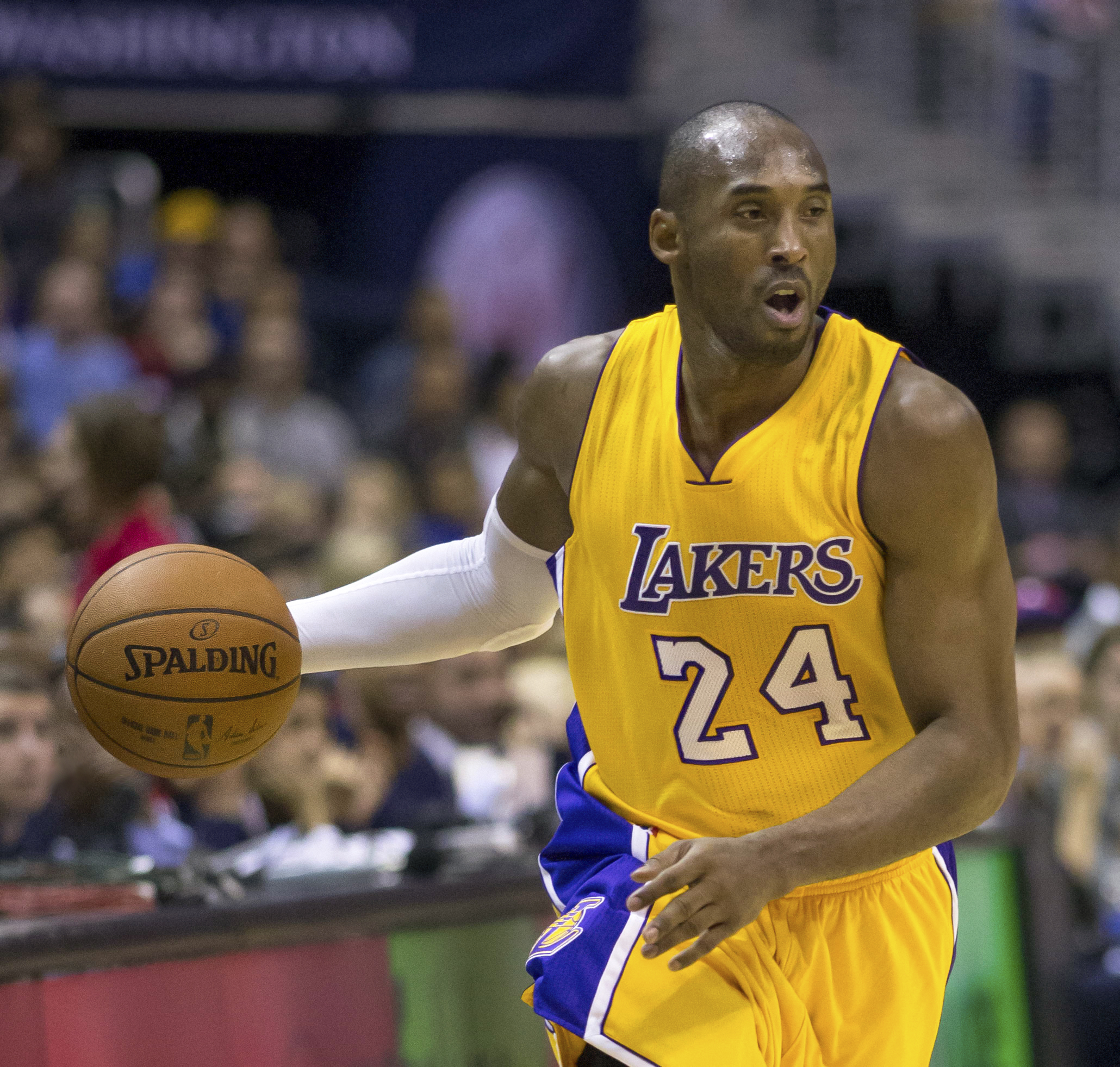
Kobe and LeBron can both anchor serious basketball collections, but they reward different collector goals and different tolerance for market complexity.

Topps Chrome can be one of the clearest Kobe lanes, but it is not automatically better than a broader Kobe strategy for every collector.
Collectors evaluating Kobe Bryant usually need context on recognition, demand, and the trade-offs that affect long-term satisfaction.
The most iconic Kobe Bryant options usually earn that status through broad recognition, lasting demand, and enough market depth for collectors to compare them clearly.

New Kobe Bryant collectors usually do better when they start with recognizable, easy-to-benchmark cards before moving into thinner or more speculative parts of the market.
The best Kobe Bryant buy often changes with budget, because lower-budget collecting rewards clarity while larger budgets demand more discipline around premium selection.
Collectors evaluating Kobe Bryant usually need context on recognition, demand, and the trade-offs that affect long-term satisfaction.

Collectors evaluating Kobe Bryant usually need context on recognition, demand, and the trade-offs that affect long-term satisfaction.
Collectors evaluating Kobe Bryant usually need context on recognition, demand, and the trade-offs that affect long-term satisfaction.
Collectors evaluating Kobe Bryant usually need a framework for avoiding emotional buys, weak comps, and cards the broader market understands less well than they think.
Kobe Bryant values make more sense when collectors compare condition, eye appeal, and real sales together instead of assuming every copy of the same card trades alike.
Buying Kobe Bryant cards safely means checking authenticity, condition, comparables, and liquidity before nostalgia gets to set the price.
Kobe Bryant cards make more sense when collectors compare recognition, condition, liquidity, and price discipline together rather than leaning on nostalgia alone.
BGS can be the right fit when subgrades, presentation, and card-specific market preference all line up. But many collectors do better when they answer the broader grading question before choosing a company.
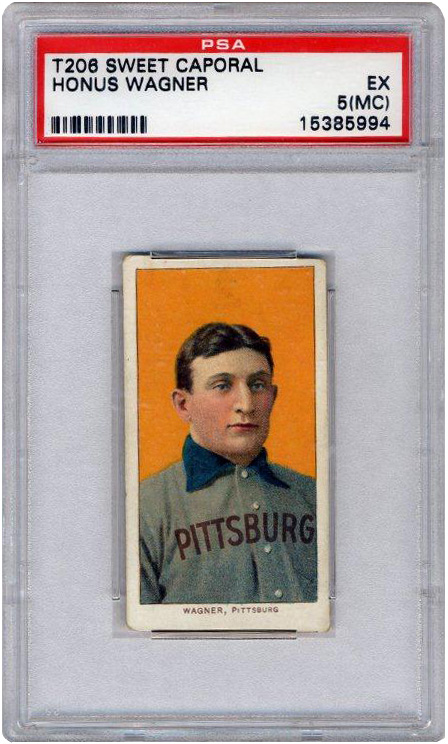
SGC can be the right fit when trust, grading practicality, and card-specific market logic line up. But many collectors do better when they answer the broader grading question before choosing a company.
For many collectors, PSA is the easiest market language. But the stronger decision often begins one step earlier: does this card deserve grading, and if it does, is PSA really the best fit?
The better choice is usually not graded versus raw in the abstract. It is whether this specific card becomes stronger with market-ready certainty or with lower-cost optionality.
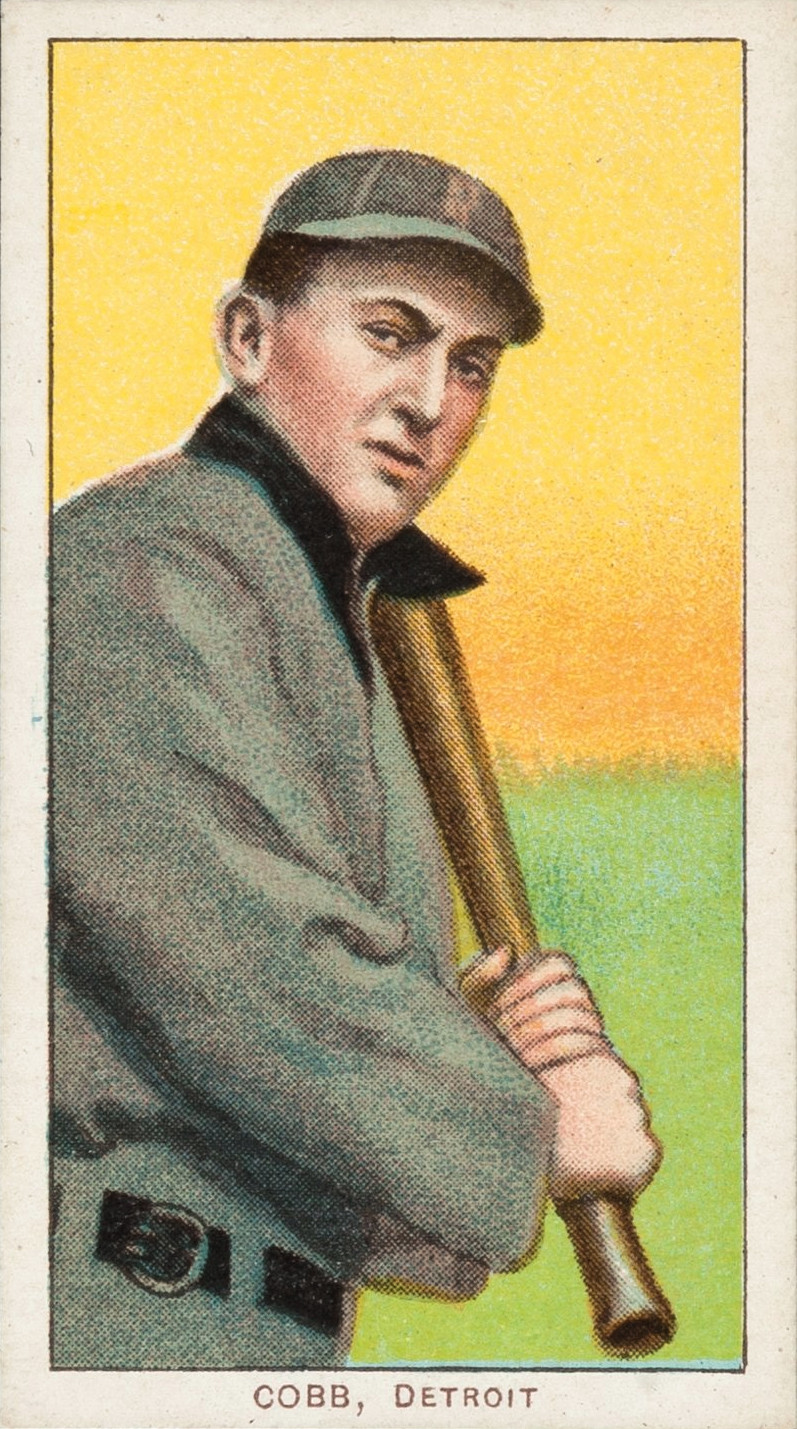
Collectors evaluating card grading usually need context on recognition, demand, and the trade-offs that affect long-term satisfaction.
Collectors evaluating card grading usually need context on recognition, demand, and the trade-offs that affect long-term satisfaction.

Collectors evaluating card grading usually need context on recognition, demand, and the trade-offs that affect long-term satisfaction.
Collectors evaluating card grading usually need context on recognition, demand, and the trade-offs that affect long-term satisfaction.
Collectors evaluating card grading usually need context on recognition, demand, and the trade-offs that affect long-term satisfaction.
Collectors evaluating card grading usually need context on recognition, demand, and the trade-offs that affect long-term satisfaction.
Collectors evaluating card grading usually need context on recognition, demand, and the trade-offs that affect long-term satisfaction.
Collectors evaluating card grading usually need context on recognition, demand, and the trade-offs that affect long-term satisfaction.
Collectors evaluating card grading usually need context on recognition, demand, and the trade-offs that affect long-term satisfaction.
Collectors evaluating card grading usually need context on recognition, demand, and the trade-offs that affect long-term satisfaction.
Collectors evaluating card grading usually need context on recognition, demand, and the trade-offs that affect long-term satisfaction.
Collectors evaluating card grading usually need context on recognition, demand, and the trade-offs that affect long-term satisfaction.
Collectors evaluating card grading usually need context on recognition, demand, and the trade-offs that affect long-term satisfaction.
Collectors evaluating card grading usually need context on recognition, demand, and the trade-offs that affect long-term satisfaction.
Collectors evaluating card grading usually need context on recognition, demand, and the trade-offs that affect long-term satisfaction.
Glossary Entities
These entity pages help readers move from broad curiosity into precise market language.
sports cards
population report
A grading-company count of how many copies of a card have been graded at each level.
sports cards
PSA 10
A Gem Mint grade from PSA indicating a top-tier example with exceptional eye appeal and condition.
cross category
grading spread
The price difference between the same collectible at different grades or condition levels.
sports cards
refractor
A shiny parallel card finish that usually carries stronger demand than the base version.
sports cards
patch card
A memorabilia card that contains a multicolor or textured piece of player-worn or associated material.
sports cards
rookie card
The first widely recognized card issued for a player in a mainstream release.
cross category
provenance
Documented ownership and source history attached to a collectible.
FAQ
Short answers help readers understand the topic boundary quickly.
They often pay for the slab without checking the population data, eye appeal, or whether the premium over lower grades is actually justified.