Answer-first summary
Reserve delivery, charges, and protection before setting a card-price limit. Research Obsidian Flames #125 or promo #056 for a modest modern purchase, Celebrations #4 for nostalgia, #223 for illustration, and Base Set Unlimited #4 for original-era collecting. Each candidate must fit a verified delivered quote; the example budgets are spending limits, not market prices.
Which Charizard fits your budget?
For a tight character-card budget, shortlist Obsidian Flames Charizard ex #125 or the Scarlet & Violet promotional Charizard ex #056, then buy whichever acceptable copy leaves room for delivery and protection. For nostalgic artwork, consider Celebrations Charizard #4. For an illustration-focused purchase, evaluate Obsidian Flames #223. For original-era ownership, investigate English Base Set Unlimited #4 before considering more demanding historical variants. These are conditional recommendations: the actual delivered price determines whether any candidate fits.
A budget should decide how much you can comfortably spend, what the card must provide, and which compromises you will accept. It should not tell you to buy a more expensive card simply because you have money left. A modest modern single can be the right final choice even for someone able to afford vintage. Conversely, buying several substitutes can delay the one card you really want.
This guide compares allocation choices rather than publishing a live price list. The dollar amounts below are hypothetical total spending ceilings, not verified prices for the named cards. Official references support card identities; our selection and budget recommendations are editorial judgments. Recheck matching completed sales before purchasing, especially when changing language, condition, or grading format.
A budget ladder that starts with total cost
| Illustrative total ceiling | First shortlist to investigate | Spend on | Avoid sacrificing |
|---|---|---|---|
| $50 | Obsidian Flames #125 or promo #056, if a suitable copy fits | A clearly identified raw single and safe delivery | Authenticity checks or basic protection |
| $200 | The modern shortlist or Celebrations #4, subject to current quotes | Preferred artwork and documented condition | A reserve for shipping, tax, and returns |
| $600 | Obsidian Flames #223 or a researched Base Set Unlimited copy, if affordable | One deliberate centerpiece | Exact printing identification and surface photographs |
| $1,500 or more | A better-fitting Unlimited copy, or a specialist vintage shortlist | The specific history, condition, or format you want | Verification and your personal spending limit |
These ceilings illustrate how to organize a decision. They do not assert that every card in a row can currently be bought for that amount. If the desired copy exceeds the ceiling after fees, remove it from that shortlist or wait. Do not silently change from clean condition to damage, from one language to another, or from a verified copy to an uncertain listing just to make the table work.
Write your ceiling in the currency you actually use. Include card price, delivery, applicable tax or import charges, and a suitable sleeve and holder. Grading, if genuinely part of the collecting plan, requires its own allowance. A listing below your ceiling can still become an over-budget purchase when these costs arrive at checkout.
Small budgets: ordinary modern singles before prestige
The official Obsidian Flames checklist lists Charizard ex #125 separately from #223. The official promo register also identifies Charizard ex #056. These provide two specific identities to research when you want a modern Charizard without making elaborate illustration or original-era history the main buying requirement.
Our first choice at this level is an acceptable raw single from whichever of these candidates best fits your total ceiling and visual preference. Raw means the card is sold without a third-party grading holder. The advantage is control: you choose a particular card instead of paying for the possibility of pulling one from packs. Compare the standard English versions named here; a promotional number and an expansion number are different identities.
The trade-off is that a relatively simple card may not provide the dramatic display you had imagined. Look at the artwork before looking at the discount. If your interest is really the #223 illustration, ask whether #125 would still earn a place in your binder after you eventually obtained #223. A yes makes it a reasonable separate purchase; a no suggests saving toward the target.
On a small budget, delivery and seller quality can matter more than a tiny difference between asking prices. A cheaper copy with vague condition and expensive shipping can lose to a slightly higher-priced copy with clear photographs and straightforward terms. Request images of the actual front and back, rather than accepting a product picture as evidence of the offered copy.
Do not assume that a promo is always cheaper than an expansion card, or that either candidate is always available within $50. Those are market questions requiring current comparisons. If neither fits, waiting is a valid outcome. Spending the whole ceiling on an unidentified bargain defeats the reason for choosing a manageable modern purchase.
Moderate budgets: decide whether nostalgia deserves the allocation
The official Celebrations reference identifies Charizard #4 in the Classic Collection and credits Mitsuhiro Arita. This is our nostalgic-artwork candidate when you want the familiar design but do not require ownership of an original Base Set printing. Compare it with your modern shortlist using actual delivered offers, not an assumed price hierarchy.
The collecting advantage is that the picture and the historical release can be treated as separate preferences. A collector who mainly wants that familiar image may be happy with Celebrations. Someone building an original Base Set needs the original issue. Neither choice is superior merely because another collector places more importance on age.
Condition should follow how you will enjoy the card. For a binder, a visually pleasing raw copy may serve the goal well. For display in a grading holder, compare the additional cost of an already graded copy with the value that format has for you. Do not buy raw under the assumption that it will receive the highest numerical grade later.
Inspect reflective areas under angled light and ask about marks that a straight-on photograph can hide. Decide in advance whether reverse whitening, surface scratches, or centering would bother you. A seller's condition label cannot make those choices for you. An affordable copy that disappoints every time you view it is a poor fit even if its price was competitive.
Use the moderate ceiling to buy a better match, not automatically a bigger bundle. Three unrelated Charizards can consume money that would have bought the exact image you wanted. Before adding another card to the basket, identify its role: completion of a planned page, a different illustration, or a companion character. If there is no role, keep the money available.
Larger budgets: special illustration or original-era ownership?
Obsidian Flames #223 appears in the official expansion checklist, and Pokémon's card reference identifies its special illustration and artist AKIRA EGAWA. It is our candidate for an illustration-led centerpiece. Buy it because that artwork suits your collection and the particular copy meets your condition standard, rather than because a premium rarity label guarantees better resale.
The principal trade-off is concentration. One illustration card may consume the money available for an entire binder page. That can be worthwhile for someone who wants one display object, while a collector who enjoys comparing several releases may prefer a less expensive centerpiece plus companions. Treat both as allocation choices and compare what you would actually own afterward.
An English Base Set Unlimited Charizard #4 belongs on a different shortlist: original-era collecting. PSA's Base Set reference is an identification starting point. Research the precise printing before evaluating any offered copy. Familiar artwork is insufficient, and English printing categories should not be transferred automatically to cards in other languages.
With vintage, your budget may buy more visible wear than you expected. That does not automatically make the purchase wrong. A complete, honestly described copy with acceptable wear can satisfy a historical collection better than a pristine modern substitute. The decisive issue is whether you deliberately accepted those defects and priced the actual copy accordingly.
Write a defect policy before bidding. You might accept reverse whitening but reject a crease, indentation, trimming concern, or evidence of alteration. Ask for photographs that can test that policy. If a card exceeds your ceiling in the condition you want, choose between waiting and a consciously lower condition target. Avoid disguising the latter as an unexpected bargain.
High budgets: pay for a specific distinction
A larger ceiling creates options, but it does not create an obligation to buy first edition or shadowless. PSA's shadowless entry illustrates that historical varieties have separate reference identities. Establish which distinction matters to your collection before commissioning a search or paying a premium.
For some collectors, the better use of extra money is a more attractive Unlimited copy, clearer provenance, or a holder they prefer. For others, a particular historical printing is the goal itself. Ask what you are paying to change: the image, the issue, the condition, the presentation, or the confidence in the transaction. If you cannot name the difference, postpone the upgrade.
A grading label is useful information, but the offered card and holder still need to match the certification record. Check the cert through the grading company's own service, compare available images, and investigate discrepancies. A copied number in a listing is not enough. For a substantial purchase, unresolved identity or authenticity questions should stop payment rather than merely reduce your offer.
Do not use a population count as a substitute for researching transactions. It describes a grading record within its scope, rather than all surviving cards or the number of buyers waiting today. Nor does a prestigious grade remove condition preferences: two examples with the same numerical grade may differ in how their centering or visible flaws appeal to you.
Build an allocation sheet before browsing
Consider a hypothetical $200 ceiling. You might reserve $25 for delivery and charges and $10 for protection, leaving $165 as a card-price limit. Those numbers are arithmetic examples, not claims about typical fees. Replace them with real checkout costs for your location. If charges exceed the reserve, lower the allowable card price instead of increasing your total by accident.
For a hypothetical $600 ceiling, the same method applies even if you want a single centerpiece. Record the required format, acceptable defects, and exact language next to the ceiling. Add any planned grading or insured delivery before calculating the maximum offer. The point of a larger budget is to support your collecting choice, not to make omitted costs less visible.
Keep a separate line for companion cards. Pikachu and Blastoise are useful reference points from the idea's shortlist: they help test whether you want a Charizard-only display or a broader Pokémon collection. They are not substitutes for Charizard comparable sales. If adding them makes the Charizard target unaffordable, decide which goal takes priority before shopping.
An allocation sheet also prevents repeated upgrades from hiding the true cost of collecting. Record what you paid for the current card, what a replacement would cost, and any realistic selling expenses. Do not assume the old copy will immediately sell for your purchase price. If an upgrade depends on that sale, complete the sale or retain enough room to hold both.
Compare prices without mixing different cards
Create a comparison record with release, card number, language, printing where relevant, finish, raw or graded status, and actual condition. A search for the character alone will return too many different products. Remove sealed boxes, oversized cards, bundles, metal commemoratives, and other formats when your target is a standard paper single.
Prefer matching completed transactions over unsold asking prices. Note transaction date, shipping treatment, grading company and grade where applicable, and any visible defects. Mark uncertain results rather than forcing them into an average. If the sample is sparse or the accepted offer cannot be verified, acknowledge the uncertainty and avoid presenting a precise value as established.
Liquidity is another question to investigate, not a promise attached to the Charizard name. Look for repeated comparable transactions over a useful period and consider whether selling fees and shipping would be material. This guide does not measure sales velocity or rank the picks by transaction volume. A card can have recognizable artwork while still taking time to sell at your chosen price.
When two candidates compete for the same money, compare like-for-like total costs and then the collecting benefit. Ask whether the illustration premium matters more than original-era ownership, or whether a holder matters more than a second card. A cheaper alternative is helpful only when it still satisfies the requirement you wrote down.
Test the shortlist with two real offers
Imagine that your shortlist contains a raw modern card with good photographs and a graded nostalgic card that would use nearly the entire ceiling. Write down what each offer actually changes. The graded card may provide the presentation you want, but its holder does not automatically make its artwork more enjoyable. The raw card may leave money for a companion page, but that saving is irrelevant if the nostalgic image was your main requirement.
Then remove one uncertainty from each offer before comparing them again. Request an angled surface photograph for the raw card and verify the certification and holder images for the graded card. Calculate both delivered totals using the same currency and include charges that the seller has not built into the headline price. Decide whether each copy passes your defect policy before comparing price differences.
If both pass, choose the one that best fulfills the written collection goal. If neither passes, keep the budget unspent and improve the shortlist. This exercise works at any ceiling because it separates an attractive price from a suitable purchase. Record the rejected option and the reason, so that the same tempting compromise does not restart the decision next week.
A purchase checklist for every tier
Before paying, confirm that the description, card number, language, and photographs agree. Ask about damage and alterations explicitly. Read seller terms for returns, delivery, and resolving a misdescribed item. Choose payment and marketplace processes that let you keep a clear transaction record, and save the listing and correspondence alongside your collection notes.
If you need more help separating versions, use the complete Charizard collector guide. For the transaction itself, review how to buy Charizard safely. These checks apply to modest purchases too, although the time and verification expense should remain sensible for the amount involved.
After arrival, compare the received card with the saved listing before accepting it into your collection. Photograph unexpected defects promptly and follow the seller or platform process if the item is misdescribed. Store an accepted card in suitable protection and keep it away from direct sunlight and avoidable moisture. A good buying decision includes what happens after payment.
How we chose these picks
We prioritized recognizable Charizard releases that illustrate different uses of a limited budget: straightforward modern ownership, nostalgic artwork, a special illustration, and an original-era collection. The sources establish identities and reference categories. The comparison itself is our editorial assessment of collecting purpose, condition sensitivity, and the practical ability to seek matching transactions.
We considered liquidity and long-term relevance as research questions, not measured advantages or price forecasts. There is no live sales dataset behind these tiers, and the illustrative ceilings are not market valuations. Pikachu and Blastoise remain companion planning examples rather than ranked Charizard purchases. Revisit the shortlist whenever actual quotes, your condition standard, or your collection goal changes.
Conclusion
Start with the total amount you can comfortably spend and the experience you want from owning the card. Research #125 and promo #056 for a modest modern purchase, Celebrations #4 for familiar artwork, #223 for an illustration centerpiece, and Base Set Unlimited #4 for original-era collecting. Choose only when the exact copy fits both the purpose and the delivered-cost ceiling; waiting is better than paying for an unwanted compromise.
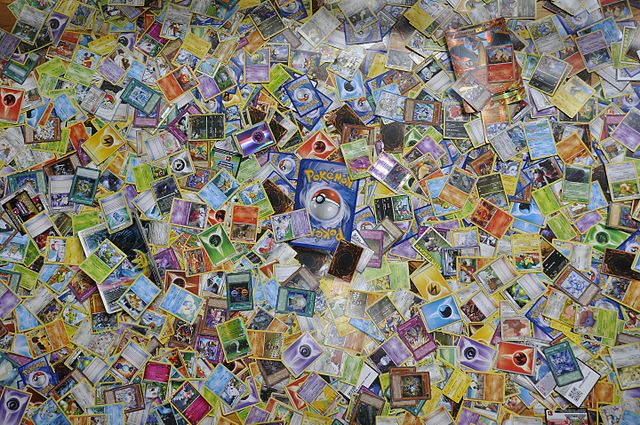
Photograph: MIKI Yoshihito, Pokémon card battle, used under Creative Commons Attribution 2.0, unchanged. The image shows general Pokémon play, not one of the recommended Charizard cards.