Answer-first summary
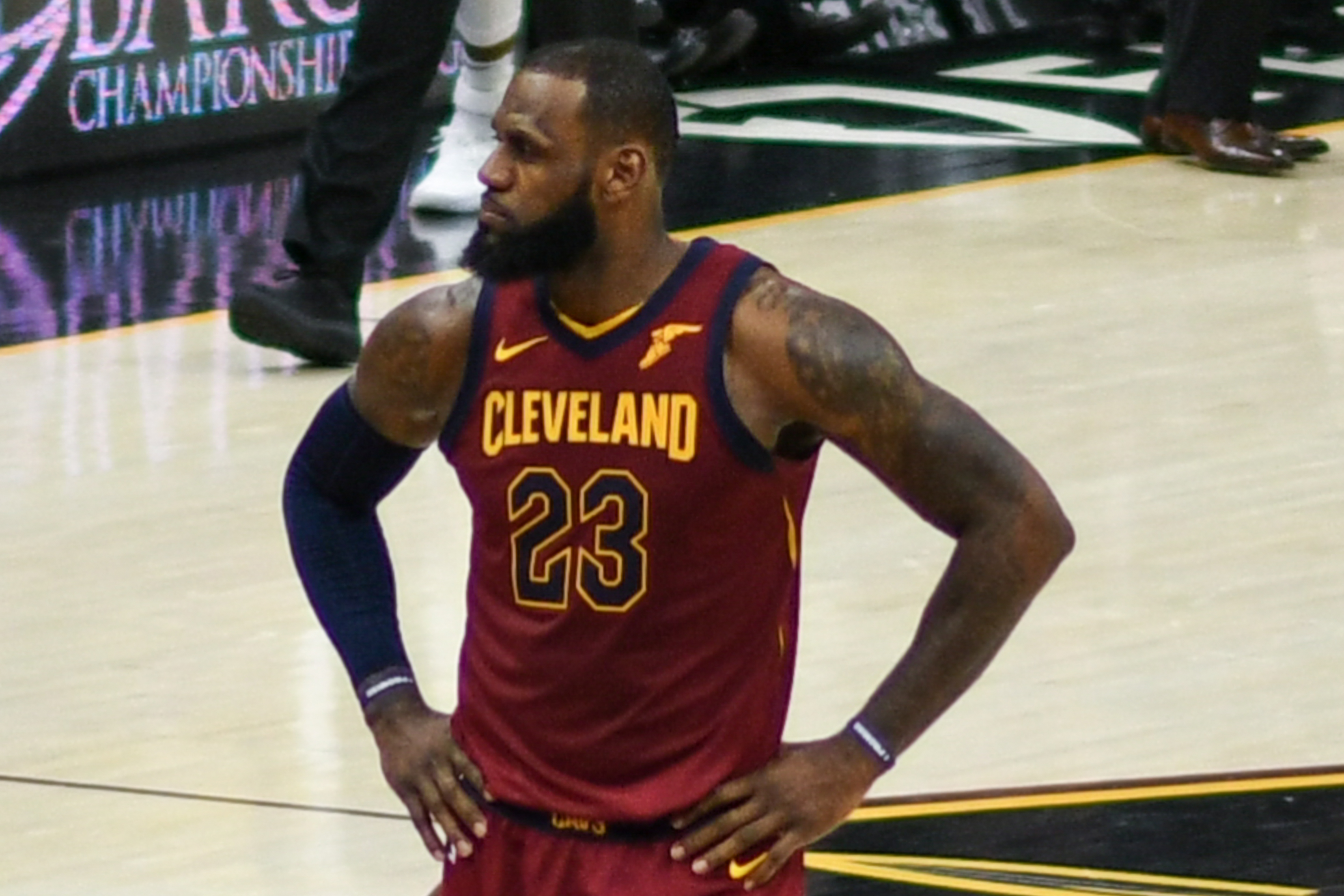
The best entry points into LeBron James cards are recognizable, researchable cards that teach the market: mainstream rookies, sensible graded examples, approachable rookie-year cards, and only later more complex premium pieces.
What makes a good entry point into LeBron James cards?
A good entry point into LeBron James cards is not simply the cheapest card with his name on it. It is a card that helps a collector understand the market without adding too many hard variables at once. The best first LeBron choices are recognizable, easy to research, supported by comparable sales, and clear enough that the buyer can explain the role of the card after purchase.
That matters because LeBron is one of the deepest modern basketball-card categories. His market includes mainstream 2003-04 rookies, Topps Chrome, Upper Deck issues, lower-cost rookie-year cards, autographs, patch cards, refractors, serial-numbered parallels, later-career cards, and many graded tiers. A new buyer can enter almost anywhere. The better question is where the market will teach the collector the most with the least unnecessary confusion.
The LeBron James complete collector guide explains the larger category. This article focuses on the first steps. The right entry point should let a collector learn how recognition, condition, grading, and liquidity work before moving into rare or expensive lanes.
An entry point should also preserve flexibility. A collector may later decide to upgrade, sell, trade, or specialize in a narrower part of the LeBron market. A clean first card makes that easier. A confusing first card can make the collection feel scattered before it has a real direction.
The entry-point rule: buy the card that improves your next decision
The first LeBron purchase should improve the second decision. That sounds simple, but it changes the whole approach. Instead of asking which card might have the highest possible upside, ask which card will make you smarter about the category. A card that teaches condition, grading, pricing, and buyer demand is often a stronger entry point than a card that only sounds rare.
Good entry points usually have four traits:
- the card is recognized by the broader basketball-card market
- the issue and card number are easy to confirm
- there are enough sales or price references to compare
- the condition and grade can be judged without specialized niche knowledge
Those traits do not guarantee a perfect purchase. They make the purchase easier to audit. That is what an entry point is supposed to do. It should help a collector build judgment instead of forcing the collector to rely on hope.
This is why a familiar card can be more useful than a hidden card. A mainstream LeBron rookie may not feel like a secret, but it gives the buyer a better learning environment. The collector can see how prices vary by grade, how sellers describe condition, how quickly listings move, and where eye appeal changes demand.
Entry point 1: a standard 2003-04 Topps LeBron James rookie
The standard 2003-04 Topps LeBron James rookie is one of the clearest entry points because it gives collectors a direct connection to LeBron's rookie-card market without immediately requiring the complexity of premium parallels or rare autographs. PSA's 2003 Topps Basketball price guide lists LeBron James as card number 221, which gives buyers a stable reference for research.
This card works as an entry point because the market understands it. A buyer can compare raw copies, lower-grade slabs, strong mid-grade copies, and higher-grade examples without needing to decode a complicated checklist. The card is recognizable enough to teach real market behavior.
What it teaches:
- how rookie status affects demand
- how grade changes price
- how centering, corners, and surface affect eye appeal
- how completed sales differ from asking prices
- how a mainstream card can be liquid without being the rarest option
The standard Topps rookie is especially useful for collectors who want a foundation but do not want to start with the premium burden of Topps Chrome. It can be the first serious LeBron card, a benchmark for comparing other rookies, or a stepping stone toward a later upgrade.
The risk is complacency. Because the card is familiar, buyers may assume any copy is safe. It is not. A weak raw copy, poor seller photos, stretched asking price, or unattractive graded example can still be a poor entry. The card is beginner-friendly only when the exact copy supports the decision.
Entry point 2: a lower-cost rookie-year card that still has structure
Some collectors should start with a lower-cost rookie-year card before buying a major rookie. The key is to choose a card with structure, not a random LeBron card that happens to be affordable. The 2003-04 Upper Deck Rookie Exclusives LeBron James is an example of the kind of lane that can help collectors learn without jumping straight into trophy pricing. PSA CardFacts identifies that card as number 1 in its issue.
This kind of entry point works when the collector is honest about the role. It is not a substitute for Topps Chrome. It is not a hidden grail. It is a learning card: a way to study rookie-year demand, seller behavior, grading, and market recognition at a more approachable price level.
Look for lower-cost entry cards that have:
- clear rookie-year connection
- confirmed set identity and card number
- enough market visibility to research
- a price that reflects the card's actual role
- condition that makes sense for the budget
Avoid cards whose only pitch is "LeBron rookie year" without clear issue identity. Rookie-year connection is useful, but it is not enough by itself. The card still needs to be understandable.
This lane is a good fit for collectors who want to build confidence first. If the buyer learns how to compare photos, check completed sales, and evaluate a seller on a lower-cost card, that knowledge carries forward to bigger purchases.
Entry point 3: a sensible graded copy of a recognized card
A graded LeBron card can be a strong entry point because it gives the buyer a shared condition language. The holder does not make the decision for you, but it can reduce some uncertainty and make sales comparisons cleaner. For online buyers especially, that clarity can matter.
The best graded entry point is not automatically the highest grade you can afford. It is the copy whose card, grade, eye appeal, and price all make sense together. A lower high-grade or solid mid-grade copy of a recognized LeBron rookie can be a better entry than a top-grade card that consumes the whole budget and leaves no room for learning.
The card grading complete collector guide is useful here because LeBron cards often show the limits of simple label buying. Two cards in the same grade can look different. A holder can help with authenticity and condition language, but the buyer still needs to inspect centering, surface, corners, edges, and overall presentation.
Good questions before buying a graded entry card:
- Are recent sales available for the exact card and grade?
- Does this copy look strong or weak for the label?
- Is the grade premium over the next lower grade justified?
- Would the card be easy to explain if you wanted to trade or sell it later?
- Does the purchase leave budget for storage, insurance, or a future upgrade?
This lane suits collectors who want a calmer start. It may feel less exciting than chasing a rare card, but it often gives a better first ownership experience.
Entry point 4: Topps Chrome once the buyer is ready for condition sensitivity
The 2003-04 Topps Chrome LeBron James rookie is a major reference point, but it is not always the easiest first step. PSA CardFacts identifies the card as number 111, and the market around it gives collectors a deep lesson in prestige, grading, surface quality, and buyer demand. That is why it belongs on an entry-point list. It is also why it requires patience.
Topps Chrome can be the right entry when a collector already understands basic grading and wants a more serious anchor. The card has broad recognition and a strong place in modern basketball collecting. It also has condition traps. Chrome surfaces can reveal print lines, scratches, centering problems, and other flaws that are easy to miss in weak photos.
Topps Chrome teaches:
- why prestige products command premiums
- why surface condition can change demand
- why grade spreads matter
- why recent sales in the exact grade are essential
- why the best-known card is not automatically the best-priced card
This card is a strong entry only when the buyer slows down. Compare multiple copies. Review the same grade, not only the same card name. Check whether the specific copy has the eye appeal expected for the price. Use the LeBron buying safety guide when seller quality, certification, or large payment risk becomes part of the decision.
Topps Chrome is a serious first step, not a casual shortcut. It can anchor a collection, but it should not be bought simply because it is the famous answer.
Entry point 5: raw cards only when uncertainty is priced in
Raw LeBron cards can be valid entry points, but only when the buyer understands the uncertainty. A raw card may be more affordable than a graded example, and it can help a collector develop condition skills. It can also hide problems that make the card harder to grade, price, or resell later.
The best raw entry point is a recognizable card with clear photos, a trustworthy seller, and a price that accounts for risk. The worst raw entry point is a card priced as if a high grade is guaranteed. A listing that says a card "looks gem" is not the same as evidence.
Before buying raw, review:
- front and back photos
- surface close-ups
- centering
- corners and edges
- seller history
- return policy
- whether the price still makes sense if the card grades lower than hoped
Raw buying rewards patience. A collector should reject most unclear listings. If the photos are weak, if surface quality is hidden, or if the seller language feels too optimistic, the clean entry point is to wait.
Raw cards are best for buyers who want to learn condition directly. They are less suitable for collectors who want simplicity, easy resale, or a first purchase with fewer unknowns.
Entry point 6: later-career cards with clear personal or era meaning
Not every LeBron entry point has to be a rookie. Some collectors enter through a later-career card because they care about a specific chapter: Cleveland, Miami, the Lakers, a championship era, a scoring milestone, or a design they genuinely enjoy. That can be a valid entry if the collector understands the role.
Later-career cards usually should not be treated as substitutes for major rookies. They are often better as personal collection pieces, visual additions, or lower-cost ways to connect with a specific era. The stronger choices have a clear product, memorable image, known parallel structure, or enough demand to compare.
This lane works when:
- the collector has a personal reason for the era
- the card has a clear product identity
- the price reflects its role as a complementary card
- the buyer is not relying only on LeBron's name
- resale expectations are realistic
Later-career cards can be satisfying because they make the collection feel personal. The risk is buying too many loosely connected cards before the collection has a foundation. A few thoughtful era cards are usually better than a stack of random affordable LeBron cards.
Entry point 7: avoid high-end scarcity until the foundation is clear
Autographs, patch cards, refractors, low-numbered parallels, and Exquisite-level cards can be outstanding. They are rarely the cleanest entry point. High-end scarcity adds more variables: authenticity, patch quality, autograph presentation, serial numbering, product hierarchy, auction venue, population context, and a narrower buyer pool.
That does not make these cards bad. It makes them advanced. A collector should approach them after understanding the mainstream market. Otherwise, the buyer may pay for rarity without knowing whether demand is deep enough to support it.
Exquisite is a useful example. PSA CardFacts identifies the 2003 Upper Deck Exquisite Collection LeBron James autograph patch rookie as card number 78. It is an important high-end reference, but it is not a normal first step. The card requires exact-copy review, serious authentication attention, and a clear plan for storage, insurance, and eventual exit.
Collectors who want premium LeBron cards should first answer a simple question: what would this card add that a more liquid, easier-to-compare card does not? If the answer is personal enjoyment and the buyer accepts the risk, that can be fine. If the answer is only "it is rare," more research is needed.
How Kobe Bryant and Michael Jordan help frame the decision
Kobe Bryant and Michael Jordan are useful comparison points because their markets show how entry points mature over time. Jordan's strongest cards remain easy to discuss because collectors understand the player, the issues, and the role those cards play. Kobe's market shows how emotional legacy, Lakers demand, rookie-card recognition, and premium-card interest can create several legitimate lanes.
LeBron shares that kind of broad attention, but his market has a more modern structure. There are more graded copies, more parallels, more online sales data, and more product complexity. That gives collectors more information and more ways to make mistakes.
The lesson from Kobe and Jordan is not to copy a card ladder. It is to respect clarity. The strongest entry points in legacy-player markets are usually the cards that other collectors can recognize, compare, and explain. A new LeBron collector should start there before moving into thinner specialty lanes.
A simple path for entering the LeBron market
The cleanest path is usually staged. Start with one card that is easy to research. Learn how condition, grade, photos, and sales history behave. Then decide whether to upgrade, add a second lane, or specialize.
A practical path could look like this:
- start with a recognizable Topps, Upper Deck, or graded rookie-year card
- study completed sales for the exact issue and grade
- compare the purchase against Topps Chrome as a reference point
- use a lower-cost card to practice condition review if needed
- move into premium cards only after the foundation is clear
This path keeps the collection from becoming random. It also helps the collector avoid buying too many small cards that do not build toward anything. A good entry point should make the collection more coherent, not just bigger.
Set the first budget below your maximum
Collectors often make better first LeBron decisions when they set the first budget below the maximum amount they could technically spend. That leaves room for shipping, taxes, supplies, grading research, storage, and the possibility that a better copy appears shortly after the first search. It also reduces the pressure to treat the first purchase as perfect.
An entry-point budget should buy information as much as ownership. If a collector spends everything on one difficult card, there may be no room left to learn from the market. A slightly more modest card can still be meaningful if it teaches how exact issues trade, how grades affect demand, and how seller quality changes confidence.
This is especially useful with LeBron because upgrade paths are natural. A collector can begin with a lower-cost rookie-year card, move into a standard Topps rookie, study Topps Chrome, and later decide whether a premium parallel or autograph actually fits. Each step should make the next step clearer.
The first card does not have to be the final card. It only has to be a smart enough first move.
Bottom line
The best entry points into LeBron James cards are the ones that make the market easier to learn. Start with recognizable cards, exact issue identity, realistic comps, and condition standards you can defend. Treat Topps, Topps Chrome, Upper Deck, and sensible graded copies as learning lanes, not just shopping targets.
LeBron's name creates attention, but the exact card creates the collecting decision. If the first card teaches you how to compare the next one, it has done its job.
Conclusion
The best collecting decisions usually come from structure rather than urgency. When you combine clear comparisons, strong context, and a disciplined buying framework, you give yourself a better chance to build a collection with both enjoyment and staying power.