Answer-first summary
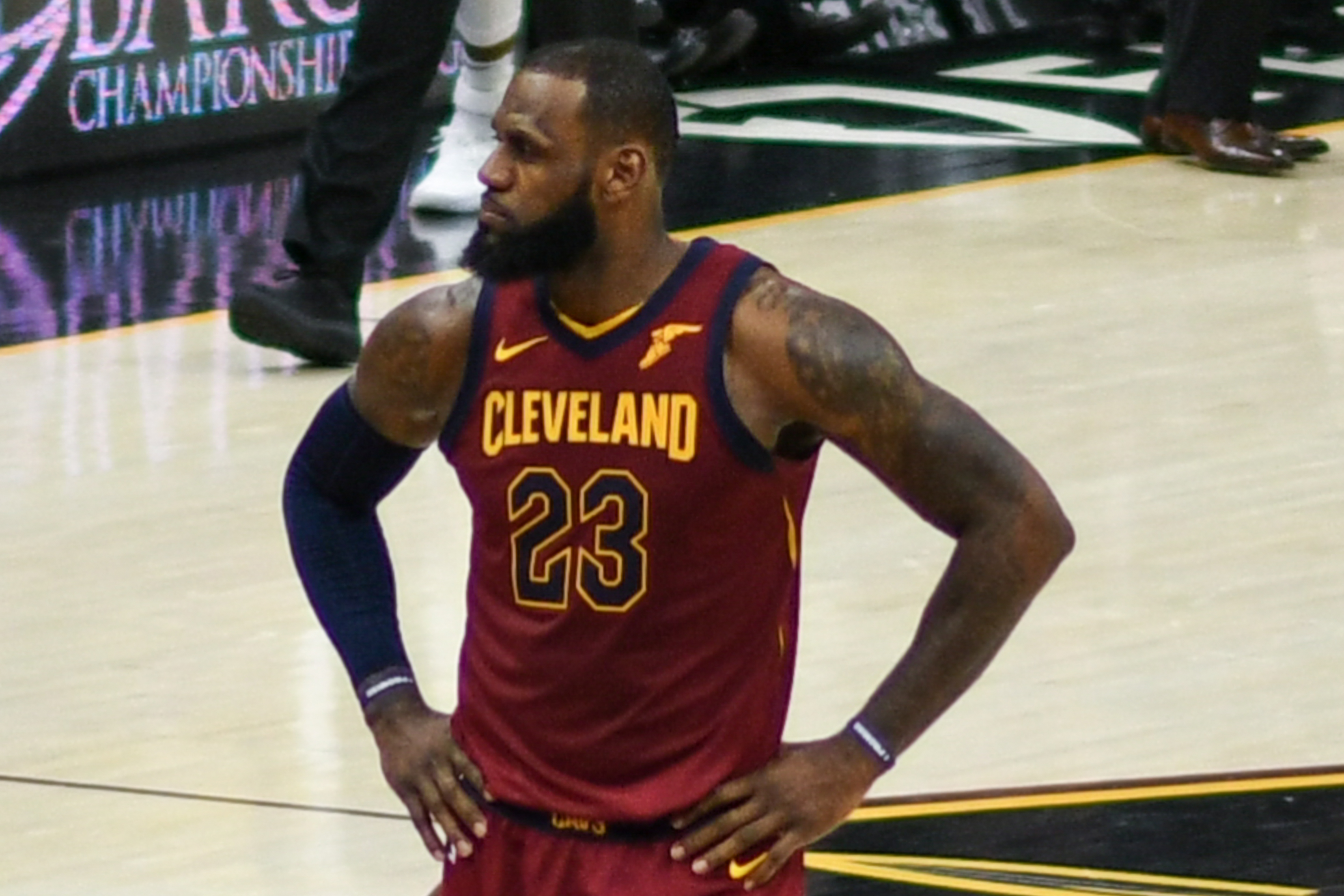
The best LeBron James choices for liquidity are usually recognizable rookie-year cards, especially Topps, Topps Chrome, and Upper Deck issues in grades with enough recent sales to make pricing easier to judge.
What does liquidity mean for LeBron James collectors?
Liquidity means a card is easier to understand, price, trade, insure, and resell because enough collectors recognize it and enough comparable sales exist to frame the decision. It does not mean the card will always rise in value. It does not mean a seller can exit instantly at any price. It means the market for the card has more depth than a niche card that needs the perfect buyer at the perfect moment.
That distinction matters with LeBron James because his card market is very wide. Collectors can choose from mainstream 2003-04 rookies, Topps Chrome, Upper Deck, autographs, patch cards, parallels, inserts, later-career Lakers and Cavaliers cards, and premium grails. Some are deeply liquid. Some are personally exciting but harder to benchmark. The best LeBron choice for liquidity is usually the card that another informed collector can understand in one sentence.
The LeBron James complete collector guide covers the broader collecting category. This article focuses on one narrower job: choosing LeBron cards that keep future flexibility open. That can matter if you expect to upgrade later, rebalance a collection, document insurance value, trade into another card, or simply avoid getting trapped in a market with too few real buyers.
Liquidity is also relative to grade and price. A 2003-04 Topps Chrome LeBron James rookie is widely recognized, but a copy priced far above its grade context may still be hard to move. A standard Topps rookie in a sensible grade may be more liquid for many collectors because the buyer pool is broader and the decision is easier to explain. The card name starts the liquidity conversation; the exact copy, grade, eye appeal, and asking price finish it.
The liquidity checklist
Collectors can evaluate LeBron liquidity with a practical checklist. The strongest cards usually satisfy most of these filters:
- broad recognition among basketball-card collectors
- clear rookie-year or career-story relevance
- enough recent completed sales to compare
- straightforward product identity
- grading tiers that buyers understand
- condition details that are visible and defensible
- a buyer pool larger than one specialized niche
This framework is intentionally conservative. It favors cards that are easier to explain over cards that sound clever. A rare LeBron parallel can be outstanding, but if the last comparable sale is old, the checklist is confusing, or the premium depends on one buyer, liquidity is lower. A card can be valuable and illiquid at the same time.
Liquidity also changes with market mood. During strong periods, collectors may chase rarer pieces and accept thinner comps. During softer periods, many buyers return to the cards they can benchmark quickly. That is why liquid choices tend to emphasize recognizable rookies, respected grading, and product lines with established demand.
1. 2003-04 Topps Chrome LeBron James
The 2003-04 Topps Chrome LeBron James rookie is the prestige liquidity anchor for many collectors. PSA CardFacts identifies it as card number 111, and the page includes grade data, population context, and auction-price information that collectors can use when comparing copies. That does not make every Topps Chrome purchase simple, but it does make the card easier to research than many rarer LeBron options.
Topps Chrome is liquid because the appeal is widely understood. It has rookie status, a major brand, a chromium finish, visible condition sensitivity, and enough market attention that buyers usually know what it represents. A collector does not need a long explanation to understand why the card matters.
The risk is that liquidity can make buyers overconfident. Chrome surfaces can show lines, scratches, print defects, and centering issues. Grade premiums can be sharp. Two copies with the same label may not have the same eye appeal. Before buying, use the card grading complete collector guide and compare recent sales for the exact grade.
Topps Chrome is best for collectors who want a serious LeBron anchor and are willing to study the card closely. It is weaker for buyers who simply want the most famous answer and skip copy-level review. A liquid card still requires discipline.
2. 2003-04 Topps LeBron James
The standard 2003-04 Topps LeBron James rookie is one of the cleanest liquidity choices because it is easy to recognize and easier to explain than many premium alternatives. PSA's 2003 Topps Basketball price guide lists LeBron James as card number 221, giving buyers a stable reference point for research across grades.
This card often makes sense for collectors who value clarity over flash. It does not carry the same prestige as Topps Chrome, but it has a larger accessibility lane and a broad buyer base. For many budgets, that can be more useful than owning a rarer card with thinner demand.
The standard Topps rookie is especially helpful for collectors who may upgrade later. It can serve as a foundation card, a comparison point, or a first serious LeBron rookie. Because the card is familiar, sellers and buyers usually have a clearer shared language around grade, centering, corners, and price.
Do not confuse familiarity with automatic safety. A weak copy, poor seller, stretched price, or misleading raw listing can still be a bad decision. The liquidity case is strongest when the exact grade and condition match current completed-sale evidence.
3. 2003-04 Upper Deck LeBron James
The 2003-04 Upper Deck LeBron James rookie is another liquid choice because it combines rookie-year relevance with a major basketball-card brand. PSA's 2003 Upper Deck Basketball guide lists LeBron James as card number 301, which gives collectors a clear issue to research rather than a vague "rookie-year" label.
Upper Deck can be useful for collectors who want a recognized LeBron rookie without concentrating only on Topps. It may not be the first card named in every LeBron liquidity discussion, but it has enough brand identity and buyer familiarity to remain understandable.
This card works best when the collector treats it as a defined lane. Compare Upper Deck to Upper Deck. Do not justify a price only by pointing to Topps Chrome. The clean liquidity question is whether the exact Upper Deck copy, grade, and price make sense within its own market.
Upper Deck is also a good reminder that liquidity is not only about the most expensive card. A card can be liquid because many collectors can afford it, compare it, and place it in a collection without needing advanced niche knowledge.
4. Sensible graded LeBron rookies
For liquidity, the holder can matter because it creates a common condition language. A graded LeBron rookie is often easier to price than a raw copy because buyers can compare the same card in the same grade across recent sales. That does not mean the grade is perfect. It means the market has a clearer starting point.
Sensible grades are often more liquid than trophy grades for ordinary collectors. A top-grade card may attract attention, but it can also narrow the buyer pool. A mid-grade or lower high-grade copy of a recognized rookie may have more reachable demand because more collectors can participate.
The key word is sensible. A graded card is not liquid if the price assumes a better grade than the label, ignores eye appeal, or relies on an old sale from a hotter market. Use the safe card grading buying guide before treating the holder as a substitute for judgment.
Good graded liquidity questions include:
- Are there recent sales in the exact grade?
- Does this copy present well for the grade?
- Is the premium over the next lower grade justified?
- Would another collector understand the purchase quickly?
- Is the card easier to move than a rarer card at the same budget?
5. Carefully inspected raw LeBron rookies
Raw LeBron rookies can be liquid when they are recognizable and priced with condition uncertainty in mind. They are usually less straightforward than graded copies, but a clean raw card from a major rookie issue can still attract strong interest if photos, seller history, and condition details are convincing.
The advantage of raw buying is flexibility. A collector may enjoy the card as-is, submit it later, or use it as a more affordable entry into a major issue. The disadvantage is that condition risk sits with the buyer. Surface flaws, corner wear, trimming concerns, and optimistic seller language can all reduce liquidity after purchase.
Raw liquidity is strongest when the listing is transparent. Look for sharp photos, visible corners and edges, clear surface images, reasonable return terms, and a price that does not assume a best-case grading result. A raw copy priced like a future gem mint slab is usually a poor liquidity bet.
Raw cards also demand honesty about skill level. Experienced collectors may see opportunity where newer buyers see only risk. Beginners often do better with graded examples first, then move into raw buying after learning how LeBron condition and grade premiums work.
6. Topps Chrome refractors and other premium parallels
Premium parallels can be liquid, but only when demand is deep enough to support the scarcity premium. A Topps Chrome refractor, for example, has product recognition and visual appeal, so it may be easier to explain than an obscure low-numbered card from a less followed set. Even then, the buyer pool is usually narrower than for a standard rookie.
The best premium LeBron parallels have three traits: recognizable product, visible scarcity, and enough sale history to support comparison. Remove one of those traits and liquidity falls quickly. A card can be rare and still hard to sell if few buyers understand why the rarity matters.
Collectors should also separate market liquidity from personal excitement. A shiny, scarce, beautiful LeBron card can be a great personal choice. The question here is different: if you needed to sell, how many informed buyers would know what it is, and how confident would they be in the price?
Premium parallels are better for collectors who already understand mainstream LeBron rookies. That foundation makes it easier to decide whether scarcity is actually adding demand or simply adding complexity.
7. Exquisite and high-end autographs
2003 Upper Deck Exquisite Collection LeBron James is one of the great high-end references in modern basketball cards. PSA CardFacts identifies the autograph patch rookie as card number 78, and the card's importance comes from its mix of rookie status, autograph, patch element, serial-numbered scarcity, and Exquisite's premium reputation.
This is a powerful card, but its liquidity is not the same as mainstream liquidity. The buyer pool is smaller, due diligence is heavier, and exact-card details matter enormously. Patch quality, autograph appearance, numbering, provenance, holder, auction venue, and historic sale context can all change how buyers interpret a copy.
High-end LeBron autographs can be liquid within the right audience, but they are rarely casual exits. They require patience and specialist attention. A collector buying in this lane should have a written plan for authentication, storage, insurance, and potential resale venue.
For most collectors, Exquisite is best treated as a market reference, not a default target. It shows what the top of the category can look like, but liquidity-first buyers may be better served by cards with broader price bands and larger buyer pools.
8. Later-career cards with clear era demand
Later-career LeBron cards can be liquid when they connect to a clear chapter: Cleveland return, Miami title years, Lakers era, scoring-record context, or a memorable product. The challenge is that later-career demand can be more selective. Many cards feature LeBron; fewer have a lasting reason to be chased.
For liquidity, later-career choices need strong issue identity. A card from a respected set, a memorable image, a known parallel structure, or a championship-era context usually has a cleaner case than a random base card. The more ordinary the card, the more the buyer is relying on LeBron's name alone.
These cards often work best as complementary holdings. They can add visual range and personal meaning to a collection, but they may not replace the liquidity role of major rookies. If resale flexibility matters, compare the buyer pool carefully before treating a later-career card as a core anchor.
Kobe Bryant and Michael Jordan as liquidity comparisons
Kobe Bryant and Michael Jordan are useful reference points because their markets show how legacy, recognition, and product identity affect liquidity. Jordan's strongest cards remain easy to discuss because the collecting audience understands his place in basketball history. Kobe's major cards also show how a broad collector base can support multiple liquid lanes across rookies, inserts, and premium cards.
LeBron sits in that same legacy conversation, but the details are different. His most liquid choices tend to benefit from modern grading infrastructure, a deep 2003-04 rookie class, and a large active buyer base. Comparing LeBron to Kobe and Jordan can be helpful as long as collectors avoid copying conclusions card-for-card.
The shared lesson is simple: liquidity comes from more than fame. It comes from fame attached to specific cards that collectors can identify, compare, and trust. A famous player on an obscure card may not be as liquid as a more common card with stronger market recognition.
How to choose between two liquid LeBron cards
When two LeBron cards both seem liquid, compare the exit path. Which card has more recent sales in the same grade? Which one has clearer product identity? Which one could be explained quickly to a collector who is not already hunting that exact issue? Which one has the better photos, seller context, and condition evidence?
The better liquidity choice is not always the one with the higher ceiling. It is often the card with fewer hidden assumptions. A standard Topps rookie in a sensible grade may be easier to move than a rarer card with a thin comp set. A Topps Chrome copy with excellent eye appeal may justify a premium, but only if the grade and sale history support it.
Watch the spread, not just the last sale
Liquidity is easier to judge when collectors look beyond the most recent sale. One auction result can be useful, but it may reflect timing, seller trust, photo quality, auction format, or a bidder who needed that exact card. A stronger liquidity read comes from a cluster of sales in the same card and grade.
Pay attention to the spread between recent results. If similar copies sell in a tight band, buyers probably have a shared sense of value. If the range is wide, the card may still be liquid, but copy quality and listing context matter more. Wide spreads are common on cards where eye appeal, surface, centering, or holder reputation changes buyer confidence.
Also compare asking prices with completed sales. A card can appear active because many copies are listed, but liquidity comes from transactions, not optimistic inventory. For LeBron cards, the cleanest choices usually have repeated sales, visible grade ladders, and enough buyer participation that one outlier does not define the whole market.
This is where Topps Chrome, standard Topps, and Upper Deck rookies often have an advantage over obscure premium cards. They give collectors more evidence. Evidence does not remove risk, but it makes the decision easier to audit before and after purchase.
Use this final checklist before buying:
- Can I name the exact issue, year, card number, and grade?
- Are the most relevant comps recent and truly comparable?
- Does the card have broad recognition beyond a small niche?
- Is the price based on completed sales rather than hopeful listings?
- Would I still like the card if I could not sell it quickly?
- Does the purchase leave room for fees, storage, and future flexibility?
Liquidity-first collecting is not about being timid. It is about choosing cards whose demand is easier to verify. For LeBron James, that usually means starting with recognizable rookie-year issues, respecting grading and condition, and treating rare premium cards as advanced choices rather than automatic upgrades.
Conclusion
The best collecting decisions usually come from structure rather than urgency. When you combine clear comparisons, strong context, and a disciplined buying framework, you give yourself a better chance to build a collection with both enjoyment and staying power.