Answer-first summary
Base Set anchors the original-art story; Dark and Blaine's Charizard add contrasting themes; Shining Charizard offers an alternate appearance; Celebrations revisits familiar art; and 151 number 199 provides a modern illustration. Each is a separate collecting choice with its own edition checks.
Six Charizard cards that tell different collecting stories
For a collection built around recognizable Charizard designs, start with English Base Set Charizard, then consider Dark Charizard, Blaine's Charizard, Shining Charizard, the Celebrations recreation, and Charizard ex from Scarlet & Violet—151. Each earns its place for a different reason: original artwork, a darker interpretation, a trainer connection, an alternate appearance, anniversary nostalgia, or a modern illustration. Choose the story you want to display before choosing an edition or grade.
This shortlist uses “iconic” as an editorial judgment about visual identity and collecting context. It is not a measured popularity chart. A recognizable design does not establish current demand, a fair price, or how quickly your own copy might sell. Those questions require recent evidence for the exact card, language, printing, and condition you are considering.
You also do not need the most expensive version of a design to appreciate it. An attractive unlimited vintage copy or a modern anniversary card may serve your purpose better than a premium edition that leaves no room for the rest of your collection. The useful question is which card represents the part of Charizard's history you actually enjoy.
Compare the shortlist at a glance
The identities below refer to English cards. Japanese and other language releases need their own set and number checks; a translated character name does not make two releases interchangeable.
| Card | Why it belongs | Best collecting fit | Main buying distinction |
|---|---|---|---|
| Base Set Charizard 4/102 | The familiar early illustration | Original-era nostalgia | First edition, shadowless, and unlimited are separate printings |
| Dark Charizard, Team Rocket 4/82 or 21/82 | A contrasting interpretation | A vintage artwork pair | Number 4 is holographic; number 21 is non-holographic |
| Blaine's Charizard, Gym Challenge 2/132 | A trainer-associated design | A Gym-themed collection | Confirm language, printing, and any claimed variant |
| Shining Charizard, Neo Destiny 107/105 | A distinct alternate-color subject | A focused vintage centerpiece | Keep first edition and unlimited comparisons separate |
| Charizard, Celebrations Classic Collection 4/102 | A later anniversary treatment of familiar art | Nostalgia without requiring an original printing | Identify the anniversary release, not just the retained number |
| Charizard ex, Scarlet & Violet—151 199/165 | A modern illustration-led choice | An evolution-themed display | Do not confuse it with the set's other Charizard ex cards |
These are alternatives as well as possible companions. If two choices perform the same role in your display, selecting one can be more satisfying than buying both simply to complete a ranking.
1. Base Set Charizard: the original-art anchor
English Base Set Charizard 4/102 is the starting point for collectors who associate Charizard with the early trading card game. Its appeal here is the illustration and release context, rather than a claim that one printing is universally the correct purchase. PSA's Base Set collecting reference explains the first-edition, shadowless, and unlimited distinctions. Historical prices in that reference should not become today's buying budget.
Who it suits: someone who wants an original-era centerpiece, a childhood reference, or the beginning of an artwork timeline. An unlimited copy can fulfill those purposes without needing to represent the earliest printing. First edition and unstamped shadowless copies serve a more specific printing-history goal; decide whether that distinction matters to you before paying for it.
The main trade-off is between edition significance and the quality of the actual copy. You may prefer a cleaner unlimited example to a more heavily worn premium printing. Another collector may accept wear because the printing is their subject. Write that preference down so that a first-edition stamp does not silently replace your original goal.
Inspect the whole front and back, including the artwork frame, number, copyright information, and any stamp. Do not identify a printing from a seller's headline alone. A sleeve reflection, small crease, or foil scratch can also change how a card looks in a display. The front presentation matters even when the grade seems to fit your budget.
2. Dark Charizard: a deliberate visual contrast
Dark Charizard is a useful second design when you want a collection to show more than repeated versions of Base Set artwork. The English Team Rocket release includes a holographic card numbered 4/82 and a non-holographic card numbered 21/82. PSA's Team Rocket reference distinguishes the two. Confirm the finish and number together.
Who it suits: a collector building a two-card vintage contrast, exploring Team Rocket, or preferring a different mood to the original design. Either finish can be a deliberate collecting choice. Select the non-holographic version because you want that version, rather than because an ambiguous listing made it seem like the holographic card.
The trade-off is presentation versus the finish you expect to own. Reflections in listing photographs can obscure whether you are looking at a foil surface. Ask for an angled image and a readable collector number. For the holographic version, judge the visibility of surface marks under more than one lighting angle; for either version, inspect edges, corners, and creases.
Avoid comparing the two numbers in a single sales average. A character name shared by two cards does not erase the release distinction. If you add Base Set and Dark Charizard together, keep separate condition notes and purchase records. The pair should explain an artwork choice, not imply that their prices move together.
3. Blaine's Charizard: the trainer connection
Blaine's Charizard adds a trainer-associated identity to the shortlist. PSA's English Gym Challenge reference identifies the holographic card as number 2. The collecting reason is the relationship between trainer and Pokémon: it offers a different organizing theme from simply owning another Charizard illustration.
Who it suits: someone who remembers the Gym leaders, enjoys trainer-linked cards, or wants a page built around one era's presentation. Before choosing it, imagine the finished display. Would it sit beside other trainer-associated Pokémon, or act as one milestone in a Charizard sequence? Either approach gives the purchase a purpose beyond its appearance in a checklist.
Its trade-off is added identification work. A listing may emphasize first edition, a printing variation, or an alleged error. Treat each claim as a separate question requiring supporting images and an appropriate reference. This guide does not rank those specialist variants. If a premium depends on a detail you cannot explain or verify, choose a clearly identified standard copy or keep researching.
Inspect the actual artwork and foil rather than treating a holder label as a complete description of appearance. Consider whether any scratch crosses the focal part of the image. A back-edge defect and a front-surface mark may affect your enjoyment differently, even when both are reflected in a condition assessment.
4. Shining Charizard: an alternate appearance with its own identity
Shining Charizard offers a notably different subject for a vintage display. PSA's Neo Destiny reference identifies the English card as number 107; its first-edition reference treats that printing separately. Use the exact release identity rather than assuming every listing containing “shiny Charizard” describes this card.
Who it suits: a collector who wants an alternate-color centerpiece, enjoys the Neo era, or prefers a sharply different visual identity to another original-art printing. It can occupy the specialist slot in a small collection without obliging you to pursue every later shiny or special-finish release.
The trade-off is concentration. If one purchase consumes most of your collecting budget, you have fewer opportunities to add other designs or replace a copy whose appearance disappoints you. Decide whether you want this particular card enough to accept that concentration. The fact that a seller describes it as a grail is not evidence that it belongs in your own display.
Require clear photographs of the front, back, and reflective details. Keep first edition and unlimited records separate, and compare graded copies only with the same grading company and comparable grade. If few relevant sales are visible, record the uncertainty rather than substituting a different Shining card or a modern release to manufacture a price benchmark.
5. Celebrations Charizard: familiar imagery in an anniversary release
The official Celebrations checklist places Charizard number 4 in the Classic Collection. The English card revisits the familiar Base Set design, but belongs to a later anniversary product. Its retained numbering is precisely why the set identity, anniversary marking, and copyright details matter when reading a listing.
Who it suits: someone who wants familiar imagery in a modern collecting context, enjoys anniversary products, or is building a themed page with Pikachu and Blastoise. This is a complete collecting choice in its own right. It does not need to be described as a placeholder for a vintage purchase that you may never want.
The trade-off is historical meaning. Owning a recreation of a familiar image is different from owning the original-era printing. If your purpose is the artwork, that difference may be acceptable. If your purpose is release history, a modern anniversary card cannot fulfill the original card's role. Decide which experience you want before comparing costs.
For condition, look closely at the front finish, borders, back edges, and any dents. Modern does not mean flawless, and a listing's pack-fresh claim is not a grade guarantee. Buy the copy you enjoy as it stands. Opening sealed products to chase a specific card gives an uncertain outcome; a clearly identified single offers a more direct way to complete this slot.
6. Charizard ex from 151: the modern illustration choice
The official English Scarlet & Violet—151 checklist includes Charizard ex at numbers 006, 183, and 199. This shortlist selects 199/165 for an illustration-centered collection. The other entries are distinct cards, not interchangeable copies with different seller descriptions.
Who it suits: a collector who prefers a modern scene to a traditional framed image, or wants a display that includes Charmander and Charmeleon. The point is the visual relationship you choose to build. Check the companion illustrations you actually want before assuming that any evolution-stage cards form the same display.
The trade-off is between choosing an artwork and pursuing a particular grade. You can appreciate a scene without requiring the highest label available. Conversely, if your collection is specifically a uniform graded display, that requirement should be part of the purchase plan from the beginning. Do not switch objectives halfway through bidding because a seller suggests grading upside.
Confirm the English collector number and language before comparing listings. A Japanese card with related artwork has its own release identity. Inspect centering, surface, edges, and corners using photographs of the offered copy. Record delivery, taxes, and any applicable fees alongside the purchase price so that an apparently cheaper listing does not win on an incomplete comparison.
Build a collection around roles, not a mandatory ranking
A useful three-card route might be Base Set for original-era history, Dark Charizard for contrast, and 151 for modern illustration. A different collector might prefer Celebrations for familiar art, Blaine's Charizard for the trainer theme, and Shining Charizard as a specialist centerpiece. These are examples of coherent roles, not instructions to buy three cards immediately.
Pikachu and Blastoise, the planning idea's companion references, are useful checks on your scope. If you keep imagining a wider starter-Pokémon display, Blastoise may belong beside Charizard. If the anniversary theme interests you more than the species alone, Pikachu may help define that page. Compare their thematic contribution separately; neither character supplies a price benchmark for Charizard.
Choose one card first and write a stopping rule for the collection. For example, one original design plus one contrasting artwork is a finished project. You can expand later if the new card adds a role you genuinely want. Repeatedly upgrading the same image or collecting every edition can turn an enjoyable theme into an unfinished obligation.
Test price and resale claims with matching evidence
This article does not quote live prices or rank liquidity. For a buying decision, assemble recent completed sales for the exact set, number, language, printing, finish, and condition. Keep raw copies separate from graded copies; keep grading companies separate as well. Record the date and total buyer cost where the evidence allows it.
A high asking price tells you what a seller hopes to receive. It does not show that a buyer paid it. Even a sold listing needs review: it might be a bundle, have an undisclosed accepted offer, or lack images that establish the condition. Exclude uncertain matches or flag them explicitly rather than smoothing them into a reassuring average.
If future resale matters, inspect the evidence available on the venue you expect to use. Consider fees, insured shipping, negotiation, and the time needed to find a buyer. Familiarity can help another collector identify a card, but it does not guarantee a transaction. Set your purchase limit according to the collection you can afford and enjoy, rather than a hoped-for exit price.
Inspect the copy and keep a useful record
Use the same inspection order for all six choices: identity, front surface, back, edges, corners, and centering. Request full images and angled views when reflections hide detail. Write acceptable defects in advance. Light whitening might be tolerable on a binder copy, while a crease through your favorite part of the image might be a reason to decline.
PSA's grading standards provide its own criteria; use the relevant company's standards when evaluating a holder. A numerical grade does not tell you which of two copies you will prefer visually. For an expensive or ambiguous purchase, resolve identity and authenticity concerns before treating the seller's condition claims as meaningful.
Pokémon's counterfeit guidance recommends learning official products and consulting specialist shops when needed. Use the correct release as your reference, and avoid destructive informal tests. Save the listing, receipt, photographs, identifiers, and any certification number. Add a sentence explaining why the card belongs in your collection; that note is useful when deciding whether to keep or upgrade it later.
Plan the first purchase before adding the next
Turn the shortlist into a small shopping brief. Name the exact card, its role, your preferred language, and the defects you can accept. Then set a total spending limit that includes delivery and protection. If two cards appeal equally, begin with the one whose identity and condition you can judge with greater confidence. You can learn from that purchase before committing to a more complicated variant.
When the card arrives, compare it with the saved listing promptly and follow the seller's stated process if there is a discrepancy. Store it in suitable protection without trying to polish away marks or improve the surface. Update your record with what you observed in person, including anything photographs had concealed.
Only then reconsider the next slot. Ask whether the first card already provides the nostalgia, visual contrast, or centerpiece you wanted. Waiting can reveal that your collection feels complete sooner than expected. A shortlist should make choices clearer, while leaving room to stop after one satisfying purchase.
Methodology and further reading
We selected designs that offer distinct collector stories and recognizable release identities. We considered condition sensitivity, the ability to make precise comparisons, and how a card fits alongside other choices. Recognition and long-term relevance are editorial considerations, while current demand and resale depth remain questions for transaction research. This is an educational selection, without a price forecast or a return expectation.
Official Pokémon checklists verify the modern card identities; PSA references establish the vintage distinctions discussed above. They do not prove a universal popularity order. For release context, read the complete Charizard collector guide. For seller and transaction checks, use how to buy Charizard safely.
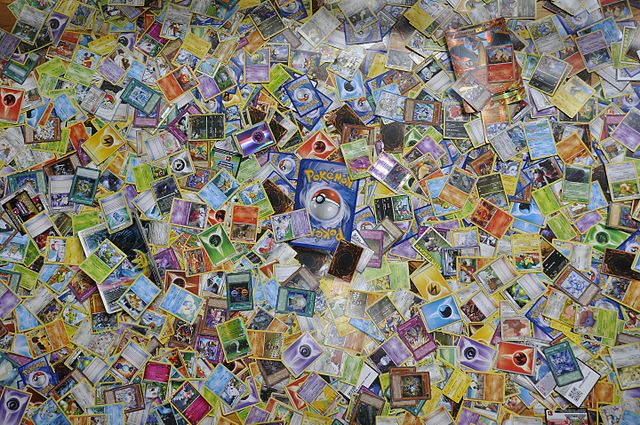
Featured photograph: Nabeel H, Pokémon National Championships 2014, Creative Commons Attribution-ShareAlike 2.0. The original image is unchanged and shows tournament play, not the cards ranked here.
Conclusion
The best collecting decisions usually come from structure rather than urgency. When you combine clear comparisons, strong context, and a disciplined buying framework, you give yourself a better chance to build a collection with both enjoyment and staying power.