Answer-first summary
Collectors can buy LeBron James cards with fewer costly mistakes by verifying the exact issue, checking condition and authenticity, matching completed sales closely, and refusing prices that depend on hype alone.
What buying LeBron James without costly mistakes really means
Buying LeBron James without costly mistakes does not mean finding a risk-free card. It means reducing the mistakes that are easiest to avoid: misidentified issues, weak condition checks, thin comparable sales, overconfident grading assumptions, and prices that rely more on the LeBron name than on the exact card in front of you.
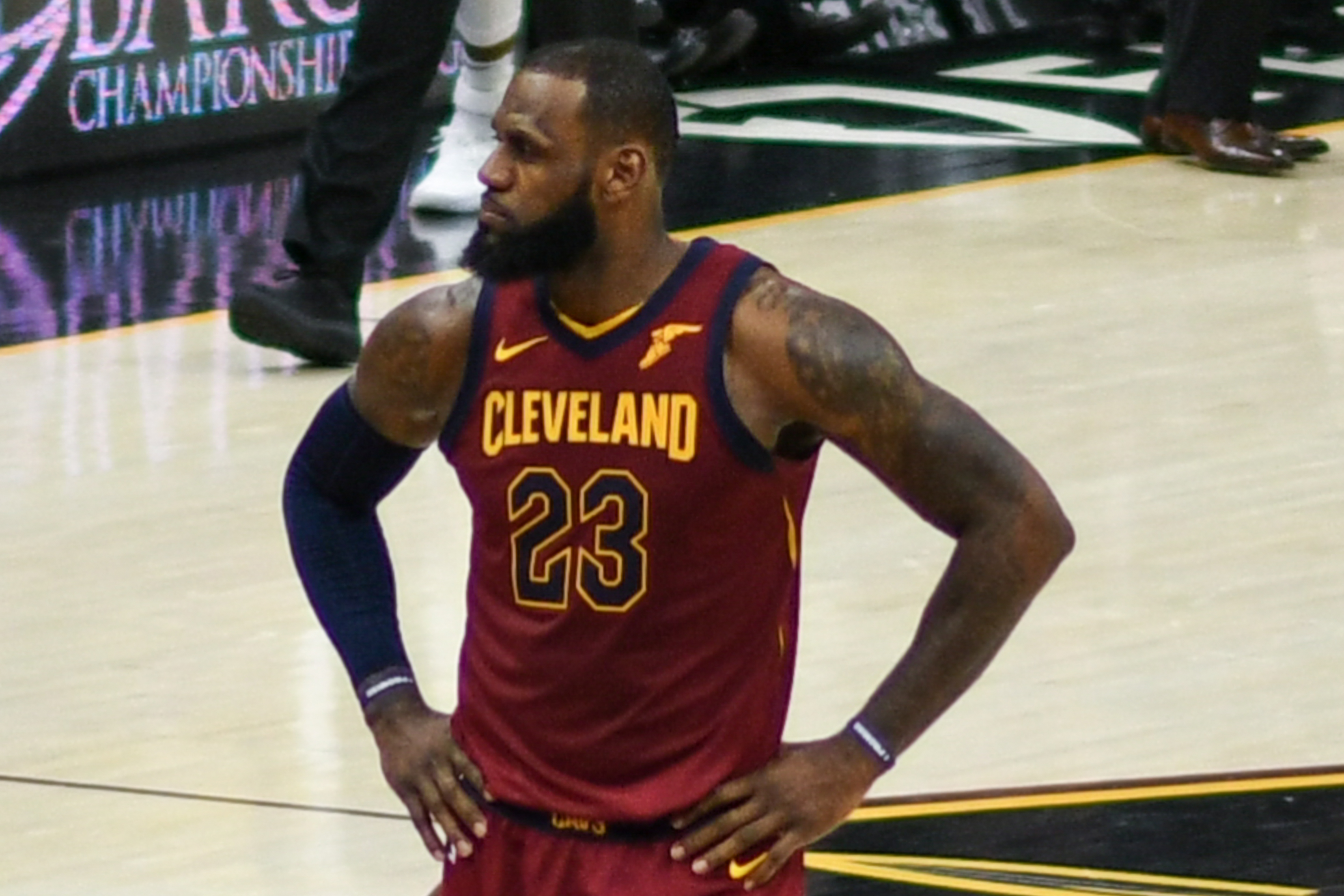
LeBron is one of the most important modern basketball collecting names. That importance gives his best cards broad attention, but it also creates noise. Many listings sound compelling because the player is famous. A more mistake-resistant buyer still asks a quieter question: does this specific card, in this specific condition, at this specific price, make sense for the role it will play in the collection?
The most mistake-resistant framework is straightforward. Verify the card first. Study condition second. Compare real sales third. Then decide whether the card has enough recognition and liquidity to support the price. If any of those steps feel rushed, the purchase is probably not ready.
For a broader safety checklist before narrowing this mistake-focused buyer guide, read the companion guide on how to buy LeBron James safely.
Start by identifying the exact card
LeBron's card market is wide. It includes base rookies, chrome rookies, refractors, numbered parallels, autographs, inserts, later-career issues, team-era cards, and many lower-cost pieces that simply show an iconic player. Mistake-aware buying starts with exact identification because two cards with similar listing titles can behave very differently.
Make sure you know the year, set, card number, parallel, print run if applicable, grading company, grade, and whether the card is raw or authenticated. On a major LeBron card, small wording differences matter. A base Topps Chrome rookie, a refractor, and a rarer parallel are not interchangeable just because they share the same player and season.
Collectors should also check whether the market understands the card quickly. A card with strong recognition is usually easier to research, compare, and eventually resell. Obscure cards can be enjoyable, but they require more pricing caution because the buyer pool may be thinner and the sales record may be uneven.
For broader context on where LeBron sits as a category, the LeBron James complete collector guide is a useful companion before narrowing down to a specific purchase.
Use authenticity as the first filter
Authenticity should come before excitement. If a LeBron card is expensive, popular, or condition-sensitive, the most mistake-resistant buyers do not assume the listing is correct. They confirm the issue, compare the card to known examples, and check whether the seller's photos show the details needed to identify the card.
For graded cards, verify the certification number through the grading company's lookup tool when possible. Make sure the label, card, holder, and listing description tell the same story. A slab can reduce some risk, especially online, but it should not stop you from inspecting the exact copy. A holder helps with standardization; it does not make every price reasonable.
Raw cards require more discipline. Ask for clear front and back images, close-ups of corners and surfaces, and enough detail to evaluate centering. If the seller cannot provide useful images on a meaningful card, that is part of the risk. The price should reflect uncertainty instead of pretending it does not exist.
Condition is where many LeBron buys are won or lost
Condition can be the difference between a smart LeBron purchase and a frustrating one. Modern basketball cards often show meaningful variation in centering, corners, edges, surface quality, print lines, and overall eye appeal. Chrome-style cards can be especially sensitive because surface problems and centering issues are easier to notice.
Grading gives collectors a shared language, which is why graded LeBron cards can be more mistake-resistant on important issues. But safe buyers still look at the card inside the holder. Two copies with the same grade can have different centering, color, surface presentation, and buyer appeal. The label matters, but the copy matters too.
Pay special attention to the price gap between grades. Sometimes the premium is supported by demand, population context, and consistent sales. Sometimes it is stretched by recent excitement or a thin group of transactions. The card grading complete collector guide can help collectors think through those trade-offs before paying a large grade premium.
Comparable sales need to be truly comparable
Completed sales are more useful than asking prices, but only when the comps actually match the card. Use the same issue, same parallel, same grade, same grading company when possible, and a recent enough time window to reflect the current market. A PSA 10 sale does not price a PSA 9. A refractor sale does not price a base card. A strong auction result with exceptional eye appeal may not represent an average copy.
Look for clusters, not one dramatic sale. If several recent sales sit in a similar range, you have a better anchor. If one sale is far above the others, ask why. Was the card unusually sharp? Was the auction competitive? Was the market thin that week? Mistake-aware buying means treating outliers as questions rather than answers.
Asking prices can still be useful, but they are context, not proof. Sellers can list high because they do not need to sell, because they are testing demand, or because they are anchoring negotiations. The more mistake-resistant buyer lets completed sales carry more weight than hope.
Liquidity matters more than rare-sounding language
LeBron has many cards that sound scarce, premium, or important. That language can be true, but it is not enough. A card can be rare and still hard to price. It can be numbered and still have limited buyer demand. It can be visually impressive and still be difficult to resell at a clean market price.
Liquidity is the practical question: if you needed to understand the card's value, could you find enough relevant sales? If you later wanted to sell or trade, would enough collectors recognize the card without a long explanation? The most mistake-resistant LeBron cards are often not the most exotic. They are the ones where recognition, demand, and transaction history work together.
That does not mean every collector should buy only mainstream cards. It means the risk standard changes. A niche parallel or insert can be a great collection piece if you love it and understand the buyer pool. It becomes less safe when the price assumes a deep market that may not exist.
Decide whether graded or raw fits the card
Graded LeBron cards often make sense when authenticity, condition language, and resale comparability matter. This is especially true for major rookies, chrome cards, high-grade examples, and cards where small condition differences carry large price premiums. The holder can make the buying process more transparent, particularly when the card trades often enough to support meaningful comps.
Raw cards can still be sensible. A raw copy may offer better value when the graded premium is too wide, the card is lower risk, or the buyer has enough condition experience to judge it honestly. The key is to avoid buying a raw card only because you hope it will grade well later. Hope is not a buying thesis.
A simple test helps: would the raw card still feel fairly priced if you never submitted it? If the answer is no, you may be paying for an imagined future grade rather than the card as it sits today.
Watch for common LeBron-specific buying traps
The first trap is buying the player instead of the card. LeBron's legacy is strong, but the market still sorts his cards by issue, condition, scarcity, visual appeal, and demand. A marginal card does not become a cornerstone just because the player is historic.
The second trap is overpaying for a thin comp set. If there are only one or two recent sales, the buyer needs a wider margin of safety. Thin markets can move quickly in both directions, and sellers may use rare-sounding language to justify a price that is hard to verify.
The third trap is ignoring eye appeal inside a slab. The grade is important, but collectors still prefer copies that look strong for the grade. Centering, surface quality, and presentation can affect how easy the card is to sell later.
The fourth trap is collecting too broadly too quickly. LeBron has so many available cards that beginners can spread a budget across many average pieces instead of buying fewer cards with clearer purpose. A tighter collection usually teaches more and is easier to manage.
What a costly mistake usually looks like
A costly mistake is not always an obvious fake, damaged card, or reckless purchase. More often, it is a card that was only slightly misunderstood. The buyer may have compared the wrong parallel, ignored a weak corner because the grade looked comforting, treated a high asking price as market evidence, or assumed a lower-population card would automatically have stronger demand. Each mistake can look small in isolation. Together, they can turn a reasonable LeBron purchase into a card that is hard to defend later.
The most common pattern is paying for the best possible story while receiving an average copy. A listing may mention rookie year, chrome finish, scarcity, or long-term greatness. Those ideas can be relevant, but the buyer still owns one exact card. If that exact card has ordinary eye appeal, thin recent sales, or an unclear role in the collection, the broad LeBron story will not solve the problem.
Another costly pattern is buying too close to the emotional ceiling. When a collector stretches because the card feels like the one chance to enter the category, every later flaw becomes harder to accept. A better approach is to leave room for uncertainty. If condition photos are imperfect, if comps are thin, or if the seller history is limited, the price should compensate for that. If it does not, the buyer is absorbing risk without being paid for it.
The simplest protection is to write the reason for the purchase in one plain sentence before paying. If the sentence relies on words like "could," "should," or "maybe," the deal probably needs more evidence. If the sentence names the exact issue, condition, sales range, and collection role, the decision is usually much sturdier.
A practical LeBron buying checklist
Before paying for a LeBron James card, walk through a short checklist:
- Confirm the exact year, set, card number, parallel, grade, and grading company.
- Verify authenticity or certification details before negotiating price.
- Inspect centering, corners, edges, surface, and overall eye appeal.
- Compare multiple recent completed sales that match the card closely.
- Decide whether the card has enough recognition and liquidity for your goals.
- Check seller history, return terms, shipping protection, and listing accuracy.
- Ask whether the card still makes sense if market attention cools.
That last question is valuable because it removes some urgency. If the purchase only works in an excited market, it may not be as safe as it feels.
How to build confidence over time
Safer LeBron buying gets easier with repetition. Save sold listings. Study how the same card behaves across grades. Compare raw and graded examples. Notice which cards consistently attract bidders and which cards need heavy explanation. Over time, the market becomes less mysterious because you are building your own reference points.
It also helps to review previous buys. Did the card fit the intended role? Was the condition as strong as expected? Were the comps reliable? Did you pay for recognition, rarity, eye appeal, or simply the excitement of the moment? Honest review improves the next decision.
The safe card grading buying guide is especially useful when the purchase depends on the holder, the certification, or the premium attached to a grade.
Keep notes in plain language rather than only saving numbers. Write down why the card mattered, which risks you accepted, which sales you used, and what would make you pass on a similar card next time. Those notes are useful later because LeBron prices can move, but your original reasoning should still be understandable. If the reason was only "it felt like the right time," the decision probably needed more evidence.
The mistake audit before you pay
Before paying, treat the purchase like a short mistake audit. Ask what would make the card disappointing six months later. The answer may be a weak comp set, unclear parallel identity, surface damage that was hard to see, a seller with limited history, or a price that only worked because the listing felt urgent. Naming the possible regret before buying makes the decision less emotional.
A useful audit separates fixable uncertainty from unacceptable uncertainty. A missing close-up can be fixed by asking for better images. A confusing card title can be fixed by checking the checklist and card number. A seller who will not answer basic questions is different. So is a price that depends on a future grade the card has not earned.
The best LeBron buys usually pass this test without drama. The card is identifiable, the condition story is visible, the sales evidence is close enough, and the collection role is clear. If the deal needs several optimistic assumptions to work, the safer move is often to wait for a cleaner copy.
Bottom line
Buying LeBron James without costly mistakes is about discipline, not hesitation. LeBron is a major modern basketball category, and strong cards can absolutely deserve collector attention. The more mistake-resistant buyer simply refuses to let the name do all the work.
Start with exact identification, authenticity, condition, comps, and liquidity. Then decide whether the card fits your collection at the price being asked. If the evidence supports the purchase and the role is clear, you can buy with much more confidence and much less reliance on hype.
Conclusion
The best collecting decisions usually come from structure rather than urgency. When you combine clear comparisons, strong context, and a disciplined buying framework, you give yourself a better chance to build a collection with both enjoyment and staying power.