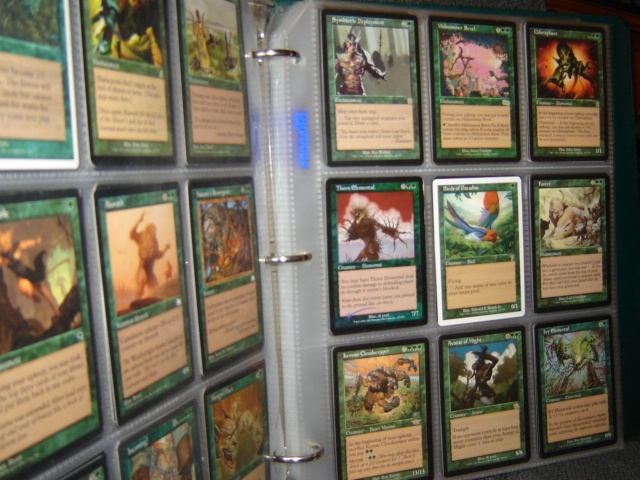
Answer-first summary
Before buying sports card storage, document the exact cards and jobs, translate product names into internal dimensions and materials, price the complete compatible system, and order the smallest useful sample. Test insertion, closure, support, labeling, retrieval, loaded weight, and shelf fit while returns are still possible. Only then reorder the exact variant that passed; stop if the listing changes, the claims remain vague, or the seller cannot confirm essential specifications.
The short answer: buy a verified system, not a product name
Before buying sports card storage, write down the exact cards, quantities, and jobs the supplies must handle. Translate every product label into measurable requirements: card dimensions and thickness, holder internal dimensions, material, closure, outer-container fit, retrieval method, and loaded weight. Price every component needed to finish the system, then buy the smallest sample that can be tested under normal use.
Do not place a bulk order because a familiar label, large review count, or low unit price feels reassuring. “Standard,” “premium,” “archival,” “universal,” and “ultraviolet protection” are not complete specifications. A product can be well made and still be wrong for your card, sleeve, box, shelf, display, grading workflow, or transport case.
Test while the return period is open. Insert a lower-consequence card of the same format, check corners and closure, assemble every layer, fill part of the box, add labels, retrieve the card, and place the finished container on its real shelf. Inspect the remaining units for consistency. Reorder only the exact product variant that passed.
The complete sports card storage guide explains the wider preservation system. The guide to buying sports card storage safely compares holder roles. This article concentrates on avoiding mistakes during the purchase itself.
Mistake 1: shopping before defining the job
A listing is difficult to judge when the requirement is vague. “I need better storage” can lead to a binder, top loaders, magnetic cases, a long box, a portable case, or a safe, even though those products solve different problems. Begin with a short requirements sheet.
Record how many cards are ordinary raw inventory, selected raw singles, thick or unusual formats, active grading candidates, slabs, display cards, and travel inventory. Note how often each group is handled and where it will live. Measure examples rather than assuming every sports card is standard.
Define the finished result. A selected raw single may need an inner sleeve, rigid holder, outer bag, fitted divider, top-loader box, location label, and shelf space. A magnetic display may need the case, approved inner protection, outer bag, stand, controlled display location, and separate transport protection. A safe still needs individually protected and boxed cards inside it.
This step prevents buying the most visible component while overlooking the part that makes it usable. It also gives you a basis for rejecting a listing. If the seller does not provide the dimensions or material needed to evaluate the requirement, the product has not earned the order.
Mistake 2: trusting a category name instead of dimensions
Storage names are convenient but imprecise. Two products called standard sleeves can differ in internal width, height, film thickness, opening behavior, and tolerance. Top loaders with the same nominal depth can differ at seams and corners. Binder pockets, slab boxes, and magnetic holders can fit one manufacturer or case generation better than another.
Check the exact internal dimensions when available, not only package dimensions. Compare them with the card after any intended inner sleeve has been added. For a box, compare the completed holder's external dimensions and label clearance. For a binder, test the sleeved card rather than a bare card. For a safe, calculate the real footprint of boxes and the clearance needed to remove them.
Point-size language for thick cards can be useful, but it still requires a measured card and a test. Manufacturing tolerances, surface features, patches, and corner geometry affect fit. Never use force as evidence that the holder is close enough.
Save a screenshot or copy of the specification with the order record. Product pages change, marketplace sellers merge variants, and packaging can be updated. If a later shipment differs, you need to know what was originally represented.
Mistake 3: ordering the wrong listing variant
Marketplace pages often place several sizes, quantities, generations, colors, or styles under one review history. The main photograph may not match the selected menu option. A title may describe a family rather than the exact item in the cart.
Before checkout, read the selected variant name, stock-keeping code when provided, quantity, internal and external dimensions, material, closure, color, and included accessories. Confirm whether “with sleeves” means card sleeves, outer holder bags, or something unrelated. Check whether dividers, stands, keys, anchors, or inserts shown in photographs are actually included.
Take care when reordering from purchase history. The old link may now point to a replacement generation or a seller-controlled equivalent. Compare the current specification with your saved record and the packaging of the proven sample. A familiar order button does not guarantee an identical product.
For supplies that must interoperate, record the complete combination rather than one brand name. The useful note is “sleeve model, holder depth, outer bag size, box model,” not merely “use brand X.”
Mistake 4: comparing unit price instead of completed-system cost
A cheap holder may require a different outer bag and box. A premium binder may need more volumes because its pages hold fewer cards. A safe may add delivery, stairs, floor review, anchoring, interior shelving, humidity monitoring, and disposal or relocation costs. Unit price hides these dependencies.
Calculate the completed cost for the number of cards that will actually use the system. Include shipping, taxes, minimum order quantities, inner and outer protection, dividers, labels, boxes, stands, replacement units, and unusable leftovers. Estimate how many units might be lost to cracks, debris, warped seams, or inconsistent fit.
Then consider recoverability. Can unopened packages be returned? Who pays return shipping? Is a heavy item subject to restocking or pickup fees? Can the same dimensions be purchased later, or will an expansion require rebuilding the whole lane?
A higher unit price can be cheaper when the system is proven, replaceable, and compatible with existing boxes. A low unit price is not savings if most of the order becomes permanent unused inventory.
Mistake 5: treating marketing language as test evidence
Words such as archival, acid-free, premium, crystal clear, ultraviolet protection, waterproof, and fireproof need definitions. Ask what material is used, which part of the product the claim covers, what standard or test supports it, under what conditions, and what exclusions apply.
For plastics in contact with cards or photographs, named materials are more useful than general quality language. The U.S. National Archives discusses stable plastic enclosures made from polyester, polypropylene, and polyethylene in appropriate environments, while warning against unsuitable materials such as plastics containing polyvinyl chloride. That guidance concerns archival records, not a guarantee for a specific hobby product, but it shows why a disclosed material matters.
Ultraviolet claims do not make long-term direct sunlight safe. Water resistance does not necessarily mean submersion protection. A fire rating may apply for a defined duration and test temperature, not every fire. “Universal” may mean a wide compromise rather than a precise fit.
If a claim matters to the purchase and the seller or manufacturer cannot explain it, treat the benefit as unverified. Buy based on confirmed functions, not the most ambitious word in the title.
Mistake 6: using reviews as a substitute for fit testing
Reviews can reveal recurring problems—cloudiness, cracked corners, weak latches, rough seams, odor, inconsistent quantities, or misleading dimensions. They cannot prove that the product fits your exact card and complete storage chain.
Filter reviews for the selected variant and recent production when possible. Look for measurements and photographs showing normal use, not only statements that the product feels sturdy. Separate shipping damage from product design, and note whether the seller combined reviews across variants.
Be cautious when reviewers use different card formats, inner sleeves, grading cases, or boxes. A five-star review for standard game cards may say little about a thick sports memorabilia card. A complaint about looseness may be irrelevant if the reviewer used a bare card where an inner sleeve was intended.
Use reviews to form test questions. Then answer those questions with a sample. They are evidence about possible patterns, not permission to skip measurement.
Mistake 7: buying in bulk before a full-chain sample
The smallest useful sample is large enough to expose variation and test normal handling. One perfect unit may not reveal inconsistent seams, warped pieces, cloudy films, short counts, or boxes that change shape when partly loaded. A modest pack is usually more informative.
Test with lower-consequence cards that match the dimensions and construction of the intended cards. Insert and remove them without force. Check edge and corner clearance. Close cases completely. Add the intended outer bags and labels. Place holders in the proposed box with dividers and spacers. Lift the partly loaded box and put it on the real shelf.
Repeat retrieval several times. A system that protects well but requires awkward pinching may create more handling risk over months. Check whether labels remain visible, rows stay upright, and lids close without pressing the contents.
Wait long enough to observe ordinary use, but not beyond the return deadline. When the sample passes, record exact specifications, packaging details, seller, order date, and photographs before ordering more.
Mistake 8: ignoring return and damage procedures
Read return terms before checkout, especially for opened plastic supplies, personalized labels, bulk cases, international orders, and heavy products. Some sellers accept only unopened packages. Some require damage reports within a short window. Some deduct shipping or restocking costs that erase the value of a return.
Know what evidence is required. Keep the shipping carton, product packaging, labels, quantity records, and photographs until inspection is complete. For a safe or heavy cabinet, understand curbside versus room delivery, visible-damage notation, refusal rights, appointment terms, stairs, and who handles a failed delivery.
Do not open every package immediately if unopened units retain better return rights. Open enough to inspect a meaningful sample, count units, and compare batches. If the first package shows a systematic problem, pause before breaking seals on the rest.
A reversible purchase is worth more than a slightly cheaper order that becomes yours regardless of fit.
Mistake 9: putting cards into supplies before inspecting delivery
New does not mean clean or consistent. Inspect in good light before inserting important cards. Look for dust, debris, sharp edges, cloudy film, cracks, warped seams, incomplete magnets, rough pocket openings, fiber shedding, chemical odor, moisture, and crushed packaging.
Count the order and compare model markings with the listing and invoice. Measure a sample from more than one package. For boxes and binders, assemble them empty and check alignment. For magnetic cases, close them without a card and inspect the recess. For transport cases and safes, test latches, hinges, keys, backup access, shelves, and included hardware.
Photograph problems before cleaning, modifying, or discarding packaging. Do not use an important card to diagnose a questionable holder. If cleaning is permitted, follow the manufacturer's instructions rather than introducing solvents or abrasive cloths.
Quarantine questionable supplies until the seller responds. Mixing them into existing inventory makes quantities and return evidence harder to establish.
Product-specific checkout questions
Sleeves and top loaders
Confirm card and holder dimensions, disclosed material, opening orientation, intended inner-sleeve use, seams, outer-bag compatibility, box fit, and quantity. Ask whether the listing is for standard or thick formats and whether the photographed packaging matches the selected item.
Binder pages and albums
Confirm fixed versus ring pages, pocket orientation, pocket and sleeve dimensions, page material, total usable capacity, closure, cover support, and whether filling every pocket changes page pressure. Capacity claims based on bare cards may not apply to sleeved cards.
Magnetic holders
Confirm recess depth, corner relief, inner-sleeve policy, magnet count and closure, external dimensions, outer-bag and stand compatibility, and whether the exact product generation is shown. Buy one depth only after measuring the intended card.
Card and slab boxes
Confirm internal row width, height, usable length, divider allowance, lid clearance, external footprint, material, assembly, and safe loaded handling. For slabs, test every grading case format you own rather than trusting “universal.”
Transport cases
Confirm the protected holders that fit inside, internal materials, spacer design, latch and hinge construction, loaded handle capacity, dimensions for travel, and the exact meaning of water or impact claims. Individual protection remains necessary.
Card safes and locked cabinets
Confirm internal usable space, shelf load, total weight, delivery route, floor and anchor requirements, lock and backup access, test documentation, water limits, ventilation or humidity plan, warranty service, return restrictions, and insurance implications. Do not make this purchase from exterior dimensions and a fireproof headline alone.
Connect storage purchases to grading plans
If storage is being purchased for a grading submission, use the selected grading company's current instructions. A third-party supply bundle or old video may show a holder that is no longer preferred. Confirm card preparation, allowed holder format, packing, labeling, shipping, insurance, and return process together.
The complete card grading guide explains the condition and submission decision. The guide to buying card grading safely helps verify the service transaction. Storage supplies should support that documented workflow rather than becoming a speculative queue for cards with no submission plan.
A purchase worksheet and stop rules
Before checkout, complete one line for each component:
- job and card group
- exact card dimensions and thickness
- product name, variant, code, and quantity
- internal and external dimensions
- disclosed contact materials
- compatible components already tested
- total delivered and completed-system cost
- seller and manufacturer support details
- return deadline, condition, fees, and evidence
- sample test and acceptance criteria
- replacement source and saved specification
Stop the purchase if essential dimensions or materials remain unknown, the selected variant cannot be confirmed, the system depends on incompatible accessories, the return terms make testing impossible, the delivered weight or footprint is unsuitable, or a protection claim carries the whole decision without defined evidence.
Also stop when the order is solving an imagined future rather than the current collection. A modest reserve of proven supplies is useful; years of untested inventory are not.
Final recommendation
The safest buying sequence is requirements, measurement, listing verification, completed-cost calculation, sample order, delivery inspection, full-chain test, and only then a larger reorder. Preserve product records and return rights until the supplies have passed normal use.
For most collectors, sleeves, correctly sized top loaders, and fitted boxes are straightforward purchases once compatibility is proven. Magnetic holders demand exact fit. Binders demand realistic sleeved capacity. Transport cases demand loaded testing. Card safes demand logistics, installation, documentation, and insurance planning well beyond the purchase price.
The expensive mistake is rarely choosing a less impressive product. It is committing to an unverified system that cannot be used, expanded, returned, or trusted. Buy the exact function you can confirm, in the smallest quantity that teaches you something, and scale only after the evidence is in your hands.
Conclusion
The best collecting decisions usually come from structure rather than urgency. When you combine clear comparisons, strong context, and a disciplined buying framework, you give yourself a better chance to build a collection with both enjoyment and staying power.