Answer-first summary
For a Charizard-specific artwork goal, choose the identified Charizard copy that meets your standards. For a Blastoise favorite or missing counterpart, choose Blastoise. If both belong in your original English set, decide purchase order through inspected condition, matching completed sales, and total cost, and wait when neither copy fits.
Charizard or Blastoise: choose the role first
Charizard suits a collector who specifically wants its artwork or a Charizard centerpiece. Blastoise suits someone whose strongest connection is to the water starter or whose collection needs its counterpart. For an original English set, both belong: the decision becomes which copy to buy first. Choose between identified cards, inspected condition, and complete costs rather than treating either character as a universal winner.
This guide uses English Base Set holographic Charizard and Blastoise as the comparison baseline. It does not rank every card featuring either Pokémon. A modern illustration, a Japanese release, and an English vintage printing require separate research. If your preferred artwork comes from another expansion, carry the decision process across but rebuild the evidence around that exact release.
Start by writing the purpose of the purchase in one sentence. “I want the Charizard illustration I remember” is different from “I want the cleanest original starter card within my budget.” The first makes character identity essential; the second permits a condition-led choice. Neither purpose needs a forecast about prices to be coherent.
For broader release context, use the Charizard collector guide. Before committing to a seller, work through the safe-buying guide.
Define comparable cards before comparing value
The PSA Charizard entry identifies the 1999 English card as number 4; the PSA Blastoise entry identifies number 2. Use those identities as the starting point, then establish the printing of each candidate independently. A character name alone is not a complete specification.
Record the set, collector number, language, edition or printing, holographic finish, and whether the card is raw or professionally graded. For English Base Set, distinguish first edition, shadowless, and unlimited candidates instead of pooling them. Ask for photographs showing the stamp and artwork border when those details determine the seller's description. A title that says “rare vintage” resolves none of these questions.
Keep the comparison controlled where possible. An unlimited Charizard and unlimited Blastoise in comparable inspected condition answer a different question from a first-edition example against an unlimited one. If you intentionally mix printings, write down why. You may be comparing two ways to spend a fixed budget rather than measuring the premium for one character.
Create one row per actual listing. Include identity, seller, front and back images, visible flaws, asking price, complete delivered cost, and unresolved questions. Keep unknown fields visible. Assuming that a blurry corner is clean or that a missing stamp photograph confirms an edition introduces imaginary advantages into the comparison.
A practical comparison of collecting goals
| Priority | Charizard fits when | Blastoise fits when |
|---|---|---|
| Personal connection | Its particular illustration is the goal | The water starter is your preferred character |
| Original-set project | The Charizard slot remains empty | The Blastoise slot remains empty |
| Condition-led display | The actual copy meets your visual standard | The actual copy meets your visual standard |
| Starter-themed pair | It will be one half of the planned pair | It will be the counterpart you still need |
| Budget discipline | The complete cost fits without unwanted compromises | The complete cost fits without unwanted compromises |
These are editorial decision criteria, not measured demand rankings. Neither column promises lower prices or easier resale. If a buyer wants to claim that one candidate offers better condition for the same money, they must show actual listings and matching completed sales. The character comparison cannot substitute for that work.
A display collector can prioritize clean artwork over an edition stamp. A printing specialist can reasonably reverse that order. A set collector may need both cards eventually, making purchase order more important than a permanent winner. Decide which kind of collection you are building before copying another collector's preferences.
When Charizard is the stronger fit
Choose Charizard when owning that specific character and illustration is the point of the purchase. If Blastoise would be a temporary substitute that leaves the original goal untouched, buying it merely because a listing looks attractive can delay the collection you actually want. A deliberate wait may use the budget better than an unwanted detour.
Base Set Charizard is the relevant featured reference here because it makes the broad character preference concrete. Identify the edition you want and the defects you can tolerate. Someone collecting the image might prefer an unlimited copy with pleasing presentation; someone building a particular edition needs the correct printing even when a different copy looks cleaner.
The compromise is opportunity cost. A selected Charizard listing may consume money that could complete another part of the collection. Compare that specific total with the postponed purchases, storage needs, and transaction costs. Do not justify stretching simply because the name is familiar. Recognition cannot repair a crease or make an unclear return policy acceptable.
Avoid adding a grade requirement after choosing an edition that already strains the budget. Each extra constraint narrows your acceptable choices. Write the essential requirements first and identify one flexible dimension, such as cosmetic wear or purchase timing. If every available copy violates an essential requirement, keep the money and continue researching.
When Blastoise is the stronger fit
Choose Blastoise when the character, artwork, or missing set entry provides the stronger personal reason. It does not need to win a popularity contest to belong in a collection. A well-chosen Blastoise can be the main display piece rather than a consolation purchase, provided that this reflects your taste before the seller's pitch.
Blastoise is also a useful featured counterpart for a starter-themed project. If you already own the Charizard that meets your plan, adding the corresponding Blastoise can produce more satisfaction than buying another Charizard with no defined role. Match the language and printing when consistency matters to the display, or record why a mixed pair is intentional.
Do not assume Blastoise is automatically inexpensive, scarce, or easy to buy in a particular grade. Those claims depend on the identified version and current evidence. A candidate with better visible presentation may be appealing at your budget, but that is a statement about the actual copy, not a permanent rule about the character.
The main compromise arises when you wanted Charizard all along. Ask whether you would keep Blastoise if the desired Charizard appeared tomorrow. If the answer is no, account for the effort, fees, and uncertainty of changing direction. Buying a genuine favorite is different from using a different character to avoid waiting.
Condition can reverse the apparent winner
Inspect both cards under comparable lighting. Request clear front and back photographs plus angled views of the holographic area. Check scratches, print lines, whitening, corner wear, dents, creases, and surface marks. A straight-on image can conceal reflections and indentations; a dark photograph can conceal edge wear. Ask for clarification before treating missing evidence as a clean surface.
Separate technical condition from presentation. A defect that matters greatly to a grading assessment may be less distracting in your display than another flaw. Decide whether you prioritize an unobstructed illustration, clean borders, back condition, or consistency with cards already owned. Record your preferences before looking at the seller's grade estimate.
For graded cards, read the PSA grading standards rather than translating a number into a promise of flawless appearance. Examine each copy and compare cards graded by the same company where possible. For raw cards, retain the observed condition description instead of assuming a future numerical result.
Keep grading hypothetical until the full submission cost and uncertainty are understood. A raw purchase should still make sense if it stays raw. Do not select a heavily worn copy on the assumption that a favorable grading result will close the gap with another card. The purchase decision should survive the condition you can actually verify.
Compare completed sales without manufacturing a price guide
Build separate sales groups for the two candidates. Match language, printing, finish, grading company, numerical grade where relevant, and visible condition. Note sale dates and whether the record describes a completed transaction. Asking prices show what sellers request; they do not establish what a buyer has paid for a comparable copy.
Record several useful observations when available and explain exclusions. A lot containing other cards, an unclear edition, or an unusually damaged example may not belong in your comparison. If a sale's condition is uncertain, mark that limitation rather than assigning it a convenient grade. A thin evidence set supports a cautious conclusion, not an invented average.
Calculate total acquisition cost separately: card price, shipping, applicable taxes or import charges, and any planned authentication or grading expense. Compare in one currency using the same conversion basis. If you cannot establish a charge yet, retain an allowance and resolve it before payment. A cheaper headline price may produce a less attractive delivered total.
This article supplies a research method, not live market quotations. Save links and the date of your own checks so you can revisit them. If matching evidence is too sparse, widen the research period while preserving identity distinctions, or wait. A precise number with weak comparables is less useful than an honest range of uncertainty.
Liquidity and rarity require separate evidence
Treat resale flexibility as a question about your actual version. Review how often comparable copies have completed sales, how widely prices vary, and whether condition differences explain the spread. A well-known character does not guarantee a quick transaction at your chosen price. The selling venue, photographs, fees, and purchase basis also matter.
Do not turn a grading population count into a total print run. Such counts describe cards recorded by that grading service, not every surviving raw copy or every card graded elsewhere. Nor does a small recorded population automatically create demand. If two population figures cover different printings or services, they do not support a clean rarity comparison.
Historical demand can provide context, but future interest remains uncertain. Distinguish evidence from opinion in your notes: card identity is one kind of fact, a completed sale is another, and your expectation of future buyers is a judgment. Keep the collecting case strong enough that an uncertain resale timetable would not invalidate the purchase.
Authentication and seller evidence apply to both
Request actual-copy photographs instead of relying on stock images. Match the card's identifying details across photographs, description, and holder label. If an image seems inconsistent with the claimed printing, ask for clearer evidence before discussing price. A convincing story about childhood ownership does not settle identity or authenticity.
For a graded card, use the issuer's own verification service. PSA certification verification warns that a valid database number does not eliminate risk. Compare the listed identity and available images with the offered holder and card. A copied number can match a real record while the object being sold still requires scrutiny.
Review the seller's transaction history, return terms, payment protections, and delivery arrangements for this purchase. These are practical checks, not a guarantee. Pause if the seller refuses reasonable photographs or pressures you to abandon normal protections. A discount does not compensate for a purchase you cannot evaluate confidently.
Pikachu, another featured reference from the editorial plan, is a separate character alternative for someone building a broader Pokémon display. It does not answer the Charizard-versus-Blastoise question or inherit either card's evidence. If you choose that direction, restart identification and comparable-sales research for the particular Pikachu release.
Work through a fixed-budget example
Imagine two unlimited English Base Set listings inside the same personal spending ceiling. The Charizard has clear back photographs but an unresolved mark across the holographic area. The Blastoise has documented scratches that you consider acceptable and a confirmed delivered total. This is a hypothetical decision exercise, not a report of current listings.
If your goal is a pleasing original-era starter card and both characters appeal equally, the documented Blastoise may be the more defensible purchase. If your goal is specifically Charizard, the unresolved mark calls for more photographs or a wait. It does not turn Blastoise into an automatic substitute. Different goals produce different decisions from the same evidence.
Now suppose your project requires matching edition labels and your existing cards use a different printing. Neither unlimited listing completes that requirement. The appropriate outcome may be to buy neither. This avoids changing the project merely to rationalize whatever happens to be available during one shopping session.
Before paying, write a short decision note: chosen copy, collection role, accepted defects, identity evidence, sales checked, complete cost, and reason for rejecting the alternative. If you cannot explain the choice without mentioning a hoped-for price increase, return to the purpose of the purchase. Store the note and photographs with the transaction record.
Make the decision sustainable
Choose Charizard for a clearly defined Charizard goal; choose Blastoise for a clearly defined Blastoise or collection-completion goal. When both fit, let inspected condition, reliable transaction evidence, and total cost determine purchase order. When neither fits, waiting preserves the ability to buy a more suitable copy later.
After purchase, protect the card in suitable storage and keep the documentation organized. Track the actual printing rather than only the character name. This makes future comparisons easier and prevents a later seller description from rewriting what you own. The useful winner is the copy that fits your collection and remains satisfying after the excitement of buying fades.
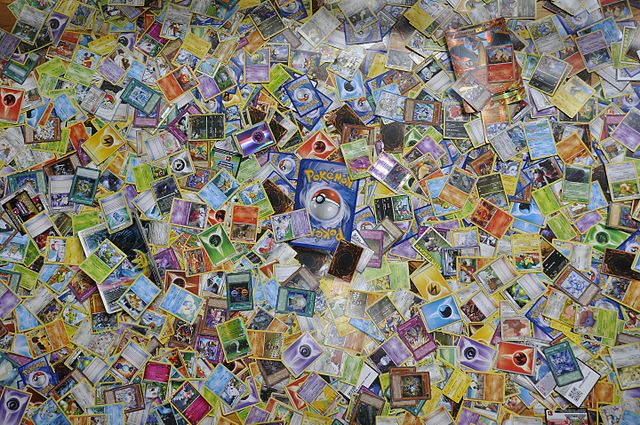
Featured photograph: Nabeel H, visitors entering the Pokémon National Championships, used unchanged under Creative Commons Attribution-ShareAlike 2.0. It illustrates the Pokémon community rather than either card being compared.
Conclusion
The best collecting decisions usually come from structure rather than urgency. When you combine clear comparisons, strong context, and a disciplined buying framework, you give yourself a better chance to build a collection with both enjoyment and staying power.