Answer-first summary
When comparing LeBron James with Topps Chrome, the real decision is whether you want the flexibility of the broader LeBron market or the sharper prestige, condition sensitivity, and focus of a specific 2003 Topps Chrome rookie-era lane.
The short answer
LeBron James and Topps Chrome are not truly equal categories. LeBron James is the player market. Topps Chrome is a focused card lane inside that market, especially when collectors mean the 2003 Topps Chrome LeBron James rookie-era card and its refractor parallels.
For most collectors, broad LeBron is better when the goal is flexibility. It gives you more budgets, more designs, more grades, more later-career cards, and more ways to build around the player without forcing the entire decision into one issue. Topps Chrome is better when the goal is focus. It gives collectors a recognized rookie-era target with strong hobby shorthand, a chrome finish, and meaningful condition sensitivity.
The cleaner answer is this: choose broad LeBron if you are still learning the market or want optionality. Choose Topps Chrome if you want a concentrated LeBron target and are ready to judge grade, centering, surface, sales comps, and seller quality carefully.
Why the comparison needs careful framing
The phrase "LeBron James vs Topps Chrome" can sound like a player is being compared with a brand. In collecting terms, that is exactly the point. LeBron is the broader collecting subject. Topps Chrome is a specific product lane that many collectors use as shorthand for premium modern basketball cards.
That framing matters because many buyers start with the player and jump straight to the most famous card type they can name. Sometimes that works. Other times, it compresses too many decisions into one purchase. A collector who wants a LeBron card still has to decide whether they want a flagship rookie, a Topps Chrome card, a refractor, an autograph, a later-career milestone card, a graded copy, or a lower-cost personal favorite.
The broad LeBron path gives more room for that sorting process. Topps Chrome gives a more decisive target. Neither is automatically smarter. The better fit depends on what the card is supposed to do in the collection.
For a wider map of the category before narrowing to Chrome, start with the LeBron James complete collector guide.
What collecting LeBron James broadly does better
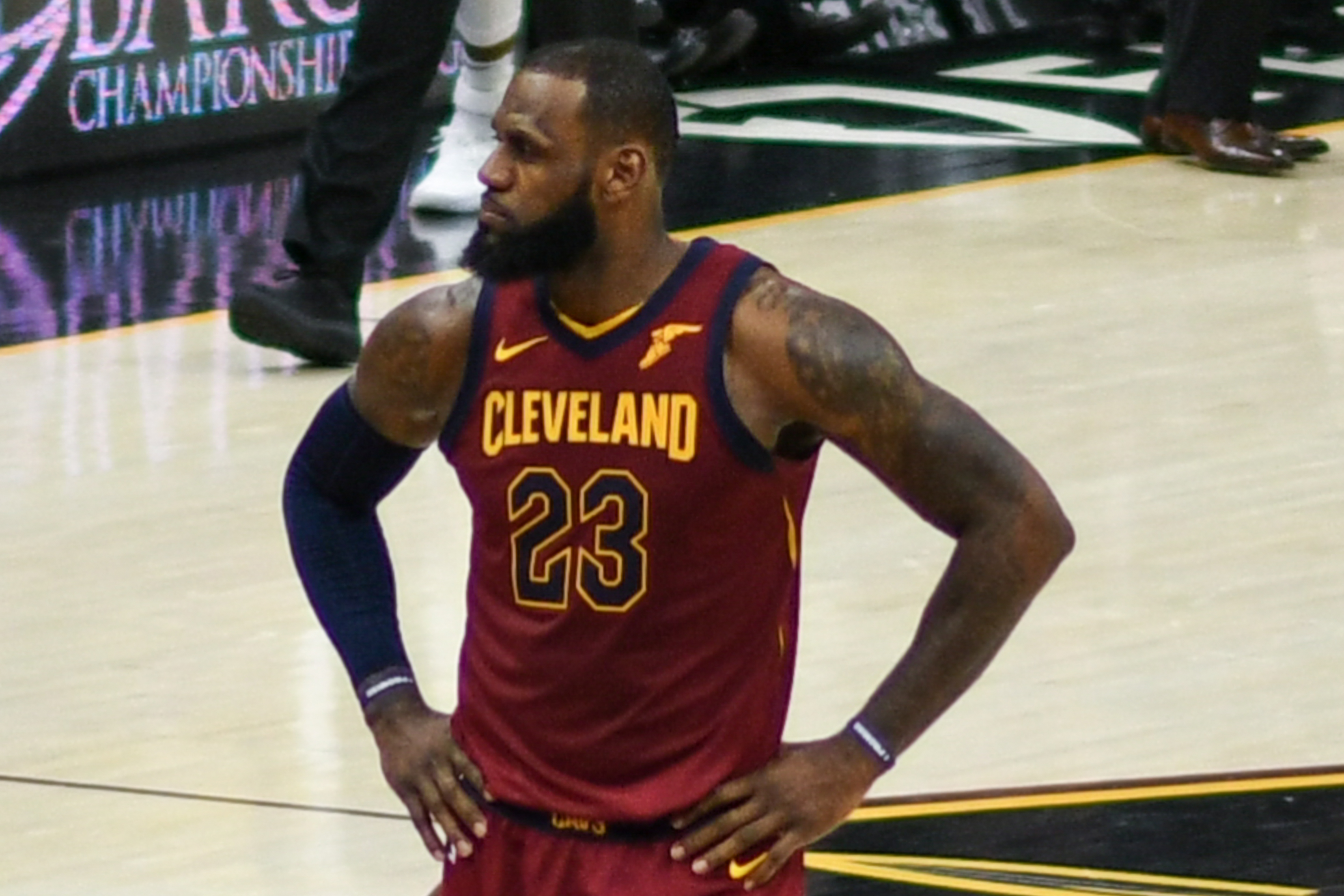
Collecting LeBron broadly means treating him as a full player category. That category includes 2003 rookies, Topps Chrome, Bowman Chrome, Topps paper, Upper Deck issues, inserts, autographs, parallels, graded cards, raw cards, Miami Heat-era cards, Cleveland return-era cards, Lakers cards, and later-career milestone pieces.
The advantage is range. A collector does not have to decide that one card is the only acceptable answer. You can buy a recognizable card for a modest budget, study the rookie market over time, compare graded examples, and eventually decide whether a more expensive Chrome copy makes sense.
Broad LeBron collecting may be better when a collector wants:
- several price points
- room to learn before buying a centerpiece
- more designs and eras to choose from
- flexibility between raw and graded cards
- a collection that tells a fuller player story
The risk is drift. A broad market can become a stack of unrelated purchases if the collector buys every card that looks interesting. LeBron's name is powerful, but not every LeBron card has the same collector depth. A broad strategy still needs discipline around card identity, condition, price, and role.
What Topps Chrome does better
Topps Chrome wins on clarity. PSA's set profile for 2003 Topps Chrome describes a 165-card base set plus an unnumbered checklist, with veterans first and rookies in the later numbers. The set mirrors the Topps base design but uses a chrome finish, and its rookie class includes LeBron James, Dwyane Wade, Carmelo Anthony, and Chris Bosh.
That context gives Topps Chrome a strong place in the LeBron conversation. It is not just another LeBron card. It is a recognizable rookie-era lane from a product line collectors already associate with premium modern basketball. When someone says "Topps Chrome LeBron," many basketball-card collectors immediately understand the general category.
Topps Chrome may be better when a collector wants:
- a focused LeBron rookie-era target
- stronger product recognition than many later cards
- a card where grade and eye appeal matter clearly
- a centerpiece rather than a broad sampling strategy
- a market lane with enough activity to study seriously
The risk is overconfidence. Because Topps Chrome is recognizable, buyers can treat it as automatically safe. It is not. Price, grade, surface, centering, refractor status, authenticity, and recent comparable sales still decide whether the exact copy is reasonable.
Condition sensitivity changes the decision
Topps Chrome is attractive partly because condition matters so much. Chrome cards can show surface lines, scratches, dullness, print issues, and centering problems in ways that are easy to notice under light. A card with the right name and product can still be less desirable if the copy looks weak for the assigned grade.
This is where the card grading complete collector guide becomes useful. The grade is part of the market language, but it should not replace visual judgment. Two copies in the same grade can look different. One may have stronger centering and cleaner surface. Another may technically share the label but look less balanced.
Broad LeBron cards can also be condition-sensitive, but the pressure is not always as concentrated. A lower-cost insert, later-career card, or raw copy may give collectors more room to enjoy the card without obsessing over every grade-band movement. Topps Chrome often asks for more precision because the market pays close attention to small differences.
Liquidity and price discovery
Liquidity is one of the strongest arguments for Topps Chrome. Recognized cards usually create more useful sales history, and useful sales history makes pricing less mysterious. A collector can compare the same card, same grade, same grading company, and similar eye appeal more easily than with many obscure LeBron issues.
Broad LeBron also has liquid lanes, but liquidity varies widely. A major rookie may be easy to benchmark. A niche insert, serial-numbered parallel, or later-career card may require more judgment. The broader the market, the more sorting work the buyer has to do.
That is the practical advantage of a focused Topps Chrome strategy. You can spend more time learning one card family instead of spreading attention across every LeBron release. If you study the base card, refractors, X-Fractors, Black Refractors, Gold Refractors, grade spreads, and common condition issues, the market becomes more readable.
The advantage of broad LeBron is adaptability. If Chrome prices feel stretched, you are not trapped. You can look at a different LeBron rookie, a graded flagship card, an insert with stronger personal appeal, or a later-era card that fits the budget better.
Budget fit and collector psychology
Budget often decides the answer before preference does. A collector with a smaller budget may get more satisfaction from a clean, understandable LeBron card outside Topps Chrome than from stretching into a compromised Chrome copy. Buying the weakest version of the most famous lane is not always better than buying a stronger card in a less expensive lane.
At higher budgets, Topps Chrome becomes more compelling because the collector can be selective. A patient buyer can wait for a copy with the right grade, eye appeal, and price. That is different from buying any Chrome copy simply because it is the card everyone recognizes.
Psychology matters too. Some collectors want the clear target. They like owning the card other collectors understand quickly. For them, Topps Chrome can reduce second-guessing. Other collectors enjoy building a broader player story across teams, designs, and eras. For them, one Chrome card may feel too narrow.
Neither mindset is wrong. Trouble begins when the collector says they want flexibility but spends everything on one grade-sensitive card, or says they want a centerpiece but keeps buying scattered alternatives. The purchase should match the actual goal.
How refractors change the comparison
Topps Chrome is not one simple option. The base card is the most common reference point, but refractors and numbered parallels can change the risk profile. PSA's 2003 Topps Chrome set profile notes several refractor types, including base Refractors, Black Refractors, X-Fractors, and Gold Refractors with different serial-number structures.
That is exciting for advanced collectors, but it also raises the standard for research. A refractor may have stronger scarcity and visual appeal, but it can also have thinner sales data. A single result may not tell the whole story. The buyer has to understand whether the price reflects true demand, a temporary bidding contest, better eye appeal, or a stronger grade.
For a newer collector, the base Topps Chrome LeBron may be easier to study before moving into rarer versions. For an advanced collector, the refractor lane can be more rewarding because it adds scarcity and visual identity. The higher the card moves up the scarcity ladder, the more important authentication, holder details, and seller trust become.
Authentication and seller risk
LeBron's importance makes authentication discipline essential. Famous-player cards attract vague listings, weak photos, altered expectations, and sometimes outright bad information. A careful buyer verifies the card number, set, parallel, grade, certification number, seller history, and whether the photos are strong enough to inspect the exact copy.
Topps Chrome adds its own checklist. Confirm whether the card is base or refractor. Check whether the listing language matches the card. Look for front and back images. Compare the serial-number claim if a numbered parallel is involved. Review the holder and certification details, and avoid listings where the photos are too poor to judge surface or centering.
For transaction-level safety steps, use the guide on how to buy LeBron James safely. If grading is central to the decision, the guide on how to buy card grading safely is also relevant.
When broad LeBron is the better choice
Broad LeBron is the better choice when the collector is still learning. It lets you compare many lanes without treating one purchase as the entire thesis. You can study how rookie cards differ from later cards, how graded copies compare with raw ones, how player demand interacts with product demand, and how different designs feel in hand.
It is also better when personal enjoyment matters more than prestige. A collector may love a Lakers-era card, a Cavaliers return card, an insert design, or a card tied to a specific memory. Those choices can be legitimate even if Topps Chrome is more famous.
Broad LeBron also helps with budget control. If a Topps Chrome copy requires too many compromises, a different LeBron card can be the cleaner decision. The goal is not to buy the card with the loudest market reputation. The goal is to buy a card whose role, price, and risk make sense.
When Topps Chrome is the better choice
Topps Chrome is the better choice when the collector wants focus. It is especially compelling for someone who wants a LeBron rookie-era card with clear hobby recognition and enough market activity to study seriously.
It can also be better when the collection needs an anchor. A strong Topps Chrome copy gives the LeBron portion of a collection a clear center. Other cards can then support it rather than compete with it.
The discipline bar should rise with the price. Before buying, compare recent sales, inspect the exact copy, understand grade differences, and decide whether the card deserves its premium. The more famous the card, the easier it is to rationalize paying too much.
A practical decision framework
Use five questions before choosing a direction:
- Do you want one LeBron centerpiece or a broader player collection?
- Is the Topps Chrome copy available to you strong enough for the price?
- Would another LeBron card give better condition, liquidity, or enjoyment?
- Are you comfortable evaluating chrome surface, centering, and grade spreads?
- If you had to sell or trade later, would the card be easy to explain?
If most answers point toward flexibility, broad LeBron is likely better. If most answers point toward a focused rookie-era target, Topps Chrome may deserve priority.
Bottom line
LeBron James is better for collectors who want range, flexibility, and a player collection that can evolve over time. Topps Chrome is better for collectors who want a concentrated LeBron rookie-era lane with clear recognition and condition-sensitive upside.
The smartest answer is not universal. A clean, fairly priced Topps Chrome copy can be a stronger choice than a scattered group of average LeBron cards. A well-chosen broader LeBron card can be better than an overpriced Chrome copy bought only for prestige. Let the exact card, not the category label, make the final case.
Conclusion
The best collecting decisions usually come from structure rather than urgency. When you combine clear comparisons, strong context, and a disciplined buying framework, you give yourself a better chance to build a collection with both enjoyment and staying power.