Answer-first summary
Create four separate records for identity, authenticity, condition, and suitability. Compare only matching transactions, document exclusions, and finish with a specific next action and a total-cost limit.
Evaluate a specific card, then decide what it means to you
Evaluate Charizard by identifying the exact release, documenting the individual card's condition, and comparing evidence from matching completed sales. Then ask whether that copy fits your collection and total budget. Confidence comes from knowing which questions you have answered and which remain uncertain, rather than from finding a persuasive headline price.
A childhood favorite, an attractive modern illustration, and an early holographic card can all be satisfying purchases. They solve different collecting goals. Before studying listings, write one sentence describing yours: completing a nostalgic display, collecting a particular artist, or finding a presentable example of a specific release. That sentence gives the rest of your evaluation a purpose.
Build an identity record before researching value
Record the set, collector number, language, printing, finish, and whether the card is raw or professionally graded. Save clear front and back images with this record. A seller's title is a lead to investigate, not a complete description. Similar artwork does not establish that two cards belong in the same comparison group.
For an early English Charizard, verify the claimed printing rather than treating every copy as interchangeable. For a modern release, the collector number and illustration are useful starting points. The Charizard collector guide provides broader context. If you cannot explain the listing's identity in your own words, price research is premature.
Separate four questions that sellers often combine
Identity asks which release you have. Authenticity asks whether the object is genuine. Condition asks what has happened to this particular copy. Suitability asks whether you want it at the proposed total cost. A strong answer to one does not resolve the others: a genuine card can be damaged, and an attractive photograph can conceal important uncertainty.
Use four separate lines in your notes and mark each as confirmed, provisional, or unresolved. Avoid a single overall score at this stage. Otherwise, appealing artwork or a convincing seller story can overwhelm a missing back photograph. An unresolved identity or authenticity question deserves attention before any negotiation about value.
Inspect condition in a repeatable order
Look at centering, corners, edges, and both surfaces in the same order each time. Record observations rather than only adjectives: whitening on one back edge, a visible line across the foil, or a corner that appears bent. Ask for angled photographs when flat lighting leaves the surface unclear. Sleeves and reflections can obscure defects.
PSA's grading standards describe factors used in its assessments, including centering and physical condition. Use that reference to make your vocabulary more precise, not to promise a grade from photographs. Write down what you cannot see as carefully as what you can. Missing evidence is not evidence of a clean surface.
Distinguish display appeal from grading expectations
Two copies with similar overall wear may look quite different in a binder. A small back-edge mark might matter less to you than a distracting scratch across the artwork. Decide which defects affect your own enjoyment. This makes a practical collector preference explicit without pretending it is a universal condition standard.
For a raw card, judge the copy as it is offered. Treat a seller's predicted grade as an unverified opinion. If the purchase only makes sense after receiving a particular grade, you are relying on an outcome you do not control. A presentable lower-condition card can suit a display goal without needing an imagined upgrade.
Check authenticity without damaging the card
Compare the exact release with reliable reference images, looking for unexplained differences in layout, lettering, symbols, and finish. Color alone is difficult to judge across cameras and lighting. A discrepancy should prompt a better photograph or an informed opinion; it should not automatically become a verdict based on one visual shortcut.
Pokémon Support identifies specialist card shops as a possible resource for assessing suspected counterfeits. Seek experienced inspection when the evidence exceeds your knowledge. Avoid destructive experiments. When transaction details also need review, use the safe Charizard buying checklist alongside this evaluation framework.
Read a graded listing as a description of one object
A graded card still requires a coherent identity record and photographs of the actual holder and card. Compare the label with the visible item, and use the grading company's own verification service where available. Record any mismatch, unclear holder damage, or missing view before deciding that the listing is adequately documented.
The grade is one part of the description, not a substitute for seeing the copy. Collectors can prefer different centering or surface appearance within the same grade. Compare graded cards within the same company's scale and exact release rather than assuming identical numbers from different companies imply identical assessments or market acceptance.
Construct a comparable-sales folder
Start with completed sales for the same release, language, printing, and grading status. Match the grade when comparing encapsulated copies. For raw cards, examine the sale photographs and disclosed wear rather than relying on a shared condition label. Save the date, venue, visible condition, sale format, and any terms you can confirm.
PSA's Charizard CardFacts page can be a starting reference for that specific catalog entry. It is not a valuation of every Charizard. Open the underlying evidence when available and check that it fits your item. A summary statistic cannot repair a comparison built from different releases.
Use a range and explain the exclusions
Several well-matched observations are more useful than one dramatic sale. Separate asking prices from completed transactions. Note whether a reported total includes a buyer's premium, shipping, or other charges. Where accepted-offer details are unavailable, describe the uncertainty rather than treating the visible figure as a verified final payment.
Build a working range from the strongest matches and keep a brief list of exclusions. A bundled lot, different language, unclear authenticity, or much cleaner copy may be unsuitable evidence. Do not remove a low result simply because it disappoints you. Explain exclusions consistently, and widen your uncertainty when few convincing comparisons remain.
Evaluate demand through observable activity
Recognition may help someone notice a listing, but it does not tell you how quickly your specific copy will sell. Look for repeated completed transactions in the relevant version and condition. Compare those observations with the available listings, while remembering that unsold listings do not reveal every private negotiation or eventual outcome.
Treat liquidity as a practical question: how much patience, effort, and price flexibility might a future sale require? Do not turn a familiar character into a guarantee. A specialist printing may appeal strongly to a smaller audience, while a more ordinary copy may be easier for buyers to understand. Neither observation establishes a future price direction.
Keep rarity claims separate from market conclusions
Ask what a seller means by rare: a particular release, an unusual feature, or few examples assigned a particular grade. These describe different things. If population information is relevant, record its source and date, and be precise about what is counted. Graded submissions are not an inventory of every surviving raw card.
A small recorded population does not tell you how many collectors want the item at the asking price. Conversely, a widely available card can still be personally desirable. Evaluate the evidence behind the scarcity claim and the evidence behind demand independently. Avoid paying for an impressive adjective that nobody has defined clearly enough to verify.
Compare Charizard with the alternatives your collection permits
Pikachu is a useful reference when your goal is a recognizable character display rather than Charizard specifically. Blastoise can fit a nostalgic starter theme. Compare the enjoyment, presentation, and total cost of those alternatives; do not use their sales as substitutes for Charizard comparables. Different characters and releases have different buyer groups.
Base Set Charizard suits a collector seeking that early artwork who is prepared to identify the printing and accept its condition trade-offs. A modern Charizard illustration may serve a different aesthetic goal. Write down why the particular version belongs in your collection. If the answer is only that another buyer called it essential, reconsider your selection criteria.
Set a total-cost ceiling before making an offer
Include the card price, delivery, applicable taxes or import charges, and any planned authentication or grading costs. Verify current charges for your situation instead of borrowing another collector's estimate. If you intend to grade, include the possibility that you will keep the card raw or receive a less desirable assessment.
Also record the defects you will accept and the unresolved questions you will not accept. This converts an attractive listing into a decision you can actually review. Your ceiling should follow your collecting budget and goal. Raising it because a countdown is ending does not improve the evidence or make the card a better fit.
Work through a hypothetical comparison
Suppose you are choosing between two raw copies of the same printing. One has a cleaner-looking front but incomplete back photographs; the other clearly shows mild back-edge wear and a presentable foil surface. The first is not automatically better. Its condition remains less certain, even if the seller describes it more enthusiastically.
Request the missing views, then compare each copy with sales showing similar defects. If the first seller declines, you can leave that option unresolved. If the second fits your display goal and total-cost limit, its documented wear may be acceptable. This example illustrates decision quality, not a claim that either card deserves a particular price or grade.
Choose a next action instead of forcing a verdict
Your notes should end with one of four actions: proceed within your ceiling, request specific evidence, seek specialist inspection, or pass. Attach a reason. “Need an angled foil photograph” is actionable; “something feels wrong” is harder to resolve. A pass can be sensible even when you cannot prove a problem.
Keep the identity record, condition observations, comparison folder, and decision together. Revisit the analysis if new evidence changes it. Confidence should remain open to correction. You do not need to win an argument about the card; you need a purchase decision that remains understandable after the excitement of the listing has faded.
Questions collectors ask
What should collectors know about Charizard?
Evaluate the exact version and individual copy before attaching meaning to the character's name. Identity, authenticity, documented condition, and matching transactions provide a practical foundation. Your collecting goal determines whether the resulting trade-offs are acceptable.
Why does Charizard matter in this market?
Its character recognition can shape collecting interest, but that interest must be tested against activity for the specific release. Recognition, scarcity claims, and ease of resale are separate questions. None replaces evidence from relevant transactions.
What mistakes should beginners avoid?
Avoid mixing releases in price comparisons, treating raw-card grading predictions as facts, and filling gaps in photographs with optimistic assumptions. Define acceptable defects and total cost in advance, and ask a focused question whenever essential evidence is missing.
Methodology and photograph credit
This guide uses collector-focused concepts, market context, and practical buying considerations, prioritizing broadly useful checks over specialist exceptions. Official references support identification, grading vocabulary, and authenticity resources. The comparison workflow and hypothetical example are editorial guidance; no live appraisal, numerical market forecast, or guaranteed grade is supplied.
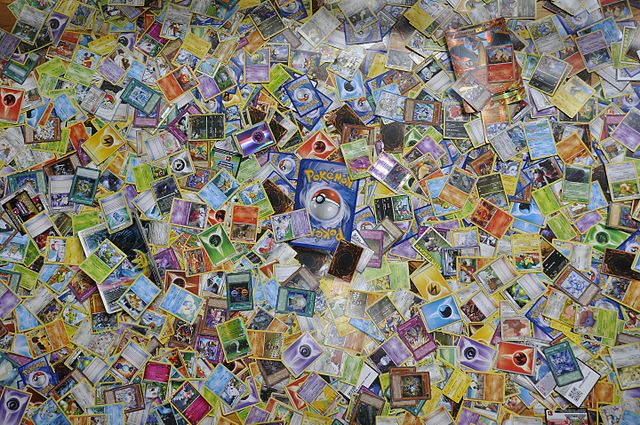
Featured photograph: Klapi, Pokémon card play at Pyrkon 2022, used unchanged under Creative Commons Attribution-ShareAlike 4.0. It illustrates the wider card hobby rather than a particular Charizard printing.
Conclusion
The best collecting decisions usually come from structure rather than urgency. When you combine clear comparisons, strong context, and a disciplined buying framework, you give yourself a better chance to build a collection with both enjoyment and staying power.