Answer-first summary
Charizard card premiums arise when character appeal meets demand for a particular printing, illustration, or condition. Identify the exact release, verify the copy, and test the claimed premium against matching completed sales; a famous name or rare label alone cannot establish value.
What makes a Charizard card valuable?
Charizard becomes valuable to collectors when demand for a particular card meets limited availability of copies buyers actually want. The character supplies recognition, but the set, printing, artwork, language, authenticity, and condition determine the object being valued. There is no single price for all Charizard cards, and the same name on two cards does not make them substitutes.
A useful question is: what would someone pay extra for on this exact copy? It might be a familiar childhood illustration, a specific early printing, a clean holographic surface, or artwork that completes a collection. Those motivations can overlap. This framework explains how to investigate a premium without assuming that popularity guarantees future resale proceeds.
Recognition opens the door; personal preferences decide the purchase
A recognizable character can make a card easy to understand at a glance. Collectors may associate Charizard with their first packs, a favorite game, or a binder they once owned. Those associations help explain interest, but their strength differs from person to person. Nostalgia is a reason someone might want a card, not a measurement of how many buyers will accept today's asking price.
Consider two hypothetical collectors. One wants the illustration remembered from childhood and accepts visible wear. Another collects recent illustrations and wants an undamaged example for display. Both like Charizard, yet they are shopping for different objects. A seller cannot establish the second card's premium merely by citing enthusiasm for the first.
Pikachu offers a useful comparison for broad character recognition; Blastoise can help frame a collection around starter evolutions. Neither comparison establishes a universal price ranking. Compare cards within a defined set and condition to explore character preference, then return to the precise Charizard release you intend to evaluate.
The exact printing creates the comparison group
English Base Set Charizard provides a concrete identification example. Collectors distinguish first-edition cards, unstamped shadowless cards, and unlimited cards. The first-edition stamp and the shadow beside the illustration frame help separate these versions. PSA's Base Set reference explains those distinctions. Its historical market discussion is not a current quotation.
A price attached to one printing cannot establish the value of another. Record the set, collector number, language, printing, and finish before collecting sales examples. Similar artwork is not proof of the same release. English printing terminology also should not be transferred automatically to Japanese or other language editions.
This identification work matters even when your goal is simply a nice binder card. It prevents paying for a feature the offered copy does not possess. If a listing says only “rare original Charizard,” ask for complete photographs and the details that translate that description into a verifiable identity.
Scarcity needs both a scope and interested buyers
“Rare” can describe several different things: a particular printing, a card's availability locally, or the difficulty of finding an attractive copy. These meanings are not interchangeable. A scarce version may have a small audience, while an easier-to-find version may be desirable to many collectors. Supply becomes relevant to value only in relation to demand.
Ask what the scarcity claim actually counts. Is it the entire release, one language, a particular grade, or copies currently listed on one marketplace? A small number of visible listings is a snapshot, not a production total. Cards may also sit in private collections without appearing for sale.
Grading population reports need similar care. They describe cards recorded by a grading service, not every surviving raw copy or every potential buyer. Submission choices affect what gets counted. Use population information as context alongside sale frequency and available alternatives, rather than converting a low number directly into a high valuation.
Condition changes which buyers a copy can satisfy
Two examples of the same printing can serve different collecting goals. A worn card might suit a nostalgic binder, while a collector seeking a polished display may require cleaner edges and a better surface. Condition matters because it changes the acceptable uses and buyer pool for that particular copy.
Inspect the front and back, corners, edges, centering, holographic area, and any visible crease or indentation. Ask for photographs with lighting that reveals surface wear. A protective sleeve or reflection can conceal a defect; an attractive front photograph alone does not settle condition. For a closer inspection routine, consult the complete Charizard collector guide.
PSA's grading standards describe how characteristics such as surface, corners, and centering relate to its grades. A seller's “mint” wording does not establish a professional result. If a card is raw, assess the visible copy rather than pricing it as though it already earned the highest grade.
A graded holder adds a service's assessment, but comparison still requires the same grading company, card identity, and grade. Look at the actual photographs as well. Buyers can have preferences between copies sharing a label, and a number on a holder cannot guarantee immediate resale.
Artwork and collecting goals can explain another kind of premium
Some buyers care most about a particular illustration, artist, era, or visual theme. Others want one representative Charizard rather than every release. These goals can make a card satisfying to own even when it is not the earliest printing or the highest grade available.
Separate the premium you personally accept from evidence of a wider market premium. You might willingly pay slightly more for a copy with an appearance you prefer. That choice does not mean a future buyer will value the same detail equally. Write down whether the extra cost buys better condition, a desired printing, or simply personal enjoyment.
Alternatives help clarify the decision. If two different releases satisfy your display goal, compare their complete purchase costs and acceptable condition. If only one exact edition completes your collection, substitutions may be less relevant. Either way, the value argument becomes clearer when it names the feature that matters.
Completed sales test the story behind the price
An asking price shows what a seller requests. A completed sale provides stronger evidence of what a buyer accepted in a particular transaction. Build a comparison group from the same release, language, finish, condition, and grading status. Keep raw cards separate from graded examples unless you are explicitly investigating that difference.
Look for several relevant sales rather than one headline result. Record the date, venue, currency, shipping, buyer fees where applicable, and whether the transaction is a single card or a bundle. If an accepted offer's actual amount is unavailable, mark that limitation instead of treating the visible original price as confirmed.
Imagine two copies of the same printing: one with a crease and one with clean-looking photographs. The higher sale does not automatically prove a rising market if the condition differs. Similarly, a signed example, unusual provenance, or exceptional presentation may not provide a fair baseline for an ordinary copy.
When the comparison group is thin, widen your uncertainty rather than silently widening the card identity. A few mismatched sales can create an impressive-looking average that says little about the offered card. A defensible conclusion may be that more evidence is needed before deciding whether the premium is reasonable.
Authenticity and transaction costs affect the practical value
A value comparison assumes the offered card is genuine and correctly described. If authenticity is unresolved, treat that as a question to settle before discussing a premium. Pokémon Support recommends consulting a specialist card shop about suspected counterfeit cards. Avoid destructive experiments on a collectible you want to preserve.
The purchase also has a total cost. Add shipping, applicable taxes, buyer fees, and any optional grading or insurance expense. A possible selling price is not the same as proceeds after selling fees and delivery. Two offers with identical headline prices can therefore have different practical appeal.
For transaction preparation, use the guide to buying Charizard safely. Clear photographs, an understandable return policy, and a reliable description help you assess the actual offer. They do not change the printing, but they can reduce uncertainty about what you are purchasing.
A short worksheet for evaluating a claimed premium
Before accepting a price, write five answers: what exact card is this, why do I want it, what limits its supply, which defects matter to my goal, and which completed sales support the comparison? Add the total purchase cost and one suitable alternative. If an answer depends entirely on the seller's adjective, gather more evidence.
For example, “I want this artwork for a binder” can justify choosing a sound, moderately worn copy instead of paying for condition you will not appreciate. “I want this precise printing” requires stronger identity checks. Neither goal requires predicting future prices. The point is to connect the purchase to something observable and useful to you.
Method and scope
This explanation treats value as a practical collecting concept. It prioritizes terminology and comparison habits that also help with other cards, while using Charizard examples to keep the reasoning concrete. The cited references support printing distinctions, grading terminology, and authenticity checks. Demand examples and the worksheet are an editorial framework, not a survey of buyers. No live price table, production estimate, or forecast is implied.
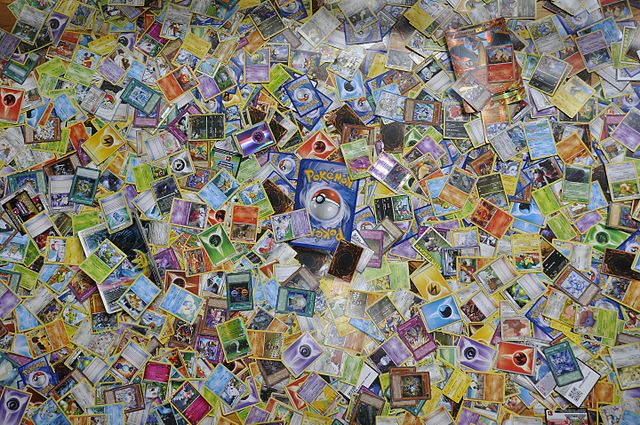
Featured photograph: Klapi, Pokémon card players at Pyrkon 2022, licensed under Creative Commons Attribution-ShareAlike 4.0. Original image retained without changes; the scene illustrates the wider card community rather than a specific Charizard printing.
Conclusion
The best collecting decisions usually come from structure rather than urgency. When you combine clear comparisons, strong context, and a disciplined buying framework, you give yourself a better chance to build a collection with both enjoyment and staying power.