Answer-first summary
Identify the Charizard printing and language first, then compare recent completed sales in matching condition. Grade, transaction costs, and sale frequency explain more about an individual purchase than a headline record for a different card.
Read the exact card before reading the market
Charizard does not have one price or one market. A collector considering an English Base Set holographic card, a recent illustrated release, or a Japanese promotional card is examining different supply, buyers, and comparable sales. The useful question is whether the exact printing and condition have enough recent evidence to support the asking price. A famous character can make a card recognizable without making every copy scarce or easy to sell.
This guide explains how to organize that evidence rather than offering a live price list. Sources were reviewed on October 21, 2026. Check current completed transactions before buying: a historical auction result describes one transaction, while an advertised price describes what a seller hopes to receive. Neither alone establishes today's market for your copy.
Separate the main collecting lanes
Base Set and the importance of printing
For English Base Set Charizard, distinguish the 1st Edition, unstamped Shadowless, and Unlimited printings before comparing grades. Similar artwork does not make them interchangeable. PSA maintains a dedicated Shadowless Charizard entry, separate from its linked 1st Edition entry. Confirm the label, edition details, language, and card number against photographs rather than relying on a seller's headline.
Base Set can suit collectors who want the historical artwork and a defined collecting target. Within that lane, a visibly played example and a high-grade slab answer different needs. A buyer who primarily wants the image may accept wear; a condition-focused collector may reject the same copy. Build separate comparison groups instead of averaging all Base Set results together.
Later releases and modern cards
Later Charizard cards should be identified by expansion, number, language, rarity or finish, and any promotional designation. A familiar illustration can appear in several products. Do not assume that a card resembling an older issue belongs to the original release, or that two cards sharing the character have comparable availability.
For modern collecting, distinguish enthusiasm for a new release from evidence of sustained transactions. Watch how many comparable copies actually sell and how many similar listings remain available. More submissions or additional product reaching buyers can change the supply picture. This is a reason to review evidence regularly, not a claim that a particular release will rise or fall.
Japanese and other language editions
Language is part of the card's identity. Japanese and English copies can differ in release history, numbering, finish, and the audience searching for them. Avoid importing an English premium into another language without matching transactions. If you prefer the Japanese artwork or typography, define that preference explicitly and research the corresponding issue on its own terms.
What demand tells you, and what it cannot
Recognition, nostalgia, illustration, set completion, and interest in condition can all motivate a purchase. Treat these as possible explanations for demand rather than measurements of its size. A lively discussion thread does not tell you how many buyers will pay your target price. Several completed sales for the same issue offer more useful evidence than broad claims about the character's popularity.
Compare Charizard with Pikachu to test whether you are reacting to character appeal or to one particular card. Use Blastoise as a reference when considering a coordinated Base Set collection. These are collecting alternatives, not interchangeable price benchmarks. Differences in artwork, condition, edition, and buyer preferences make a universal character-to-character price ratio unhelpful.
The complete Charizard collector guide provides broader background. Keep that background separate from the transaction evidence needed for an individual purchase: a persuasive collecting story cannot compensate for an incorrectly identified printing.
Build a clean comparable-sales worksheet
Start with a precise identity line: year, set, character, card number, language, printing, grading company, and grade, or a detailed raw-condition description. Then record sale date, venue, currency, visible condition, and whether shipping or a buyer's premium is included. Save the listing or lot reference so the comparison remains auditable after the original search disappears.
Use recent matching sales first. Expand the time window when exact matches are scarce, and label older evidence clearly. A near match may help explain a range, but it should not silently replace an exact match. Exclude bundles, ambiguous editions, and listings with insufficient images. Do not combine different grading companies as though their labels were identical.
Look at the middle of a usable group and inspect outliers individually. One unusually high sale might reflect exceptional eye appeal, a special provenance, or an unexplained bidding outcome. An unusually low result might reflect damage or poor presentation. If photographs and sale terms do not explain the difference, keep the uncertainty visible rather than inventing a story.
Distinguish auction totals, accepted offers, and asking prices. A crossed-out listing price may not reveal the actual accepted amount. Currency conversion also needs a date. Where a platform does not expose enough detail, record the limitation and avoid false precision. A sensible range supported by transparent evidence is more useful than a precise number built from mismatched records.
Condition changes the comparison
Examine the holographic area under changing light, the back edges, corners, centering, and any dents or creases. A straight-on photograph may hide surface wear. Request additional images when an important area is obscured by reflections or by the holder. Describe the defect before deciding how much it matters to your collecting goal.
PSA's grading standards provide the service's own framework for assessing condition. They are a reference for understanding its labels, not a promise of the grade a raw card will receive. Avoid pricing an ungraded copy as though the seller's suggested grade were already certified.
For a graded card, inspect both the actual card and the holder. Two examples with the same numerical grade may appeal differently because of visible centering or the location of wear. For a raw purchase, include grading, postage, insurance where applicable, and the possibility of an unexpected result in your total cost. Grading is an optional collecting choice; it does not automatically make a purchase economical.
Read population and liquidity carefully
A grading population describes submissions recorded by a service, not the complete number of surviving cards or the number currently offered for sale. It cannot tell you how many raw copies remain in binders. Changing counts may reflect submissions and administrative history as well as new supply reaching the market. Record the date and exact variety whenever using a population figure.
Liquidity asks a different question: how readily could a comparable copy find a buyer at a realistic price? Check transaction frequency, available listings, and the gap between asking prices and completed results. A recognizable card with a high asking price can still take time to sell. A rare variety with only occasional transactions can be difficult to benchmark even when collectors value it.
For a thinly traded card, choose a longer research window and accept a wider uncertainty range. Do not treat the absence of recent sales as evidence of either strength or weakness by itself. Consider whether you would still enjoy owning the card if the next comparable transaction takes months to appear.
A practical purchase review
Before paying, write down why this copy belongs in your collection: historical printing, favorite illustration, set completion, or condition target. Define the maximum total cost and the defects you will accept. This prevents a seller's urgency from changing the collecting goal halfway through the decision.
Verify the certification record for a slab through PSA's certification tool when relevant. PSA warns that a valid certification number alone does not establish the authenticity of the item offered online. Compare available record images and details with the actual listing, inspect the holder, and assess the seller's history and return terms. Resolve material inconsistencies before payment.
Keep payment protection, shipping arrangements, and the description in the transaction record. The Charizard buying guide expands these checks. If the edition remains uncertain or the seller cannot show the surface clearly, passing on that copy is a reasonable outcome. There is no requirement to buy simply because the character is popular.
Follow the market without chasing headlines
Maintain a small watchlist of clearly defined cards rather than tracking every Charizard release. Revisit the same comparison groups at regular intervals. Note changes in sale frequency, matching supply, and the relationship between raw and graded copies. Separate verified changes from explanations you cannot test.
A record auction can describe the upper end of one narrow segment without repricing an ordinary played copy. Likewise, discussion of a new product does not establish demand for every older issue. Ask which exact card the news concerns, what evidence connects it to your target, and whether actual transactions support the connection.
This approach favors a collection you can explain and document. It does not predict returns. Choose the printing and condition that fit your interests, use transactions to test the price, and preserve enough information to review the decision later.
Keep photographs, receipts, and your original condition notes together. When reviewing the purchase later, those records help distinguish a change in the wider market from a difference between individual copies.
Method and limits
We focused on collector demand, pricing context, and the factors that shape market attention over time. We treated market signals as context rather than predictions. This page is educational and does not provide financial advice. The linked PSA records support identification, grading context, and verification; they do not represent a comprehensive survey of every marketplace. No current price target or population total is asserted here.
Image credit
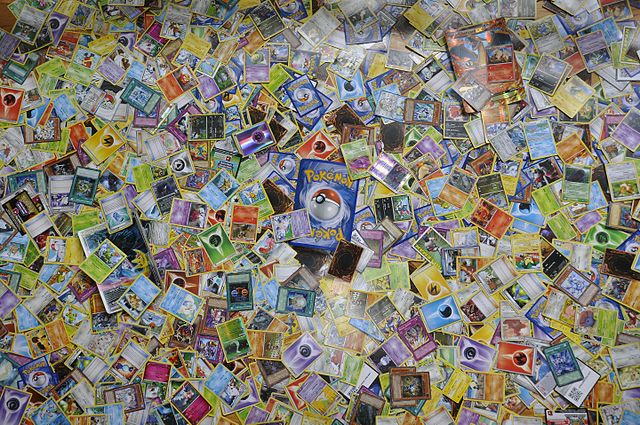
Photograph: Trading cards vending machine by OhanaUnited, reproduced unchanged under Creative Commons Attribution-ShareAlike 4.0. It shows Pokémon and One Piece card packs in Singapore and illustrates the wider card market, rather than a specific Charizard card.
Conclusion
The best collecting decisions usually come from structure rather than urgency. When you combine clear comparisons, strong context, and a disciplined buying framework, you give yourself a better chance to build a collection with both enjoyment and staying power.