Answer-first summary
The LeBron James market rewards collectors who separate player legacy from card-level quality, using recognition, condition, scarcity, liquidity, and realistic comparable sales to judge each opportunity.
What defines the LeBron James market?
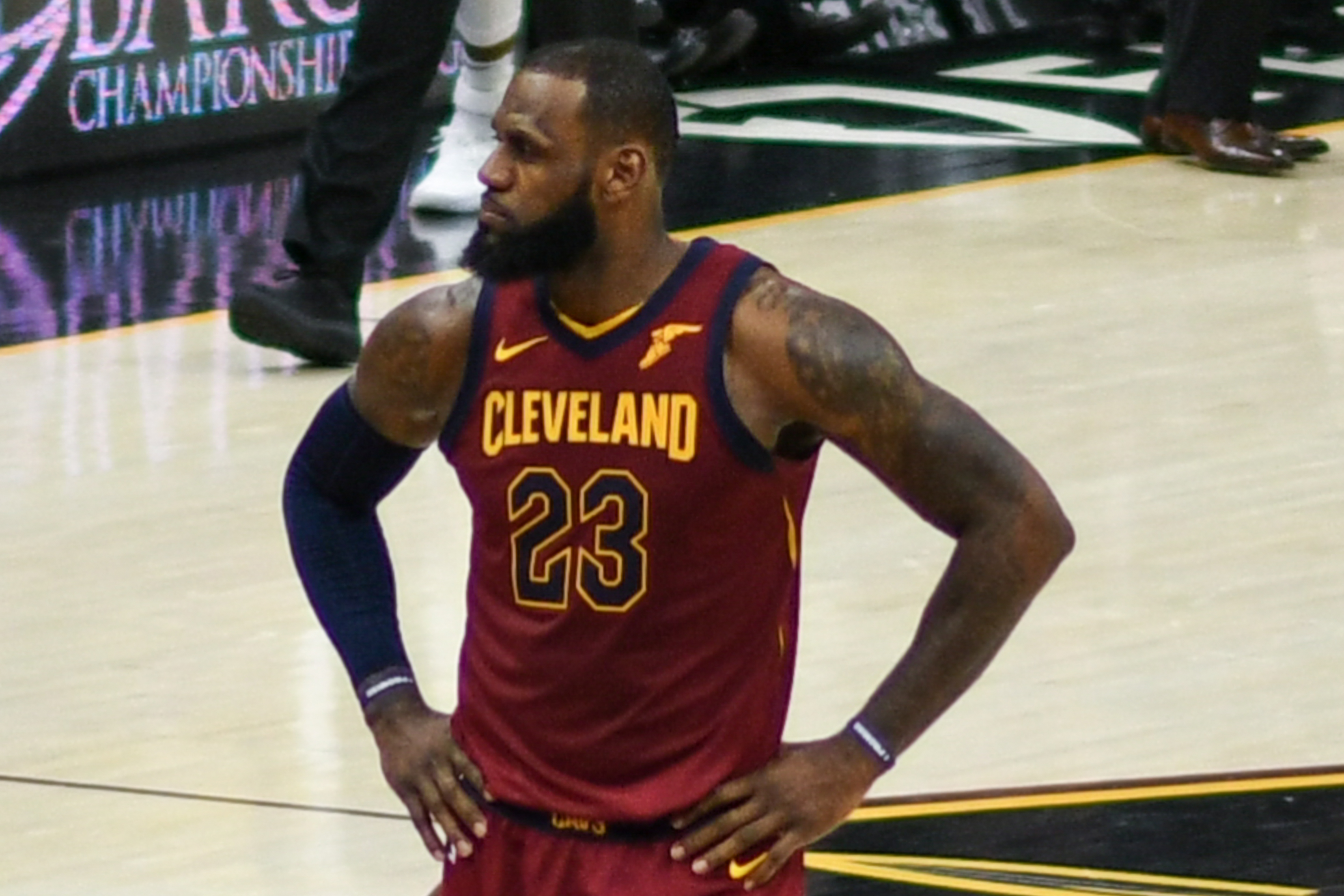
The LeBron James market is built on legacy, recognition, rookie-card importance, condition sensitivity, scarcity, and the depth of comparable sales. LeBron is one of the central names in modern basketball collecting, but the name alone does not make every card equally strong. The exact card, grade, eye appeal, seller quality, and buyer pool still decide whether a purchase is defensible.
Collectors should think of LeBron as several related markets rather than one simple category. There are mainstream 2003 rookies, Topps Chrome cards, refractors, Upper Deck issues, Exquisite cards, autographs, low-numbered parallels, later-career Lakers and Cavaliers cards, and lower-cost cards bought mainly for personal enjoyment. Each lane has different liquidity, price behavior, and research demands.
For a broader category map, start with the LeBron James complete collector guide. This market guide focuses on interpreting demand and pricing context without turning market signals into predictions.
Why recognition matters so much
Recognition is one of the strongest forces in the LeBron market. A card that many collectors immediately understand is usually easier to price, easier to compare, and easier to resell than a card that requires a long explanation. Recognition does not make a card automatically cheap, safe, or better, but it does give the buyer more market evidence to study.
Topps Chrome is a useful example. PSA's 2003 Topps Chrome set profile describes a basketball release with veterans, rookies, a chrome finish, and a rookie class that includes LeBron James, Dwyane Wade, Carmelo Anthony, and Chris Bosh. That combination gives the LeBron Topps Chrome lane a shared market language. Collectors know the product, the rookie-year context, and the importance of condition.
Less recognizable LeBron cards require more caution. Some are genuinely interesting. Some are scarce. Some have strong design appeal. But if the buyer pool is narrow, pricing becomes harder. A collector should demand better evidence before paying a premium for a card that only a small audience understands.
Condition and grading shape the market
Condition has a large effect on LeBron cards because much of the market is highly compared and heavily graded. Small differences in centering, surface, corners, edges, and overall eye appeal can change how buyers respond, especially on chrome-style cards or major rookies where grade spreads are part of the market story.
Grading helps create a shared language, but it does not remove judgment. Two cards in the same grade can look different. One may have cleaner surface and stronger centering, while another may have the same label but weaker presentation. A careful buyer looks at the holder, the certification, and the card inside the holder.
The card grading complete collector guide is useful background because LeBron cards often show both the value and limits of grading. The label can improve comparability, but the exact copy still matters.
Liquidity versus scarcity
Liquidity often matters more than theoretical scarcity. A scarce LeBron card with few buyers can be harder to price than a more common card with steady demand and frequent sales. Scarcity becomes more useful when it connects to recognition, condition quality, and a clear buyer pool.
This is especially important for collectors who may want flexibility later. A liquid card gives you more reference points and usually a clearer exit path. It does not guarantee a good outcome, but it makes the decision easier to monitor. An illiquid card can still be an excellent collector object, yet it requires a stronger reason for ownership and more patience.
One practical test is simple: can you find enough recent, relevant sales to build a believable range? If yes, the market is easier to read. If no, you are working with more uncertainty, and the purchase price should reflect that uncertainty.
Topps Chrome as a market anchor
Topps Chrome remains one of the easiest LeBron lanes to understand because it combines rookie-year relevance, product recognition, chrome finish, and condition sensitivity. PSA's card page for 2003 Topps Chrome LeBron James also gives collectors a central reference point for population, grade, and auction context.
That does not mean every collector needs Topps Chrome. It means the card helps explain how the market thinks. Strong LeBron cards often have several pillars at once: player importance, product recognition, visual identity, sales depth, and condition relevance. When those pillars overlap, buyers can compare more confidently.
The risk is overpaying for obviousness. Because Topps Chrome is so recognized, sellers can price aggressively and buyers can feel urgency. A famous card can still be a poor buy if the copy is weak, the photos are insufficient, or the asking price depends on optimistic assumptions.
Exquisite and the high-end LeBron lane
Upper Deck Exquisite sits in a different part of the market. PSA's Exquisite set profile describes an ultra high-end 2003 product with a small base structure, autographed jersey cards, and rookie autograph jersey cards. The LeBron card in that context is not simply a player card; it is tied to premium product history, scarcity, autograph and memorabilia appeal, and high-end basketball-card identity.
That makes Exquisite compelling for advanced collectors, but it also raises the standard for research. Thin sales data, patch quality, autograph condition, serial numbering, holder details, and provenance can all matter. A buyer cannot treat Exquisite like a basic LeBron card with a famous name.
The high-end lane can reward expertise. It can also punish casual buying. If a collector cannot explain why the exact Exquisite card is priced fairly, the safer move is often to keep studying.
Later-career cards and milestone demand
LeBron's market is not limited to 2003. Later-career cards can matter because his career has continued to produce milestones, team chapters, and collector memories. Cavaliers return cards, Lakers cards, record-related issues, and visually strong inserts can all have appeal.
The challenge is separating personal meaning from broad market depth. A later-career card may be enjoyable and worth owning, but it may not have the same liquidity as a major rookie or a recognized premium lane. That does not make it bad. It just means the buying standard should match the role.
If the card is for personal enjoyment, the collector can emphasize design, condition, and price comfort. If the card is meant to be a cornerstone, the bar should be higher: stronger recognition, clearer sales, and a buyer pool that extends beyond one narrow theme.
How to read current market signals
Collectors should treat market signals as context, not predictions. Recent sales, dealer asking prices, auction results, grading populations, and social attention can all help. None should be used alone. The better question is not "is LeBron going up?" It is "which exact segment is showing repeatable demand?"
Look for consistency. Are similar cards selling in a tight range, or is the market scattered? Are high-grade copies receiving a clear premium, or are buyers becoming more selective? Are refractors and numbered parallels supported by multiple sales, or only by isolated results? Those questions reveal more than broad statements about the LeBron market.
Also watch the spread between asking prices and completed sales. Unsold listings can show seller optimism, but completed sales show where buyers actually acted. Even completed sales need context, especially if the card is rare, unusually attractive, or sold in a competitive auction.
Buying discipline in a major-player market
LeBron's legacy can make collectors feel urgency. That is understandable, but urgency is rarely a good pricing tool. A strong buying process lets the collector care about the player while still making a clear decision.
Start with the role the card will play. Is it a cornerstone, a budget entry, a grade-focused copy, a visual favorite, or a niche experiment? Then judge the card against that role. A cornerstone should have stronger recognition and liquidity than a card bought mainly because it is fun to own.
Before buying, review condition, authenticity, comparable sales, seller reputation, and exit flexibility. The guide on how to buy LeBron James safely covers the transaction process, while how to buy card grading safely is useful when the holder drives much of the premium.
Where collectors often overpay
Collectors often overpay when they confuse love for LeBron with strength in the exact card. A major name can make many issues feel important, but the market still sorts by card identity, grade, condition, product recognition, and buyer demand.
Another common mistake is paying for scarcity without checking liquidity. A numbered card may be rare, but if few collectors recognize it, the asking price may not be supported by repeatable sales. Scarcity should invite research, not end it.
Collectors also overpay when they chase one visible sale instead of building a realistic range. A high result can reflect a special copy, strong timing, or two motivated bidders. It should be studied, not blindly copied.
A practical framework for the next purchase
Before buying a LeBron card, sort the decision into five questions:
- Is the card broadly recognized or niche?
- Are recent comparable sales deep enough to trust?
- Does the condition or grade justify the premium?
- Is the price sensible compared with nearby alternatives?
- Would the card still make sense if market attention cooled?
That final question is useful because it separates conviction from momentum. If the only reason to buy is the belief that someone else will quickly pay more, the decision is fragile. If the card still fits the collection at a fair price, the decision has a stronger foundation.
Bottom line
The LeBron James market rewards collectors who can balance legacy with evidence. Recognition matters. Condition matters. Liquidity matters. Scarcity matters only when it connects to real buyer demand.
The healthiest way to approach the category is to respect LeBron's place in basketball history without letting the name replace discipline. Study the exact card, compare realistic sales, understand grading trade-offs, and buy for a role you can explain. That approach will not make every decision easy, but it will make the market much clearer.
Conclusion
The best collecting decisions usually come from structure rather than urgency. When you combine clear comparisons, strong context, and a disciplined buying framework, you give yourself a better chance to build a collection with both enjoyment and staying power.