
Comparisons
Sports Card Storage vs Binders: Which Is Better for Collectors?
The right format depends less on a card's headline value than on how the collection is viewed, handled, expanded, transported, and recorded.
August 15, 2026Card storage
Tag
A topic archive for Protection, designed to connect related guides, explainers, and market coverage.
The right format depends less on a card's headline value than on how the collection is viewed, handled, expanded, transported, and recorded.

Top loaders are often the best rigid layer for selected raw cards, but they work best inside a measured system of sleeves, boxes, shelves, labels, and handling rules.
The right sports card storage is not one universal product. It is a measured chain of sleeves, holders, containers, shelving, environment, and inventory that makes each card safer to handle and easier to find.

A beginner storage system works best as a sequence of small compatible upgrades, not a single oversized order made before the collection has taken shape.
The safest-looking holder is not automatically the safest choice; protection depends on matching the card, risk, handling routine, outer container, and room.
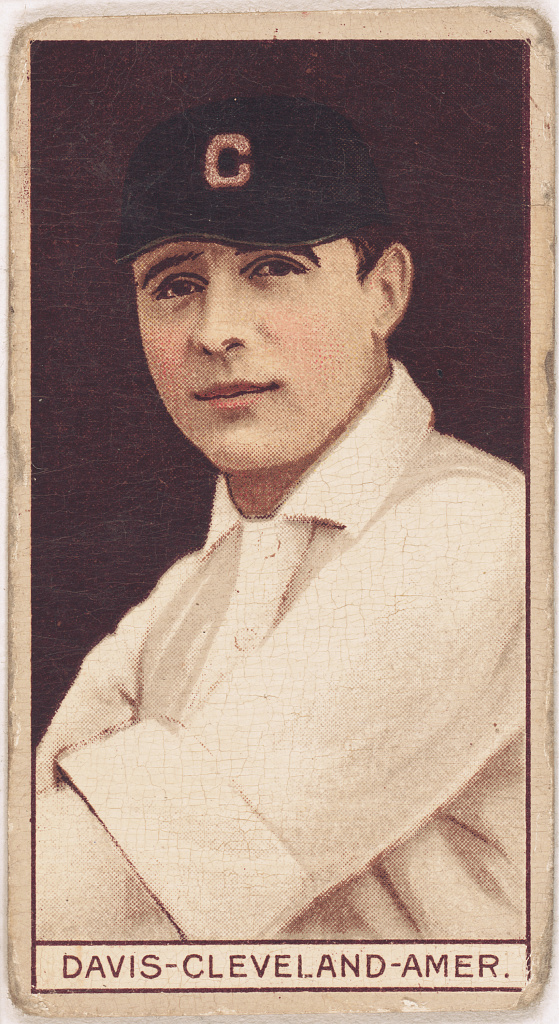
The costly storage mistake is often not buying too little protection; it is ordering an untested combination that does not fit the cards, workflow, outer boxes, or return window.

Start with fit, safe materials, and orderly boxes; add rigid holders, binders, portable cases, or a safe only when the collection creates a specific need.
Storage supports liquidity when it lets a collector locate, inspect, document, and pack the exact card quickly without exposing it to unnecessary handling.
The right beginner setup is not one universal product; it is a small group of compatible supplies chosen for the cards, the workflow, and the room.

The best sports card storage system is not one product. It is a layered setup chosen around card value, thickness, handling frequency, display needs, and environmental risk.
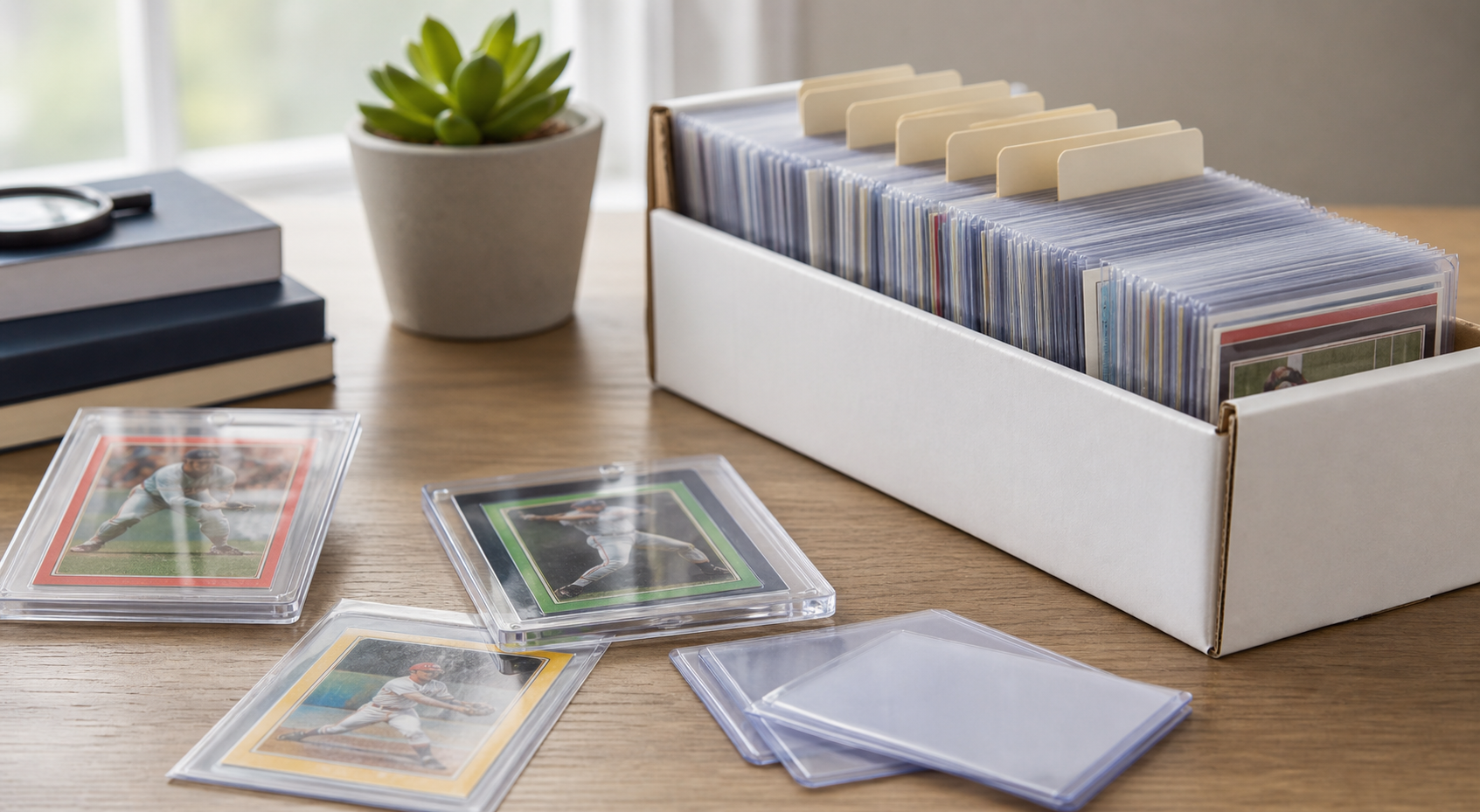
Sports card storage is valuable when it protects condition, reduces avoidable handling, keeps inventory searchable, and supports better future decisions.
Sports card storage is valuable when it protects condition, reduces handling, improves organization, and keeps future grading or selling choices open.
Sports card storage is valuable when it protects condition, lowers handling risk, improves organization, and gives collectors better evidence for future decisions.

Sports card storage is valuable when it protects condition and turns a pile of cards into a collection that can be found, reviewed, documented, graded, sold, or enjoyed with less friction.
Sports card storage is valuable when it protects condition, reduces handling risk, and makes the collection easier to review, document, grade, sell, or enjoy.
Sports card storage is valuable when it preserves condition, lowers handling risk, and makes the collection easier to review, grade, insure, sell, or enjoy.
Sports card storage matters because it protects condition, reduces handling risk, and keeps a collection organized enough to evaluate with confidence.
Sports card storage is easier to understand when you separate the card's role, the condition risk, and the level of protection the card actually needs.
Sports card storage is valuable when it protects the card, supports grading or resale decisions, and keeps the collection organized enough to use.
Sports card storage does not create value on its own, but it can preserve or weaken the condition signals that buyers and graders use.
Buying sports card storage safely means choosing supplies that fit the card, the collection, and the real risk instead of buying the most expensive holder by default.

Sports card storage is not just about buying holders. It is a system for protecting condition, reducing handling, and keeping the collection understandable.