
Comparisons
Vintage vs. Modern Pokemon Cards
Vintage and modern Pokemon cards reward different kinds of buyers, which is why the better choice depends more on goals than on era alone.
April 9, 2026Vintage Pokemon
Entity Cluster
Pokemon buyers often think in eras before they think in individual cards. That makes era-based navigation one of the most useful ways to structure coverage.
Era awareness gives collectors a better sense of nostalgia strength, print context, and where different kinds of buyers tend to focus.
This cluster answers
Connected Pages
This set combines evergreen guides, comparisons, and practical buyer education.
Vintage and modern Pokemon cards reward different kinds of buyers, which is why the better choice depends more on goals than on era alone.

Collectible value usually gets stronger when rarity, relevance, condition, and buyer depth reinforce each other instead of relying on one story alone.
Choose your collection boundaries before buying Eeveelution cards, then compare the exact printing, condition, and full purchase cost.

Base Set, modern releases, and Japanese editions need separate comparisons. Learn which transaction details matter before accepting an asking price.
The history of Charizard collecting is a sequence of different products and collecting goals. These documented milestones explain how to read that history without merging unrelated prices.
A 151 shortlist makes the Charizard-versus-Pikachu decision concrete: choose a collecting project before comparing individual copies and delivered costs.
Choose a Charizard centerpiece, a Blastoise favorite, or a purchase order for a matching pair using version-specific evidence and a fixed budget.
Shining Charizard is part of the Charizard family. Decide whether a flexible artwork-led purchase or this specific vintage release completes your collection.
Base Set is part of the Charizard family. Compare a specific original-era copy with a specific alternative, then check the evidence behind each purchase.
Choose original art, a trainer connection, an alternate appearance, or a modern scene, then identify the exact English release before comparing copies.
Compare four specific Charizard identities by the story they tell, the copy you can enjoy, and the records needed for years of ownership.
Use a total-cost budget to choose among ordinary modern Charizard, nostalgic artwork, a special illustration, and original-era ownership without assuming a fixed price ladder.
Compare ordinary modern Charizard, Celebrations, special illustration, and Base Set Unlimited before choosing the copy and format that suit your first collection.
Understand what collectors mean before choosing a card. This guide explains the layers of a Charizard identity and the questions that each collecting term can answer.
Two cards named Charizard can have very different collector appeal. Learn which details explain a premium and which claims still need evidence.
Turn a Charizard listing into a documented decision by separating identity, authenticity, condition, and personal suitability.
Build a clearer collecting brief and catch costly assumptions before they become purchases, submissions, or repeated upgrades.
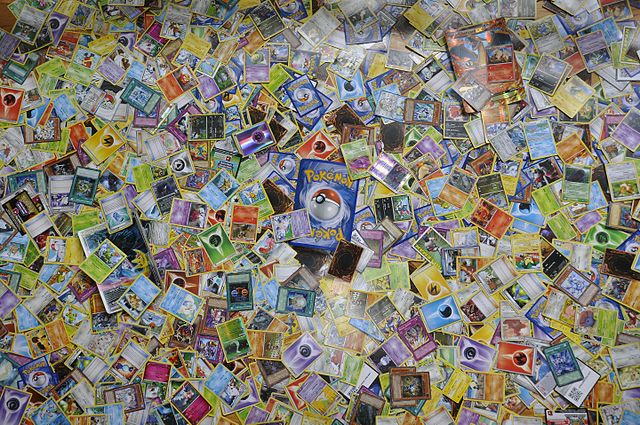
Learn how to organize condition comparisons, explain uncertainty, and distinguish a buyer's total cost from a seller's proceeds.
Make each stage of a Charizard purchase verifiable, with useful photographs, specific seller answers, matched sales, and a clear delivery record.
Build a Charizard collection with a clear scope, repeatable condition checks, and comparisons that keep different editions separate.
Glossary Entities
These entity pages help readers move from broad curiosity into precise market language.
pokemon cards
holo
A Pokemon card with a holographic foil treatment, especially common in vintage chase cards.
pokemon cards
illustration rare
A modern Pokemon rarity tier built around full-art or art-forward collector appeal.
pokemon cards
booster box
A sealed box of trading card packs associated with a specific set release.
cross category
grading spread
The price difference between the same collectible at different grades or condition levels.
FAQ
Short answers help readers understand the topic boundary quickly.
Because eras shape print style, rarity conventions, nostalgia, and the way the market remembers key cards.